Overview
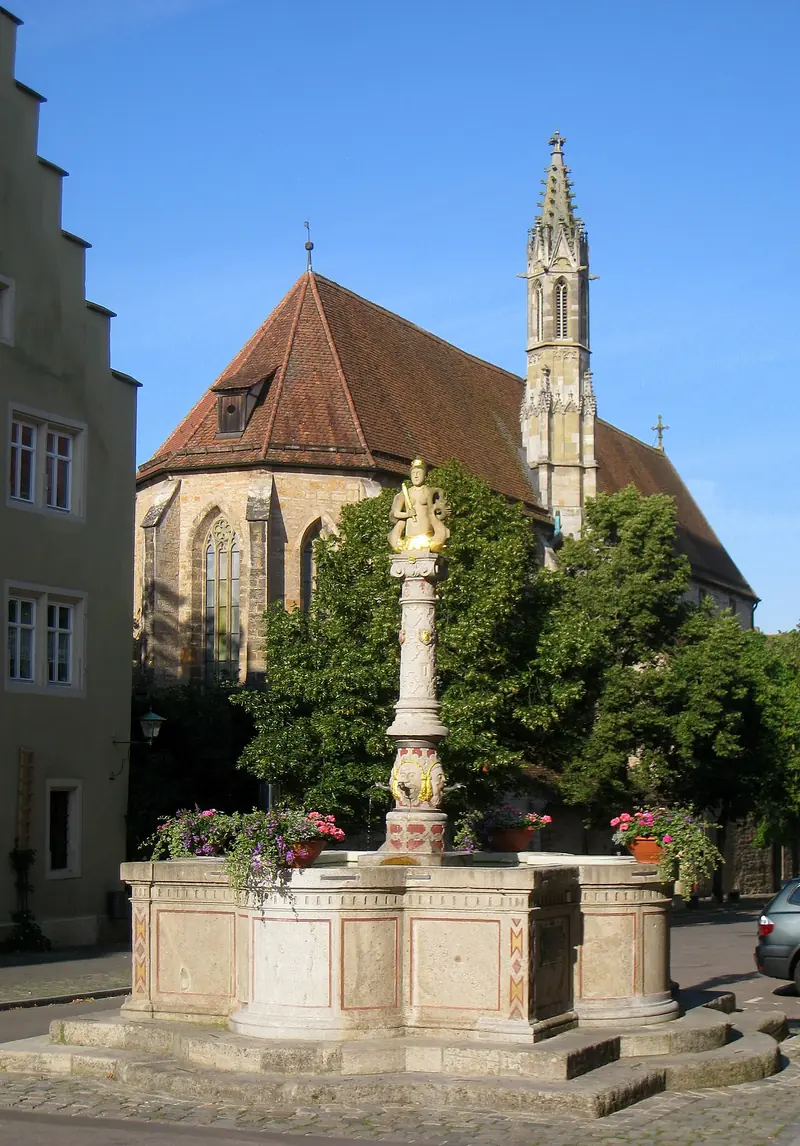
The Franciscan Abbey in Rothenburg ob der Tauber is an important religious site that reflects the rich spiritual and cultural heritage of Germany. Located in the charming town of Rothenburg ob der Tauber in Middle Franconia, this monastery offers visitors a glimpse into monastic life and the architectural styles that have shaped the region. Known for its serene ambiance and historical significance, the abbey invites exploration and contemplation, making it a must-visit for those interested in religious history and architecture.
Rothenburg ob der Tauber itself is famous for its well-preserved medieval buildings and cobblestone streets, drawing visitors from around the globe. The Franciscan Abbey enhances this experience, representing a period of spiritual devotion and community life that has persisted through centuries. As part of the town’s allure, the abbey stands as a reminder of the importance of faith in shaping cultural identities and architectural legacies.
With its historical backdrop and tranquil surroundings, the Franciscan Abbey promises a unique opportunity to reflect on the past while appreciating the artistic and architectural contributions of monastic communities in Germany. Whether you are a history enthusiast or a casual traveler, the abbey serves as a beacon of cultural exploration in Rothenburg ob der Tauber.
History and Significance
The Franciscan Abbey holds considerable historical significance within the context of Rothenburg ob der Tauber and the broader religious landscape of Germany. Established during a time when monasticism played a crucial role in community life, the abbey has been a site of spiritual devotion and social support for centuries. The Franciscans, known for their commitment to poverty and service, contributed to the local economy and provided educational opportunities for the townspeople, emphasizing the importance of faith as a foundation for community development.
While specific founding dates are not documented, the abbey’s existence reflects the growth of the Franciscan Order in the 13th century, which sought to spread the teachings of Christ through simple living and active engagement with the community. The role of the abbey as a spiritual center has evolved, adapting to the changing religious and cultural dynamics of the region over the years.
The abbey’s cultural importance is further underscored by its contributions to the arts and education. Many monasteries during this period were centers of learning, preserving texts and educating the clergy and laity alike. The Franciscan Abbey in Rothenburg ob der Tauber likely participated in these activities, providing a foundation for the intellectual and spiritual growth of the local populace.
Throughout its history, the abbey has witnessed the trials and triumphs of the region, serving as a refuge during times of conflict and a center of hope during periods of strife. Today, it remains an integral part of Rothenburg ob der Tauber’s identity, symbolizing the enduring legacy of monastic life and the role of faith in shaping community resilience.
Architecture and Features
The architectural style of the Franciscan Abbey reflects the typical characteristics of medieval monastic buildings, combining function with spiritual significance. As a monastery, the design likely includes essential features such as a cloister, chapel, and living quarters for the monks. The layout is generally organized to facilitate both communal and individual practices of devotion.
Visitors can expect to see elements characteristic of Gothic architecture, which may include pointed arches, ribbed vaults, and intricate stonework. These features not only enhance the aesthetic appeal of the abbey but also serve to create a contemplative atmosphere conducive to prayer and reflection. While specific architectural details are not provided, the overall design purposefully emphasizes simplicity and humility, aligning with Franciscan values.
The church building associated with the abbey is likely adorned with religious iconography and artwork, reflecting the rich tradition of Christian art that flourished in monastic settings. These artworks often depict biblical narratives, saints, and elements of nature, inviting contemplation and reverence.
In addition to its architectural beauty, the abbey’s surrounding grounds may feature gardens or courtyards that provide a peaceful setting for visitors. The natural elements combined with the man-made structures create an environment that encourages reflection and connection to the divine.
Overall, the Franciscan Abbey stands as a significant architectural and spiritual landmark in Rothenburg ob der Tauber, embodying the principles of monastic life and the artistic achievements of its era.
Visiting Information
Visiting the Franciscan Abbey offers a chance to engage with history in a meaningful way. To reach the abbey, travelers can utilize various modes of transportation available in Rothenburg ob der Tauber. The town is well-connected by public transport, and the abbey’s central location makes it easily accessible on foot from many accommodations and attractions.
While specific hours and ticket prices are not provided, it is advisable to check the official website for current information before planning your visit. This will ensure you have the latest details regarding opening hours and any potential entry fees.
Expect to spend a leisurely time at the abbey, allowing for exploration of both the interior and exterior spaces. Visitors are encouraged to take their time to appreciate the architectural details and the serene atmosphere of the grounds. A visit typically takes around one to two hours, depending on the level of interest in the historical and artistic aspects of the site.
The best times to visit the abbey are often during the shoulder seasons of spring and fall, when the weather is mild, and the crowds are generally smaller. This allows for a more intimate experience of the space, enhancing your opportunity for reflection and appreciation of the abbey’s significance.
Nearby Attractions
Rothenburg ob der Tauber is rich in attractions that complement a visit to the Franciscan Abbey. Here are a few noteworthy sites you may want to explore:
Rothenburg Town Hall: This historic building features a stunning tower offering panoramic views of the town. Its Renaissance architecture is a highlight of the town’s historic center.
St. Jacob’s Church (Jakobskirche): Renowned for its impressive altarpiece and beautiful stained glass windows, this church is a prime example of Gothic architecture in Rothenburg.
The Medieval Crime Museum: This unique museum showcases the history of crime and punishment in the medieval era, providing insights into the social issues of the time.
Plönlein: One of the most photographed spots in Rothenburg, this charming square features picturesque half-timbered houses and a stunning backdrop of the town’s walls.
Rothenburg’s Town Walls: Walking along the well-preserved medieval walls offers a unique perspective on the town’s history and architecture, with beautiful views of the surrounding countryside.
These nearby attractions enhance the overall experience of visiting Rothenburg ob der Tauber, providing a well-rounded exploration of the town’s history, culture, and architecture.
Insider Tips
To make the most of your visit to the Franciscan Abbey, consider the following insider tips:
Photography: The abbey presents a variety of photogenic opportunities, from its architectural details to the tranquil gardens. Early morning or late afternoon light can enhance your photographs, so plan your visit accordingly.
Crowd Avoidance: To enjoy a more peaceful experience, try to visit during the week or outside of peak tourist seasons. Early mornings are often less crowded, allowing for a more contemplative atmosphere.
Respect the Space: As a religious site, maintain a respectful demeanor while exploring the abbey. Keep noise levels down, and be mindful of any ongoing services or prayers.
Practical Information
When preparing for your visit to the Franciscan Abbey, consider the following practical information:
What to Bring: Comfortable walking shoes are recommended, as you will likely explore both the abbey and the surrounding area on foot. A camera is also advisable for capturing the beauty of the site.
Seasonal Considerations: If visiting during winter, be prepared for colder temperatures and potential snow. Check the weather forecast and dress in layers for comfort.
Amenities: While specific details on restrooms and cafes are not provided, Rothenburg ob der Tauber has several amenities available nearby. Plan accordingly, especially if you anticipate spending a significant amount of time in the area.
Frequently Asked Questions
How long should I spend visiting?
A visit to the Franciscan Abbey typically takes around one to two hours, depending on your interest in the site’s historical and architectural aspects.
Is photography allowed?
Photography is generally permitted, but be respectful of the space and any ongoing services or prayers.
Are there guided tours?
Check the official website for information about guided tours and any special events that may be available during your visit.
What’s the best time to visit?
The best times to visit are often during the shoulder seasons of spring and fall when the weather is mild and the crowds are smaller.
Is it wheelchair accessible?
Check the official website for specific accessibility information regarding the abbey and its facilities.
Can I buy tickets online?
For information regarding tickets and any online purchasing options, visit the official website to ensure you have the latest details.
Are there restrooms and cafes?
While specific details are not provided, Rothenburg ob der Tauber has various amenities available nearby. Plan accordingly for rest breaks or meals.
What should I wear?
Dress comfortably and in layers, especially if you are visiting during cooler months. Respectful attire is encouraged, given the abbey’s religious significance.