
Foundation Friedenstein Stiftung Gotha
Overview
The Foundation Friedenstein Stiftung Gotha serves as a cultural custodian for the historic Friedenstein Castle in Gotha, Germany. This foundation is dedicated to preserving the castle’s buildings and managing various projects that showcase its historical and artistic significance. Located in the Thuringia region, Friedenstein Castle is not only a captivating architectural site but also a vital part of Gotha’s rich cultural heritage. The foundation plays a crucial role in ensuring that future generations can appreciate the history and artistry embedded within the castle’s walls.
Visitors to the foundation can expect a blend of history, art, and culture, all housed within the castle’s magnificent structures. The foundation aims to foster engagement with the arts and history, making it a noteworthy destination for those interested in heritage tourism. With its commitment to education and preservation, the Foundation Friedenstein Stiftung Gotha offers a unique opportunity to explore the past while enjoying the beauty of the present.
History and Significance
Friedenstein Castle, associated with the foundation, has a long-standing historical background that reflects the artistic and cultural evolution of the region. The castle was constructed during a time when Gotha was emerging as a significant cultural hub. Its establishment marked a pivotal moment in the history of the area, becoming a center for various artistic and intellectual pursuits.
The foundation itself is instrumental in managing the castle’s extensive collections and exhibitions, which include art, historical artifacts, and other cultural treasures. It plays a vital role in facilitating research, education, and public engagement with the heritage of Gotha. The foundation’s efforts contribute not only to the preservation of the castle but also to the promotion of local history and culture.
Moreover, the significance of the Foundation Friedenstein Stiftung Gotha extends beyond mere preservation. It serves as a venue for cultural events, exhibitions, and educational programs, fostering a deeper understanding of the region’s heritage. This dedication to cultural enrichment positions the foundation as a crucial player in the ongoing narrative of Gotha’s historical legacy.
Architecture and Features
Friedenstein Castle is characterized by its impressive architecture, which reflects various styles and periods throughout its history. The castle’s design showcases elements from different architectural movements, creating a harmonious blend that captivates visitors.
Notable features of the castle include its grand facades, intricate detailing, and expansive grounds. The impressive towers and domed roofs create a striking silhouette against the sky, while the interior spaces house an array of artworks and historical artifacts. The foundation is committed to maintaining the integrity of these architectural elements, ensuring that they continue to tell the story of the castle’s past.
Additionally, the castle’s gardens and surrounding landscapes provide a tranquil setting for visitors to explore. These outdoor areas enhance the overall experience, allowing guests to appreciate the natural beauty that complements the architectural grandeur of Friedenstein Castle.
Visiting Information
Visiting the Foundation Friedenstein Stiftung Gotha offers a unique opportunity to explore a significant cultural site. It is advisable to check the official website for current information regarding hours and ticket prices, as these may vary throughout the year.
When planning a visit, consider the various transport options available in Gotha. The castle is accessible via public transportation, and there are parking facilities nearby for those traveling by car. Once on-site, visitors can expect to spend a few hours exploring the castle’s exhibitions and grounds.
The best times to visit generally align with the spring and summer months when the gardens are in full bloom, and the weather is more favorable for outdoor exploration. Seasonal events and exhibitions may also enhance the experience, making it worthwhile to check the foundation’s schedule ahead of time.
Nearby Attractions
While visiting the Foundation Friedenstein Stiftung Gotha, consider exploring these nearby attractions:
- Ehrenberg Palace: A beautiful historical site situated close to the castle, offering insight into the region’s aristocratic past.
- Gotha Town Museum: This museum provides a deeper understanding of Gotha’s history through its extensive collection of local artifacts and exhibitions.
- Duchess Anna Amalia Library: Located within a short distance, this library is renowned for its remarkable collection of literature and manuscripts.
- Park an der Orangerie: A lovely park ideal for leisurely walks, picnics, and enjoying nature, situated near the castle.
- St. Margaret’s Church: An architectural gem with a stunning interior, this church is an important landmark within Gotha.
Insider Tips
To make the most of your visit to the Foundation Friedenstein Stiftung Gotha, consider these insider tips:
- Photography: While photography is often allowed in many parts of the castle, be sure to check for signage indicating restrictions in certain areas.
- Crowd Avoidance: To enjoy a more peaceful experience, aim to visit during weekdays or early in the morning, especially during peak tourist seasons.
- Guided Tours: If available, consider joining a guided tour to gain deeper insights and context about the castle’s history and architecture.
Practical Information
When visiting the Foundation Friedenstein Stiftung Gotha, here are a few practical considerations:
- What to Bring: Comfortable walking shoes are recommended, as exploring the castle and its grounds may involve considerable walking. Don’t forget a camera if photography is permitted.
- Seasonal Considerations: Be prepared for varied weather conditions; layers are advisable, particularly in spring and autumn when temperatures can fluctuate.
Frequently Asked Questions
How long should I spend visiting?
A visit typically takes around 2-3 hours, allowing ample time to explore the exhibitions and grounds.
Is photography allowed?
Photography policies may vary; check for signage or inquire at the entrance for specific guidelines.
Are there guided tours?
Check the official website for information on guided tours, which may provide in-depth insights into the history and significance of the site.
What’s the best time to visit?
Spring and summer are ideal for visiting, as the gardens are particularly beautiful during these seasons.
Is it wheelchair accessible?
Accessibility options may vary; it is advisable to check the official website for specific information regarding wheelchair access.
Can I buy tickets online?
Check the official website for the latest updates on ticket purchasing options, including online availability.
Are there restrooms and cafes?
Facilities such as restrooms and cafes are typically available; check the official site for specific locations and offerings.
What should I wear?
Comfortable and weather-appropriate clothing is recommended, especially if you plan to explore the outdoor areas.
Visiting the Foundation Friedenstein Stiftung Gotha offers a chance to engage with the rich history and culture of this remarkable site. With its dedication to preservation and education, it stands as an important institution within the heritage landscape of Germany.
More in Saxony-Anhalt

Ägidienkurie (Naumburg)
📍 Saxony-Anhalt, Germany
The Ägidienkurie, a quaint chapel located in the heart of Naumburg, Germany, offers visitors a glimpse into the rich ecclesiastical heritage of the …
Al-Kholafa´a Moschee
📍 Saxony-Anhalt, Germany
The Al-Kholafa´a Moschee, located in Weimar, Germany, is a significant religious site that embodies the cultural diversity of this historic city. As a …

Alte Oper
📍 Saxony-Anhalt, Germany
The Alte Oper, a distinguished theatre building in Erfurt, Germany, serves as a vibrant hub for cultural events and artistic performances. This …

Altes Schloss Dornburg
📍 Saxony-Anhalt, Germany
Altes Schloss Dornburg, a magnificent palace located in the charming region of Dornburg-Camburg, Germany, is a site that draws visitors with its …

Anatomieturm Jena
📍 Saxony-Anhalt, Germany
The Anatomieturm Jena, a historic tower located in the city of Jena, Germany, is an intriguing remnant of the region’s architectural heritage. This …

Andreaskirche (Erfurt)
📍 Saxony-Anhalt, Germany
The Andreaskirche, an emblematic church building located in the heart of Erfurt, Germany, stands as a significant architectural and cultural landmark. …
More Foundations

Academy of the Konrad-Adenauer-Stiftung
📍 Berlin, Germany
The Academy of the Konrad-Adenauer-Stiftung, located in the heart of Berlin, is not just a foundation but a hub of intellectual discourse and …

Akademie Schloss Solitude
📍 Baden-Württemberg, Germany
Akademie Schloss Solitude is a distinguished foundation located in Stuttgart, Germany, that serves as a cultural and artistic haven for individuals …
Alerds-Stiftung
📍 Lower Saxony, Germany
Alerds-Stiftung, located in the historic city of Brunswick, Germany, represents a significant cultural and philanthropic institution dedicated to …

Alfred Wegener Institute for Polar and Marine Research
📍 Bremen, Germany
The Alfred Wegener Institute for Polar and Marine Research, located in Bremerhaven, Germany, stands as a cornerstone of scientific inquiry into the …

Bavarian Elite-Academy
📍 Bavaria, Germany
The Bavarian Elite-Academy, located in the vibrant city of Munich, Germany, is a foundation dedicated to fostering excellence in various fields of …
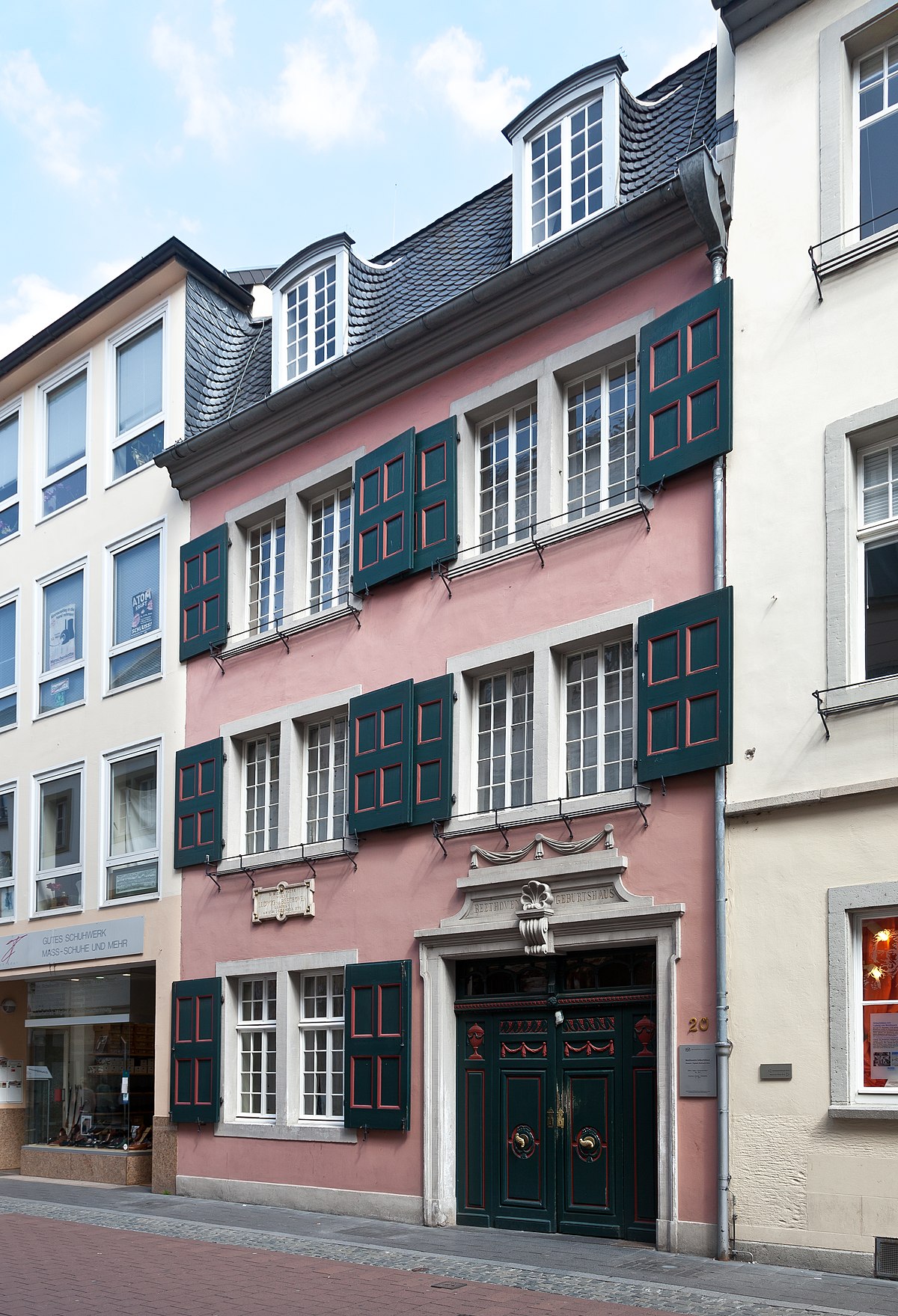
Beethoven House
📍 North Rhine-Westphalia, Germany
Beethoven House is a celebrated museum and the birthplace of Ludwig van Beethoven, one of the most influential composers in Western music history. …