Overview
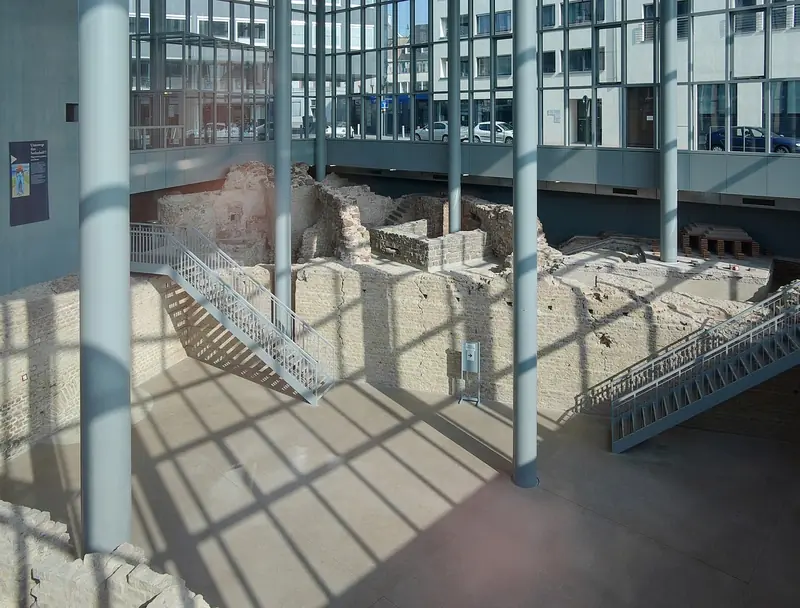
Imagine stepping into the remnants of a grand social hub where ancient Romans once gathered to relax and converse. The Forum baths in Trier, Germany, are among the most well-preserved Roman baths north of the Alps, offering a vivid glimpse into the leisure activities and architectural brilliance of the Roman Empire. Situated in a region steeped in history, the baths form part of a larger archaeological site that reflects the cultural significance of Roman civilization in this area.
Located in the heart of Trier, the Forum baths are surrounded by a landscape that echoes the essence of ancient times, with ruins and structures that hint at the city’s past glory. This archaeological site not only represents the technological advancements in bathhouse design but also serves as a testament to the social customs of the Romans, who valued hygiene and communal interaction.
Visitors to the Forum baths can expect to discover intricate mosaics, impressive architectural elements, and the layout of the baths themselves, all of which tell stories of daily life in Roman times. The site promises an engaging experience for those interested in history, architecture, and the vibrant culture of ancient Rome.
History and Significance
The Forum baths in Trier hold a significant place in Roman history, reflecting the empire’s reach and influence in its northern territories. As one of the key cities in Roman Gaul, Trier became a focal point for Roman architecture and urban planning. The baths, constructed during this period, served not only as a place for bathing but also as a social center where citizens gathered to unwind and engage in conversation.
Over centuries, the Forum baths underwent various transformations, adapting to the needs of the community while preserving their essential function. The site is a prime example of Roman engineering, showcasing advanced techniques in heating and water management that were vital for the operation of such large-scale public baths. The intricate heating systems, known as hypocausts, allowed for warm floors and heated pools, enhancing the overall bathing experience.
The cultural importance of the Forum baths extends beyond their architectural features. They symbolize the Roman ethos of public life and community, where social status and citizenship were expressed through participation in communal activities. The baths also reflect the Romans’ understanding of hygiene and wellness, emphasizing the necessity of bathing as part of daily life.
As one of the best-preserved Roman baths in Europe, the Forum baths continue to draw attention from historians, archaeologists, and tourists alike. Their preservation not only allows for educational opportunities but also inspires respect for the advanced civilization that once thrived in this region.
Architecture and Features
The Forum baths are a remarkable example of Roman architectural ingenuity, characterized by their large scale and elaborate design. Visitors can observe various sections of the baths, including the frigidarium (cold room), tepidarium (warm room), and caldarium (hot room), each serving a specific purpose in the bathing process. The layout of the baths reflects the Roman emphasis on functionality and aesthetics, with each area designed to provide a distinct experience.
One of the most visually striking features of the Forum baths is the intricate mosaics that adorn the floors, showcasing elaborate patterns and designs that highlight the artistic talent of the period. These mosaics not only serve a decorative purpose but also offer insights into the cultural influences that shaped Roman art.
The structural elements of the baths include towering columns and expansive vaulted ceilings, which add to the grandeur of the site. The use of arches and domes exemplifies Roman engineering prowess, allowing for spacious interiors filled with light. Visitors should take note of the remnants of the heating system, which illustrate the sophistication of Roman technology in maintaining comfortable temperatures within the baths.
Overall, the architectural features of the Forum baths provide a fascinating glimpse into the past, revealing the importance placed on both utility and beauty in Roman public spaces.
Visiting Information
To visit the Forum baths, travelers can utilize various transportation options available in the region, including local buses and walking paths that connect to the site. The baths are conveniently situated for those exploring Trier, making them a must-see for anyone interested in Roman history and architecture.
Hours: Check the official website for current opening hours.
Prices: Visit the official website for current admission prices.
As you explore the Forum baths, expect a captivating experience as you walk through the remnants of this ancient facility. The site is typically suitable for a visit of 1-2 hours, allowing ample time to absorb the history and marvel at the architectural details.
For the best experience, consider visiting in the morning when crowds are fewer, or during the spring and fall when the weather is more temperate. Accessibility information may vary, so it’s advisable to check for details if you have specific requirements.
Nearby Attractions
While visiting the Forum baths, consider exploring other notable attractions in the nearby area:
Trier Cathedral (Dom St. Peter): This impressive cathedral showcases a blend of architectural styles and houses significant relics. It stands as one of the oldest cathedrals in Germany, reflecting the city’s religious heritage.
Porta Nigra: As the best-preserved Roman city gate in Germany, the Porta Nigra is a UNESCO World Heritage Site. Its monumental structure offers insights into Roman fortification and urban planning.
Basilica of Constantine: This ancient basilica, once used as an imperial throne room, features stunning architecture and is one of the largest surviving Roman buildings.
Amphitheater: The remnants of the ancient amphitheater offer a glimpse into Roman entertainment, where gladiatorial contests and other events took place.
Karl Marx House: Birthplace of the philosopher Karl Marx, this museum provides insight into his life and the impact of his ideas on modern society.
Insider Tips
For the best photographs, visit the Forum baths early in the morning when the soft light enhances the intricate details of the mosaics and architecture. Look for lesser-known features, such as the remnants of the hypocaust heating system, which illustrate Roman innovation.
To avoid crowds, aim for weekdays or the shoulder seasons of spring and fall. Engaging with local guides can add depth to your understanding of the site, as they often share stories and insights not found in guidebooks.
Lastly, wear comfortable shoes, as you’ll want to explore the various rooms and pathways at your own pace.
Practical Information
When planning your visit to the Forum baths, be sure to bring along essentials such as water and a camera to capture the stunning mosaics and architecture. It’s advisable to check the weather forecast ahead of time, especially if visiting during the winter months, as conditions can affect your experience.
Be prepared for walking, as the site may require navigating uneven surfaces. Seasonal considerations also come into play; spring and fall typically offer pleasant weather, while summer can lead to larger crowds.
Frequently Asked Questions
How long should I spend visiting?
You should plan for about 1-2 hours to fully appreciate the Forum baths, allowing time to explore the various rooms and soak in the historical context.
Is photography allowed inside?
Yes, photography is generally allowed inside the Forum baths, but be sure to respect any posted signs or guidelines.
Are there guided tours available?
While specific details aren’t provided, check the official website or inquire locally for information on guided tours that may enhance your visit.
What’s the best time of day to visit?
The best time to visit is in the morning when crowds are typically smaller, creating a more intimate experience with the site.
Is the site wheelchair accessible?
For accessibility details, it’s best to check the official website or contact the site directly for the latest information.
Can I buy tickets online?
Ticket purchasing options may vary; visit the official website for current admission prices and to see if online ticketing is available.
Are there facilities like restrooms and cafes?
Facilities may be limited; check the official website for information on available amenities during your visit.
What should I wear when visiting?
Wear comfortable clothing and shoes suitable for walking, as you may navigate uneven surfaces during your exploration of the baths.
As you prepare for your visit to the Forum baths, embrace the opportunity to connect with the past and appreciate the enduring legacy of Roman culture in Trier.



