Forschungsinstitut für Denkmalpflege und Archäometrie
Overview
In the heart of Potsdam, Germany, the Forschungsinstitut für Denkmalpflege und Archäometrie serves as a vital hub for the preservation of cultural heritage. This cultural institution focuses on the research and documentation of historical artifacts and structures, playing a crucial role in the study and conservation of monuments. With its commitment to advancing knowledge in the fields of heritage preservation and archaeometry, the institute not only safeguards the past but also informs future generations about the significance of cultural heritage.
Potsdam, known for its stunning palaces and gardens, is a city steeped in history and culture, making the Forschungsinstitut an essential stop for those interested in understanding the complexities of heritage preservation. Visitors will find that the institute provides a unique perspective on how historical research can influence both conservation practices and public engagement with cultural sites.
Whether you are a scholar, a student, or simply someone with a passion for history, the Forschungsinstitut für Denkmalpflege und Archäometrie promises an enlightening experience, revealing the intricate relationship between past and present.
History and Significance
The Forschungsinstitut für Denkmalpflege und Archäometrie, while relatively modern in its establishment, embodies the growing recognition of the importance of cultural heritage and preservation efforts in Germany. As a response to the challenges faced by historical sites, particularly those impacted by environmental factors and urban development, the institute serves a crucial function in the preservation landscape.
Cultural institutions like this one are instrumental in fostering a deeper understanding of the methods used in heritage conservation. They engage in research that spans various disciplines, including archaeology, art history, and conservation science, highlighting the interdisciplinary nature of heritage studies. Through its initiatives, the Forschungsinstitut emphasizes the need for systematic documentation and analysis of historical artifacts and structures, ensuring that knowledge is not only preserved but also shared with the wider public.
The institute also plays a significant role in training professionals in the field of heritage conservation. By providing educational resources and opportunities for collaboration, it contributes to the development of best practices in the preservation of monuments and archaeological sites. This commitment to education is vital for sustaining the future of cultural heritage management, as it equips the next generation with the necessary tools to tackle contemporary challenges in the field.
In the context of Potsdam, known for its remarkable architectural heritage, the work carried out at the Forschungsinstitut becomes even more pertinent. The institute’s efforts help maintain the integrity of the city’s historical sites, ensuring that they continue to be appreciated by both locals and visitors alike.
Architecture and Features
The Forschungsinstitut für Denkmalpflege und Archäometrie is situated in an area that complements its mission, characterized by its proximity to various historical landmarks. While specific details about the architectural style of the institution are not mentioned, it typically reflects the functional design typical of cultural institutions, prioritizing accessibility and the facilitation of research activities.
Internally, the institute is likely to include various facilities conducive to research, such as laboratories for archaeometry, libraries housing extensive archives, and spaces for public engagement and educational activities. The layout is designed to foster collaboration among researchers and to accommodate workshops and seminars that delve into the intricacies of heritage preservation.
While the exterior may not feature grandiose architecture, the emphasis lies on the functionality of the building, providing an environment where cultural heritage can be studied, preserved, and promoted. This focus aligns with the institute’s broader mission of enhancing public understanding of archaeological and historical significance.
Visiting Information
Potsdam is well-connected, making it relatively easy to reach the Forschungsinstitut für Denkmalpflege und Archäometrie. Public transport options include local buses and trams that service the area. For those arriving by car, parking may be available nearby, although checking the official website for specific details on parking and accessibility is advisable.
When planning a visit, it’s essential to check the official website for current information regarding opening hours and any potential admission fees. The amount of time you might want to spend here can vary, but a visit typically requires a few hours to fully appreciate the offerings and engage with the materials available.
The best times to visit would likely coincide with the institute’s special events or exhibitions, which can provide deeper insights into ongoing research and preservation efforts. Engaging with staff during these times can significantly enhance the visitor experience, fostering a dialogue about the importance of cultural heritage.
Nearby Attractions
Sanssouci Palace: A UNESCO World Heritage site, this stunning palace is a must-see, known for its beautiful gardens and historical significance.
Orangerie Palace: Another remarkable structure in Potsdam, offering an impressive collection of art and architecture.
Neuer Garten: A landscaped park featuring beautiful walking paths, perfect for leisurely strolls amidst nature and history.
Cecilienhof Palace: Famous for hosting the Potsdam Conference, this palace is steeped in modern history and offers fascinating tours.
Potsdam’s Dutch Quarter: A charming area with unique architecture and quaint shops, providing a lively atmosphere for visitors.
Insider Tips
For photography enthusiasts, the best light for capturing the exterior of the Forschungsinstitut is during the early morning or late afternoon. While the institute itself may have restrictions on photography inside, the surrounding areas in Potsdam provide ample opportunity for stunning shots of historical architecture.
To avoid larger crowds, consider visiting on weekdays, particularly during the morning hours. Engaging with staff early in the day can also provide a more intimate experience and insights into the ongoing work at the institute.
Practical Information
When preparing for your visit to the Forschungsinstitut für Denkmalpflege und Archäometrie, consider bringing along a notebook for jotting down thoughts or insights, especially if you are a student or researcher. Comfortable walking shoes are advisable, as exploring the surrounding areas may involve some walking.
Depending on the time of year, be prepared for varying weather conditions. In warmer months, light clothing is recommended, while cooler seasons may require layering. Always check the official website for any seasonal events or changes in visiting hours.
Frequently Asked Questions
How long should I spend visiting?
A visit typically requires a few hours to fully appreciate the exhibits and engage with the resources available.
Is photography allowed?
Photography policies may vary, so it’s advisable to check with staff upon arrival regarding any restrictions.
Are there guided tours?
Check the official website for information about guided tours and any special events that may offer deeper insights.
What’s the best time to visit?
Weekdays, particularly in the morning, are often less crowded and can provide a more personalized experience.
Is it wheelchair accessible?
For specific accessibility information, check the official website or contact the institute directly.
Can I buy tickets online?
Check the official website to find out if online ticket purchases are available and to confirm current admission details.
Are there restrooms and cafes?
Facilities such as restrooms may be available on-site; however, check the official website for confirmation and additional amenities.
What should I wear?
Comfortable clothing and shoes are recommended, particularly if you plan to explore the surrounding areas of Potsdam.
More in Brandenburg
Agnetenkloster
📍 Brandenburg, Germany
Agnetenkloster, a former monastery located in the heart of Magdeburg, Germany, invites visitors to explore its serene ambiance and historical …

Agroneum
📍 Brandenburg, Germany
Agroneum is a museum located in the serene landscape of Alt Schwerin, Germany. This establishment serves as a vibrant hub for those interested in the …

Alexander Nevsky Memorial Church
📍 Brandenburg, Germany
The Alexander Nevsky Memorial Church in Potsdam, Germany, offers visitors a unique glimpse into the city’s cultural and religious heritage. This …
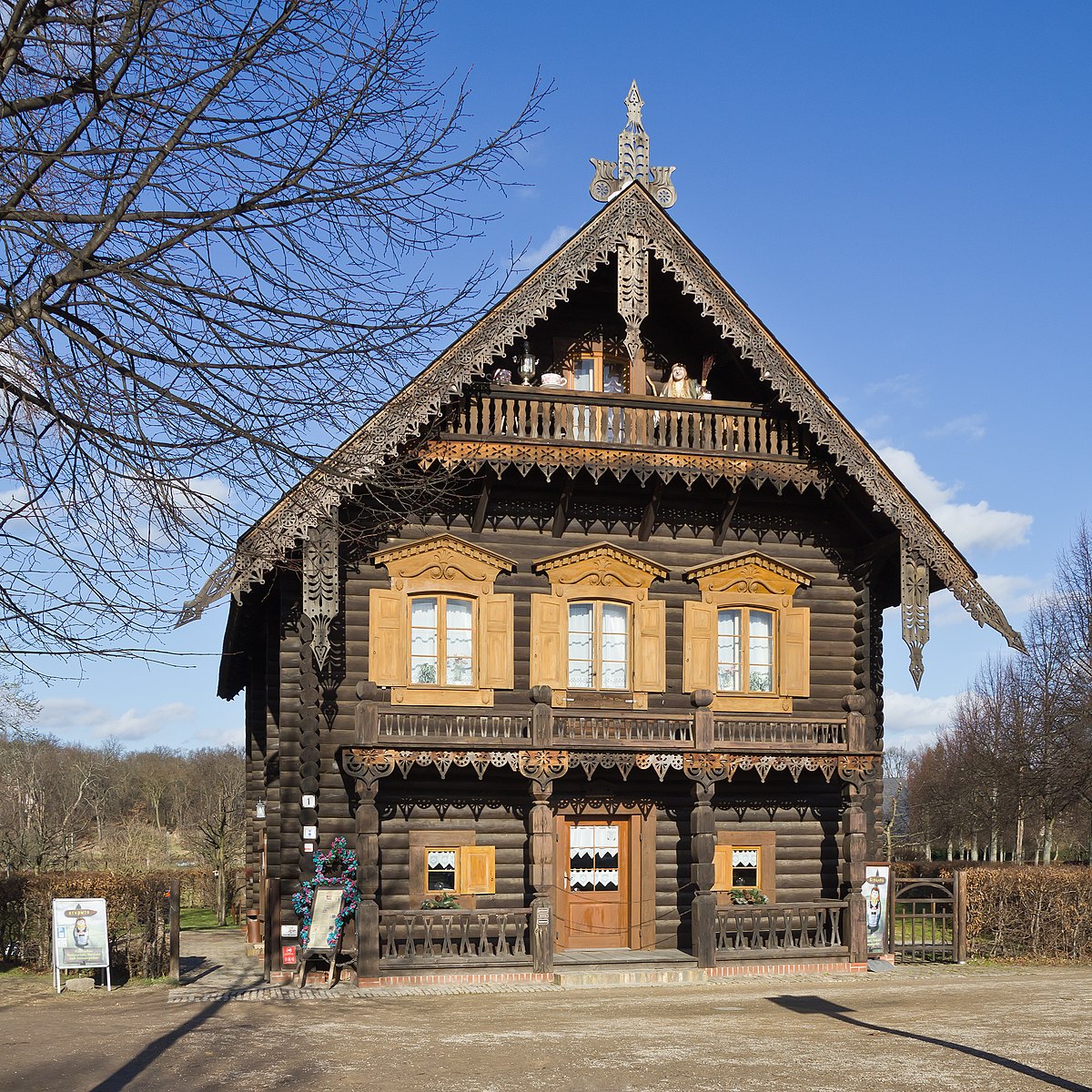
Alexandrowka
📍 Brandenburg, Germany
Located in the picturesque city of Potsdam, Germany, Alexandrowka is an intriguing architectural ensemble that reflects a unique blend of Russian and …

Alte Burg Penzlin
📍 Brandenburg, Germany
Alte Burg Penzlin, a captivating castle located in the quaint town of Penzlin, Germany, serves as a remarkable example of medieval architecture and …

Alte Dorfkirche Röxe
📍 Brandenburg, Germany
The Alte Dorfkirche Röxe stands as a poignant symbol of architectural and cultural history in the Stendal region of Germany. This church building, …
More Cultural Institutions
Bauernmuseum Bamberger Land
📍 Bavaria, Germany
In the heart of Frensdorf, Germany, the Bauernmuseum Bamberger Land serves as a portal into the agricultural history and rural life of the region. As …
Bavarian State Archives
📍 Bavaria, Germany
The Bavarian State Archives, located in the heart of Munich, serves as a vital repository of historical documents and records pertaining to Bavaria …
Bibliotheca Augustiniana
📍 Baden-Württemberg, Germany
The Bibliotheca Augustiniana, situated in the heart of Würzburg, Germany, serves as a vital cultural institution that preserves and archives …

Couven-Gymnasium
📍 North Rhine-Westphalia, Germany
Couven-Gymnasium, located in the heart of Aachen, Germany, serves as a significant cultural institution that embodies the educational spirit of the …

Czech Centre in Berlin
📍 Berlin, Germany
In the heart of Berlin, the Czech Centre serves as a vibrant cultural institution that fosters a deeper understanding of Czech culture and heritage. …

Deutsche Oper Berlin
📍 Berlin, Germany
The Deutsche Oper Berlin is a cornerstone of Germany’s vibrant cultural landscape, offering a captivating blend of traditional and contemporary opera. …