
Fledermaus-Museum Julianenhof
Overview
The Fledermaus-Museum Julianenhof offers a unique glimpse into the world of bats, showcasing their ecological significance and cultural representation. Located in Märkische Höhe, Germany, this museum serves as a vital resource for both education and conservation efforts surrounding these often-misunderstood creatures. The museum’s commitment to raising awareness about bat preservation is evident in its thoughtfully curated exhibits, making it an essential stop for nature enthusiasts and families alike.
Situated within the picturesque landscape of Märkische Höhe, the Fledermaus-Museum is an inviting destination for visitors eager to learn more about these nocturnal mammals. Through interactive displays and informative sessions, the museum seeks to dispel myths about bats and highlight their crucial role in maintaining ecological balance. For anyone keen on understanding the natural world, a visit here promises an enlightening experience.
History and Significance
The Fledermaus-Museum Julianenhof stands as a testament to the importance of wildlife preservation. Though specific historical dates are not available, the museum has become a pivotal space for educating the public about bats—creatures that play essential roles in pollination and pest control. The museum’s establishment reflects a growing recognition of the need to conserve various species, particularly those that often face threats from habitat loss and negative public perception.
Throughout its existence, the museum has focused on fostering a deeper understanding of bats and their habitats. By providing a platform for research and engagement, it plays a crucial role in the wider conversation about biodiversity and environmental stewardship. Visitors can expect to encounter informative displays that detail the various species of bats found in Germany and beyond, emphasizing their ecological roles and the unique adaptations that allow them to thrive in various environments.
The Fledermaus-Museum also serves a significant educational purpose, engaging school groups and the general public through workshops and guided tours. These initiatives help raise awareness about the conservation challenges bats face, such as climate change and urbanization. The museum’s educational outreach is vital in fostering a more informed and responsible attitude towards wildlife protection, inspiring future generations to appreciate and protect these remarkable animals.
Architecture and Features
While specific architectural details are not provided, the Fledermaus-Museum Julianenhof is designed to create an immersive environment for visitors. The layout typically includes interactive exhibits, educational panels, and possibly live demonstrations that engage the audience and enhance their understanding of bat biology and ecology. The museum’s design is likely focused on creating a welcoming atmosphere, encouraging exploration and curiosity.
Notable features may include dedicated areas for various bat species, where visitors can learn about their habitats, behaviors, and the challenges they face in the wild. Additionally, the museum might incorporate multimedia displays to bring the world of bats to life, offering insights through videos, soundscapes, and interactive components. This approach helps create a dynamic learning experience that appeals to visitors of all ages.
The museum’s commitment to education is likely mirrored in its design, with spaces tailored to accommodate workshops and group activities. Such areas would enhance the museum’s role as a center for learning and community engagement, ensuring that visitors leave with a greater appreciation for the complexity of bat ecosystems.
Visiting Information
Getting to the Fledermaus-Museum Julianenhof is straightforward, with various transport options available. Visitors should check the official website for the most current details regarding hours and ticket prices before planning their visit. The museum is accessible by public transport, and there may be parking facilities for those traveling by car.
When visiting, you can expect a variety of engaging exhibits and educational resources. It is recommended to allocate a few hours to fully explore the museum and participate in any available activities or tours. The museum may be busier during weekends and holiday periods, so if you prefer a quieter experience, consider visiting during weekdays or earlier in the day.
The best times to visit the Fledermaus-Museum Julianenhof are typically in spring and autumn, when the weather is moderate, making for a pleasant outing. This also aligns with the active seasons for bats, allowing for a more relevant learning experience.
Nearby Attractions
While visiting the Fledermaus-Museum Julianenhof, take the opportunity to explore other attractions in the vicinity. Nearby sites may include:
- Märkische Höhe Nature Reserve: A beautiful area for hiking and enjoying local flora and fauna.
- Local Historical Sites: Discover the rich history of the region through various preserved buildings and landmarks.
- Wildlife Parks: Experience other species in their natural habitats through parks dedicated to wildlife conservation.
- Cultural Centers: Engage with local culture through galleries and performance spaces that offer insight into the area’s artistic heritage.
These attractions complement a visit to the Fledermaus-Museum by offering diverse experiences that celebrate both nature and culture.
Insider Tips
When planning your visit to the Fledermaus-Museum Julianenhof, consider bringing a camera to capture the unique exhibits, but be mindful of any photography policies in place. To avoid crowds, aim to visit during weekdays or early in the day. This strategy will enhance your experience, allowing for more personal interaction with exhibits and educational staff.
Additionally, check for any special events or workshops that may be scheduled during your visit. Participating in these activities can provide deeper insight and engagement with the subject matter, enriching your overall experience at the museum.
Practical Information
Before setting out for the Fledermaus-Museum Julianenhof, it’s wise to prepare accordingly. Dress comfortably, as you may be walking or standing for extended periods. Seasonal considerations should also be taken into account; in summer, light clothing is recommended, while in cooler months, layering may be necessary.
It’s advisable to bring a water bottle and possibly snacks, especially if you’re visiting with children. This way, you can ensure everyone stays refreshed and energized throughout your visit. Always check the official website for any specific recommendations or requirements ahead of your trip.
Frequently Asked Questions
How long should I spend visiting?
Visitors typically spend a few hours at the Fledermaus-Museum Julianenhof to fully appreciate the exhibits and participate in any activities.
Is photography allowed?
Photography policies can vary, so it’s best to check the museum’s guidelines upon arrival.
Are there guided tours?
Check the official website for information regarding guided tours and their availability.
What’s the best time to visit?
Visiting during weekdays or early in the day can help you avoid crowds, while spring and autumn offer pleasant weather.
Is it wheelchair accessible?
Accessibility features may be available, but it’s advisable to confirm specifics on the official website.
Can I buy tickets online?
Check the official website for information on ticket sales and any options for purchasing in advance.
Are there restrooms and cafes?
Facilities may be provided, but verify the current offerings on the museum’s official website.
What should I wear?
Wear comfortable clothing and appropriate footwear, considering seasonal weather conditions.
A visit to the Fledermaus-Museum Julianenhof promises not only a captivating experience but also an opportunity to contribute to the conversation surrounding wildlife conservation. By engaging with the exhibits and participating in educational programs, visitors play a role in fostering a greater appreciation for bats and the ecosystems they inhabit.
More in Brandenburg
Agnetenkloster
📍 Brandenburg, Germany
Agnetenkloster, a former monastery located in the heart of Magdeburg, Germany, invites visitors to explore its serene ambiance and historical …

Agroneum
📍 Brandenburg, Germany
Agroneum is a museum located in the serene landscape of Alt Schwerin, Germany. This establishment serves as a vibrant hub for those interested in the …

Alexander Nevsky Memorial Church
📍 Brandenburg, Germany
The Alexander Nevsky Memorial Church in Potsdam, Germany, offers visitors a unique glimpse into the city’s cultural and religious heritage. This …
Alexandrowka
📍 Brandenburg, Germany
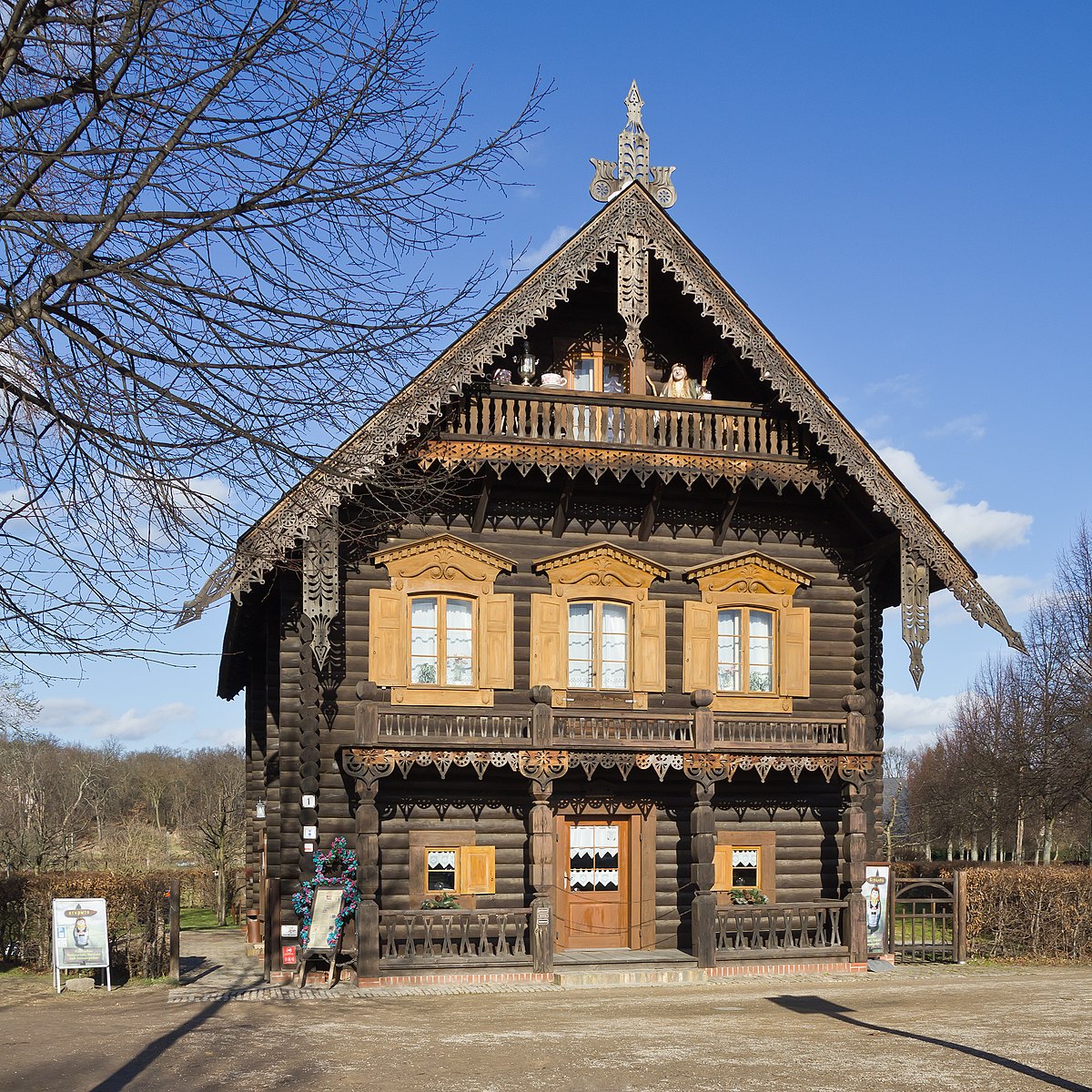
Located in the picturesque city of Potsdam, Germany, Alexandrowka is an intriguing architectural ensemble that reflects a unique blend of Russian and …

Alte Burg Penzlin
📍 Brandenburg, Germany
Alte Burg Penzlin, a captivating castle located in the quaint town of Penzlin, Germany, serves as a remarkable example of medieval architecture and …

Alte Dorfkirche Röxe
📍 Brandenburg, Germany
The Alte Dorfkirche Röxe stands as a poignant symbol of architectural and cultural history in the Stendal region of Germany. This church building, …
More Museums

Abbey and Altenmünster of Lorsch
📍 Baden-Württemberg, Germany
The Abbey and Altenmünster of Lorsch is a UNESCO World Heritage site located in the charming town of Lorsch, Germany. This significant cultural …
Abenteuermuseum
📍 Rhineland-Palatinate, Germany
The Abenteuermuseum, located in Germany, invites visitors to explore the wonders of adventure through its unique exhibits and engaging experiences. …

Abwasser- und Sielmuseum
📍 Hamburg, Germany
The Abwasser- und Sielmuseum, located in the heart of Hamburg-Mitte, offers a unique glimpse into the city’s historical infrastructure concerning …

Academy of Arts, Berlin
📍 Berlin, Germany
The Academy of Arts in Berlin is not just a museum; it is a prominent national institution dedicated to the advancement of the arts in Germany. …

Ackerbürgermuseum Haus Leck
📍 Hesse, Germany
Ackerbürgermuseum Haus Leck is a culturally significant museum located in Germany’s Grebenstein region, dedicated to preserving and showcasing the …

Active Museum Spiegelgasse
📍 Hesse, Germany
Active Museum Spiegelgasse is a vital institution dedicated to preserving and exploring the German-Jewish history of Wiesbaden, Germany. Located in …