Overview
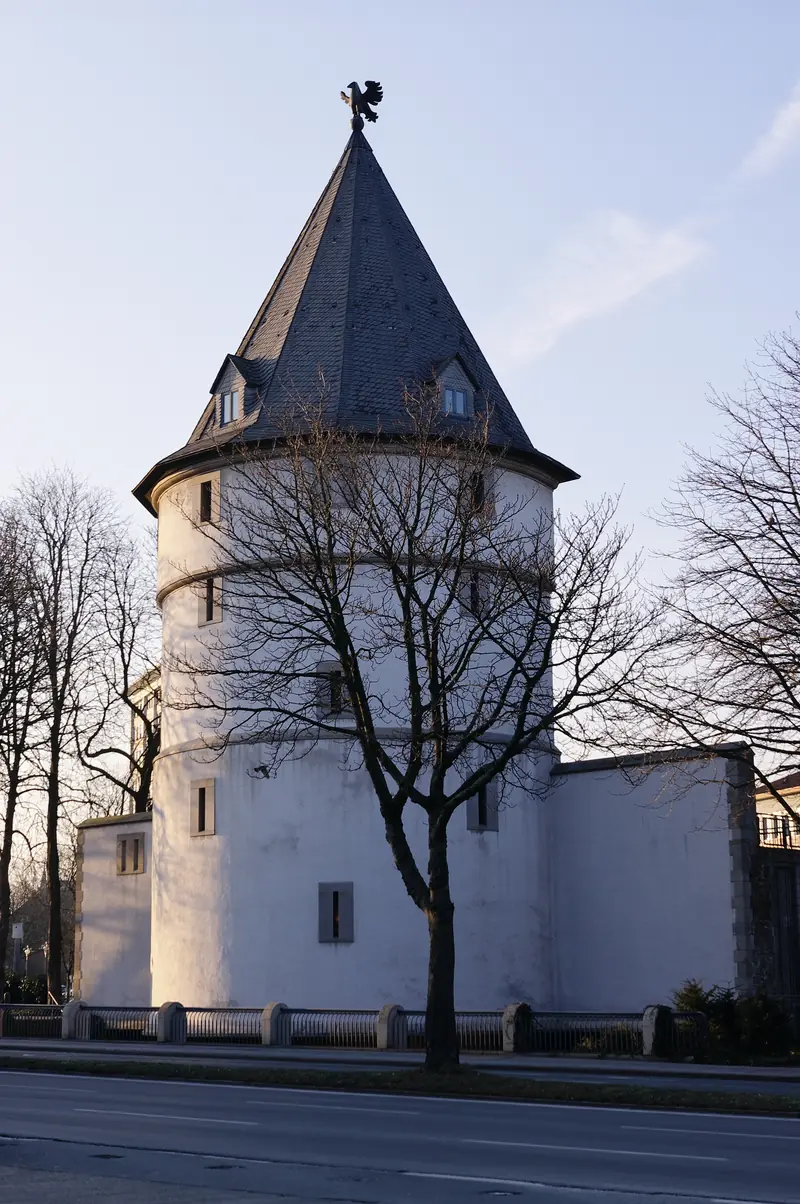
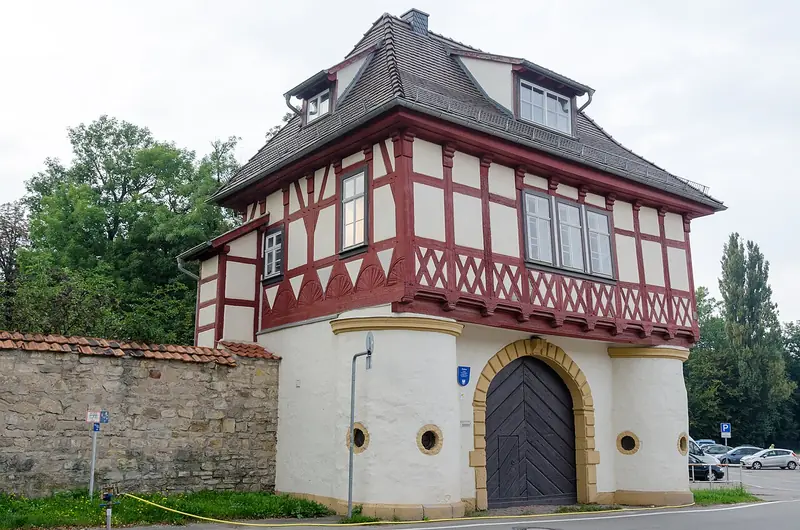
Fischtor, an evocative remnant of Arnstadt’s historical fortifications, serves as a striking reminder of the city’s architectural and cultural heritage. Located in the Ilm-Kreis region of Thuringia, Germany, this former city gate was originally part of the Schlossgartenmauer, the castle garden wall, and has since been repurposed into a residence for the court fisherman. This transformation reflects not only the practical uses of historical structures but also the adaptive nature of urban development over time.
Arnstadt, one of the oldest towns in Thuringia, is known for its rich history, which is intricately tied to the broader narrative of German heritage. The Fischtor is an important element of this narrative, inviting visitors to explore its significance within the context of the city’s fortifications. As you approach this historic site, the architectural features and the stories they hold beckon history enthusiasts and casual visitors alike to delve into the past.
History and Significance
The history of Fischtor is deeply intertwined with the development of Arnstadt itself. Originally constructed as a part of the city’s fortifications, this gate was essential for both defense and access, marking a significant point in the city’s layout. The transition of the Fischtor from a city gate to a dwelling for the Hoffischer highlights the evolving nature of urban spaces and the importance of adaptive reuse in preserving historical buildings.
The gate’s connection to the Schlossgartenmauer suggests that it was once integral to the protection of not just the city but also the royal gardens, underscoring the significance of nature and leisure in the lives of the citizens and nobility of the time. The architectural features of the gate may reflect the prevailing styles of the era in which it was built, contributing to its cultural importance as a historical landmark.
As part of the city’s fortification system, Fischtor plays a role in Arnstadt’s broader historical narrative, which includes its medieval origins and its development through various political and social changes. The gate offers insights into the strategies employed for urban defense during its time of use, making it a point of interest for those fascinated by medieval architecture and history.
Architecture and Features
Fischtor is characterized by its robust architectural features that reflect the defensive needs of a city gate. Although specific details about its dimensions and architectural style are not provided, one can expect to find elements typical of fortification structures, such as thick walls and a sturdy entranceway designed to withstand both natural and man-made forces.
The gate’s transformation into a residence adds an additional layer of architectural interest. The adaptation likely involved modifications that blended the historical aspects of the original structure with the functional needs of a living space. Visitors may notice how the design accommodates both historical preservation and modern living, showcasing the balance between maintaining heritage and embracing contemporary life.
The use of local materials in its construction may also highlight the traditional craftsmanship of the region, offering a glimpse into the building techniques and styles that were prevalent during its creation. The Fischtor stands as a physical manifestation of Arnstadt’s architectural evolution, capturing the essence of its historical and cultural journey.
Visiting Information
Fischtor is conveniently located in the heart of Arnstadt, making it easily accessible for visitors exploring the region. To reach the site, various transport options are available, including public transport, cycling, and walking, given its proximity to the city center. Visitors can anticipate a moderate level of foot traffic, particularly during peak tourist seasons.
Check the official website for current information on hours and prices, as these details may vary. Typically, visitors can expect to spend about an hour exploring the site, allowing for a leisurely appreciation of its historical significance and architectural features.
The best times to visit are generally during the spring and early autumn when the weather is mild, and the city is less crowded. This allows for a more intimate experience with the site and its surroundings.
Nearby Attractions
While visiting Fischtor, consider exploring these nearby attractions that enhance your understanding of Arnstadt’s rich heritage:
Arnstadt Castle: A short stroll away, this former residence of the Dukes of Saxe-Meiningen offers insights into the region’s nobility and their architectural legacy.
St. Bonifacius Church: Known for its striking architecture and historical significance, this church is an essential stop for those interested in religious heritage.
Schlossgarten Arnstadt: The adjacent castle gardens provide a picturesque setting for a leisurely walk, allowing visitors to appreciate the natural beauty and historical context of the area.
Museum im Schloss: This museum, located within the castle, presents exhibitions on the history and culture of Arnstadt, making it an informative complement to your visit.
Johann Sebastian Bach’s House: A tribute to the famed composer who had connections to Arnstadt, this site adds a musical dimension to your exploration of the town.
Insider Tips
For those planning to capture the essence of Fischtor through photography, the best angles can be found from the surrounding streets, where the gate stands prominently against the backdrop of Arnstadt’s historical architecture. Early morning or late afternoon light can enhance your photographs, providing softer illumination and fewer shadows.
To avoid larger crowds, consider visiting during weekdays or off-peak seasons. This approach will allow for a more serene experience, enabling you to appreciate the site’s details without the distraction of bustling tourists.
Practical Information
When visiting Fischtor, it’s advisable to bring comfortable walking shoes, as you may wish to explore the area further. Consider carrying a water bottle and some snacks, especially if you plan to spend time in the adjacent Schlossgarten or nearby attractions.
Seasonal considerations include checking the weather forecast prior to your visit, as winter months may bring colder temperatures and possible snow, which could affect accessibility. Spring and summer typically offer the most favorable weather for outdoor exploration.
Frequently Asked Questions
How long should I spend visiting?
A visit to Fischtor typically requires about an hour, allowing time to appreciate the site’s historical significance and architecture.
Is photography allowed?
Yes, photography is generally permitted, but it’s always best to be respectful of any guidelines posted at the site.
Are there guided tours?
Check the official website for information about guided tours, as availability may vary.
What’s the best time to visit?
Spring and early autumn are ideal for visiting Fischtor, offering pleasant weather and fewer crowds.
Is it wheelchair accessible?
Accessibility details are not specified; check the official website for the most accurate information.
Can I buy tickets online?
Check the official website for current ticket purchasing options and availability.
Are there restrooms and cafes?
Facilities may be limited at Fischtor; check the official website for nearby options.
What should I wear?
Dress comfortably and consider the weather conditions for your visit, as you may be walking around the area.