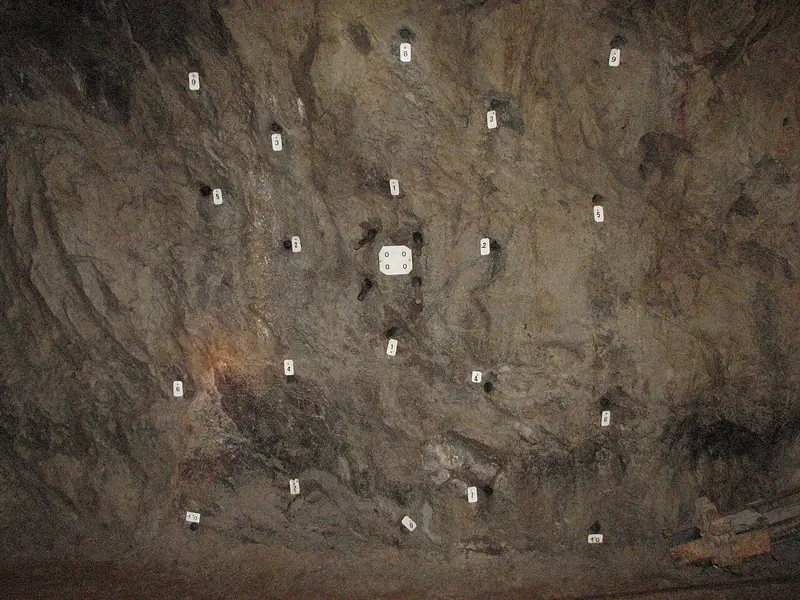
Overview
Finstergrund, an abandoned mine turned museum, invites visitors to explore the fascinating world of industrial heritage in the Southern Black Forest of Germany. This site combines history and education, showcasing the legacy of mining in the region. As you wander through the remnants of this once-thriving industry, you’ll uncover the stories of those who worked here and gain insight into the technological advances that have shaped mining practices. The mine’s transformation into a museum allows for a unique exploration of the intersection between nature and human endeavor.
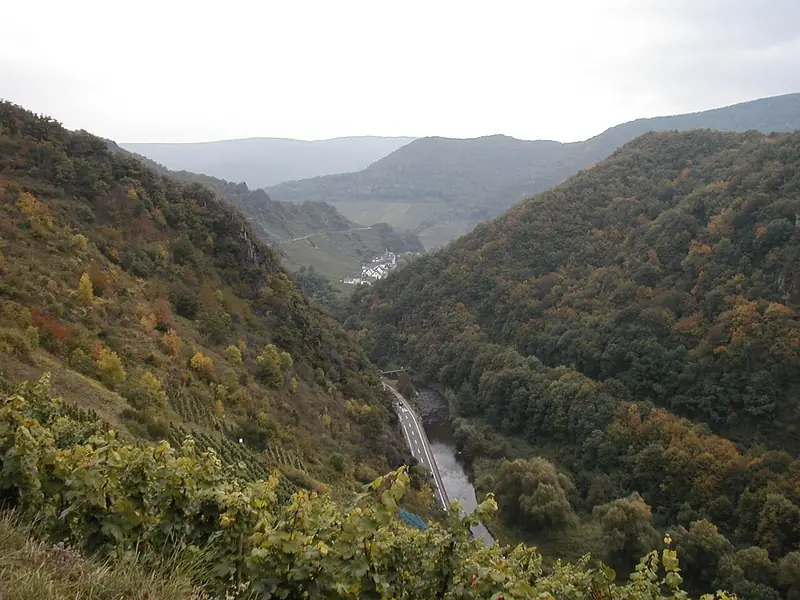
The Southern Black Forest, characterized by dense forests and rolling hills, provides a picturesque backdrop for this historical site. Finstergrund is not just a relic of the past; it serves as a touchpoint for understanding the evolution of mining techniques, the socio-economic dynamics of the area, and the environmental impact of such industries. Visitors to the mine will find a blend of education and adventure, making it a worthy addition to any heritage travel itinerary.
History and Significance
The history of Finstergrund is deeply intertwined with the development of the mining industry in Germany. While specific dates may not be available, the site represents a significant chapter in the region’s industrial evolution. Mining has been a crucial economic activity in the Southern Black Forest for centuries, shaping the lives of communities and contributing to the growth of local economies.
The transition from active mining operations to a museum reflects broader trends in the region, where many mines have ceased production due to changing economic conditions and the depletion of resources. Finstergrund stands as a reminder of this transition, offering insights into the past while promoting awareness of the environmental and social challenges faced by mining communities.
As a museum, Finstergrund plays a vital role in preserving the industrial heritage of the area. It serves not only as an educational resource but also as a cultural hub, where visitors can learn about the history of mining practices, the tools used by miners, and the impact of these operations on the landscape. The site encourages reflection on the legacy of industrial activities and their lasting influences on contemporary society.
Architecture and Features
The architectural features of Finstergrund reflect the utilitarian designs typical of mining facilities. The structures and remnants visible today speak to the practical needs of the mining industry. Visitors can explore various sections of the mine, which may include shafts, tunnels, and machinery remnants that provide a glimpse into the operational aspects of the site during its active years.
Key features of the mine include machinery that was once essential for extracting resources, illustrating the technological advancements that occurred over time. The layout of the mine and its associated structures can also offer insights into the working conditions faced by miners. While specific architectural details may be sparse, the overall design embodies the rugged nature of industrial sites, emphasizing functionality over aesthetics.
As a museum, Finstergrund may incorporate informative displays and signage, enhancing the visitor experience by providing context and historical background. This educational aspect is crucial for understanding the significance of the site within the broader narrative of industrial heritage.
Visiting Information
To reach Finstergrund, visitors can utilize various forms of transportation typical of the region. Given its location in the Southern Black Forest, accessing the site may involve traveling through scenic routes that enhance the journey. Upon arrival, guests can expect a welcoming environment that encourages exploration and learning.
Check the official website for current information regarding opening hours and ticket prices. The museum is designed to accommodate a diverse range of visitors, providing insights into the mining heritage of the area. Depending on individual interests, visitors may spend a few hours delving into the site’s offerings.
The best times to visit often coincide with the milder months of the year when the weather is more conducive to exploring outdoor spaces. Spring and early autumn typically provide pleasant conditions for a visit, allowing guests to appreciate the surrounding natural beauty while engaging with the site’s historical significance.
Nearby Attractions
While Finstergrund itself is a compelling destination, the Southern Black Forest region is rich with additional attractions that can enhance any visit. Nearby, you can explore:
Titisee-Neustadt: A charming resort town famous for its picturesque lake, offering opportunities for hiking, boating, and enjoying local cuisine.
Schwarzwaldhochstraße: A scenic route that showcases the natural beauty of the Black Forest, perfect for leisurely drives or cycling.
Furtwangen: Known for its clock museum, this town provides insights into the region’s craftsmanship and industrial history.
Baden-Baden: A renowned spa town that combines leisure with culture, featuring thermal baths and elegant architecture.
Triberg Waterfalls: One of Germany’s highest waterfalls, offering stunning views and a chance to enjoy hiking trails in a serene setting.
Insider Tips
To capture the essence of Finstergrund through photography, consider visiting during the early morning or late afternoon when natural light enhances the site’s features. This timing also helps avoid the peak crowds, allowing for a more intimate experience.
If you prefer a quieter visit, try to avoid weekends and public holidays, as these times can attract larger groups. Additionally, engaging with the museum staff can provide valuable insights and recommendations for your visit, enriching your understanding of the site.
Practical Information
When planning your visit to Finstergrund, consider bringing comfortable footwear suitable for walking, as exploring the site may involve navigating uneven terrain. A camera is also advisable for capturing the unique elements of the mine and its surroundings.
Seasonal considerations are important; during colder months, dress in layers to stay warm, as the site may be exposed to chilly winds. Conversely, during warmer months, ensure you have adequate sun protection and hydration, particularly if you plan to explore the outdoor areas extensively.
Frequently Asked Questions
How long should I spend visiting?
A visit to Finstergrund typically lasts a few hours, allowing ample time to explore the mine, read informational displays, and absorb the site’s historical context.
Is photography allowed?
Photography is generally permitted; however, it’s best to check any specific guidelines at the site upon arrival.
Are there guided tours?
Guided tours may be available, offering in-depth insights into the mine’s history and significance. Check the official website for current offerings.
What’s the best time to visit?
The best times to visit are usually during the spring or early autumn when the weather is mild and ideal for outdoor exploration.
Is it wheelchair accessible?
Accessibility information can vary; it is advisable to check the official website for details regarding wheelchair access and facilities.
Can I buy tickets online?
Ticket purchasing options may be available online. For the latest information, it’s recommended to visit the official website.
Are there restrooms and cafes?
Facilities such as restrooms and cafes may be present on-site, but it is advisable to verify this information on the official website before your visit.
What should I wear?
Wear comfortable clothing and sturdy footwear suitable for walking. Seasonal attire is essential, so dress appropriately for the weather conditions during your visit.