
Felix Nussbaum Haus
Overview
The Felix Nussbaum Haus, situated in the heart of Osnabrück, Germany, serves as a poignant tribute to the life and works of the German-Jewish artist Felix Nussbaum. The museum stands as a significant cultural institution dedicated to preserving Nussbaum’s artistic legacy, which reflects the turbulence of his life during a tumultuous era marked by the rise of Nazism and the Holocaust. Visitors are invited to explore a collection that not only showcases his art but also delves into the broader historical and emotional context surrounding his experiences as a Jewish artist during World War II.
The museum’s location in Osnabrück is of particular importance, as it is where Nussbaum was born and spent part of his early life. This connection adds a layer of significance to the site, making it a compelling destination for art enthusiasts, historians, and anyone interested in the intersection of art and history. The Felix Nussbaum Haus promises an enriching experience, encouraging reflection on the power of art in times of adversity.
History and Significance
Felix Nussbaum was born in 1904 in Osnabrück, where he began his artistic journey. His early works were influenced by the Expressionist movement, characterized by emotional intensity and vivid colors. However, his life took a tragic turn with the rise of the Nazi regime, which persecuted Jewish artists and intellectuals. Nussbaum fled Germany in 1933, living in Belgium and surviving the horrors of World War II, including internment and the loss of many family members.
The museum dedicated to him was established to honor his contributions to art and to shed light on the profound themes of identity, exile, and the human condition that permeate his works. Nussbaum’s paintings often reflect his experiences of displacement and despair, making the museum not only a repository of art but also a space for education and remembrance. His works have garnered international recognition, and the museum plays a crucial role in bringing attention to the stories of artists who suffered under oppressive regimes.
The Felix Nussbaum Haus also serves as a cultural hub, hosting exhibitions, lectures, and educational programs that engage the public with themes pertinent to Nussbaum’s life and work. Through its initiatives, the museum aims to foster dialogue about tolerance, diversity, and the importance of remembering history, reinforcing its significance within both the local community and the broader art world.
Architecture and Features
Designed by the renowned architect Daniel Libeskind, the Felix Nussbaum Haus itself is a work of art. The building’s distinctive angular forms and fragmented spaces reflect the dislocation experienced by Nussbaum throughout his life. The architecture is symbolic, with sharp angles and unconventional layouts that echo the turmoil of the artist’s experiences.
Visitors are greeted by a striking façade that invites curiosity, setting the tone for the exploration within. The interior spaces are designed to create a dynamic interaction between the exhibits and the visitors, allowing for a contemplative experience. Natural light plays a significant role in the exhibition areas, highlighting the vivid colors and emotional depth of Nussbaum’s paintings.
The museum houses a comprehensive collection of Nussbaum’s works, including paintings, drawings, and sketches, many of which are displayed in thoughtfully curated exhibitions. Each exhibit is designed to provide context and insight into the artist’s life, offering a deeper understanding of the historical and emotional weight behind each piece.
In addition to the gallery spaces, the museum includes areas for educational activities and public events, reinforcing its role as a center for cultural engagement. The thoughtful integration of art and architecture at the Felix Nussbaum Haus creates an immersive environment for reflection and learning.
Visiting Information
To reach the Felix Nussbaum Haus, visitors can use various modes of public transportation available in Osnabrück. The museum is conveniently located within the city, making it easily accessible by foot for those staying nearby. Parking facilities may also be available, but it is advisable to check the official website for the most current information regarding transport options.
When planning a visit, be sure to check the official website for details on opening hours and ticket prices, as these can vary. The museum typically offers a range of experiences, from guided tours to self-guided visits, allowing guests to tailor their time according to their interests. A visit to the Felix Nussbaum Haus can take anywhere from one to two hours, depending on the depth of exploration and engagement with the exhibits.
The museum is known to attract a diverse audience, so visiting during off-peak hours may enhance the experience. Weekdays often see fewer visitors than weekends, making them an ideal choice for a quieter experience.
Nearby Attractions
While in Osnabrück, visitors can explore several nearby attractions that complement a trip to the Felix Nussbaum Haus:
Osnabrück Castle: A historical site that dates back to the 17th century, this castle offers guided tours and exhibitions that delve into the history of the region.
St. Peter’s Cathedral: Located in the city center, this impressive cathedral features beautiful architecture and is a testament to the city’s religious heritage.
The Heger Tor: This iconic city gate is a part of Osnabrück’s medieval fortifications and serves as a reminder of the city’s historical significance.
Cultural History Museum: A short distance from the Felix Nussbaum Haus, this museum showcases the cultural heritage of Osnabrück and its surrounding region.
Botanical Garden Osnabrück: A serene place to unwind, the garden features a diverse collection of plants and offers a peaceful escape from the urban environment.
These nearby attractions can enrich a visitor’s experience, providing a broader understanding of Osnabrück’s history and culture.
Insider Tips
For photography enthusiasts, the Felix Nussbaum Haus presents numerous opportunities to capture both the architecture and the art on display. However, be mindful of museum policies regarding photography, as specific restrictions may apply.
To avoid crowds, consider visiting during weekday mornings or late afternoons. This strategy can enhance the experience, allowing for a more personal connection with Nussbaum’s works.
If you have a particular interest in art, it may be beneficial to join a guided tour. These tours often provide deeper insights into the artworks and the context of Nussbaum’s life, enriching your visit.
Practical Information
When planning your visit to the Felix Nussbaum Haus, it’s useful to consider what to bring. Comfortable walking shoes are recommended, as the museum and its surroundings can invite exploration. A notebook or sketchbook might also be handy for those inspired by the art.
Seasonal considerations may influence your visit. Spring and summer can offer pleasant weather for exploring the outdoor areas, while fall and winter may provide a cozy atmosphere inside the museum. Regardless of the season, check the official website for any seasonal events or exhibitions that may enrich your experience.
Frequently Asked Questions
How long should I spend visiting?
A typical visit to the Felix Nussbaum Haus lasts between one to two hours, depending on your level of interest and engagement with the exhibits.
Is photography allowed?
Check the museum’s policy regarding photography, as restrictions may vary. Some areas may permit photography, while others may not.
Are there guided tours?
Yes, guided tours are available and can provide valuable insights into Felix Nussbaum’s life and works. Check the official website for scheduling and availability.
What’s the best time to visit?
Weekdays, particularly in the morning or late afternoon, are often less crowded, making them ideal times for a more intimate experience.
Is it wheelchair accessible?
Accessibility features are typically available, but it is advisable to check the official website for specific details on wheelchair access.
Can I buy tickets online?
Ticket purchasing options may be available online. Check the official website for current ticketing information and availability.
Are there restrooms and cafes?
Facilities for restrooms are generally provided within the museum. Check the official website for information on any cafes or dining options available on-site.
What should I wear?
Dress comfortably, as you may be walking and exploring the exhibits for an extended period. Consider layering clothing, as temperatures can vary.
The Felix Nussbaum Haus is more than a museum; it is a space for reflection and understanding, inviting visitors to engage deeply with the life and work of a remarkable artist.
More in Lower Saxony

2000 Jahre Christentum
📍 Lower Saxony, Germany
The “2000 Jahre Christentum,” a prominent statue located in Brunswick, Germany, serves as a significant cultural landmark that reflects the rich …
A. Heucke
📍 Lower Saxony, Germany
A. Heucke, located in the historic town of Gatersleben in Germany’s Seeland region, represents a significant chapter in the story of industrial …

Aalto Theatre
📍 Lower Saxony, Germany
The Aalto Theatre in Essen, Germany, is a prominent cultural landmark that attracts both local and international visitors. Renowned for its …

Aasee
📍 Lower Saxony, Germany
Aasee is a picturesque lake located in the town of Ibbenbüren, Germany, serving as a popular destination for both locals and visitors alike. This …
Abgunst Mine
📍 Lower Saxony, Germany
Abgunst Mine, located in the industrial heart of Essen, Germany, is a significant heritage site that represents the country’s rich mining history. As …

Accumer Mühle
📍 Lower Saxony, Germany
Accumer Mühle is a captivating windmill located in Schortens, Germany, that showcases the remarkable engineering of traditional European mills. This …
More Art Museums

Aachen Cathedral Treasury
📍 North Rhine-Westphalia, Germany
Aachen Cathedral Treasury, located in the historic city of Aachen, Germany, is a remarkable art museum that houses an impressive collection of …

Abteiberg Museum
📍 North Rhine-Westphalia, Germany
In the heart of Mönchengladbach, Germany, the Abteiberg Museum stands out as a prominent destination for art enthusiasts and cultural explorers alike. …

Akademisches Kunstmuseum
📍 North Rhine-Westphalia, Germany
In the heart of Bonn, Germany, lies the Akademisches Kunstmuseum, an art museum that invites visitors to explore a diverse collection of artworks …

Albertinum
📍 Saxony, Germany
Albertinum is a prominent art museum located in the heart of Dresden, Germany, serving as a significant cultural institution in the region. …

Albrecht Dürer's House
📍 Bavaria, Germany
Albrecht Dürer’s House stands as a significant cultural landmark in Nuremberg, Germany, celebrating the life and work of one of the Renaissance’s most …
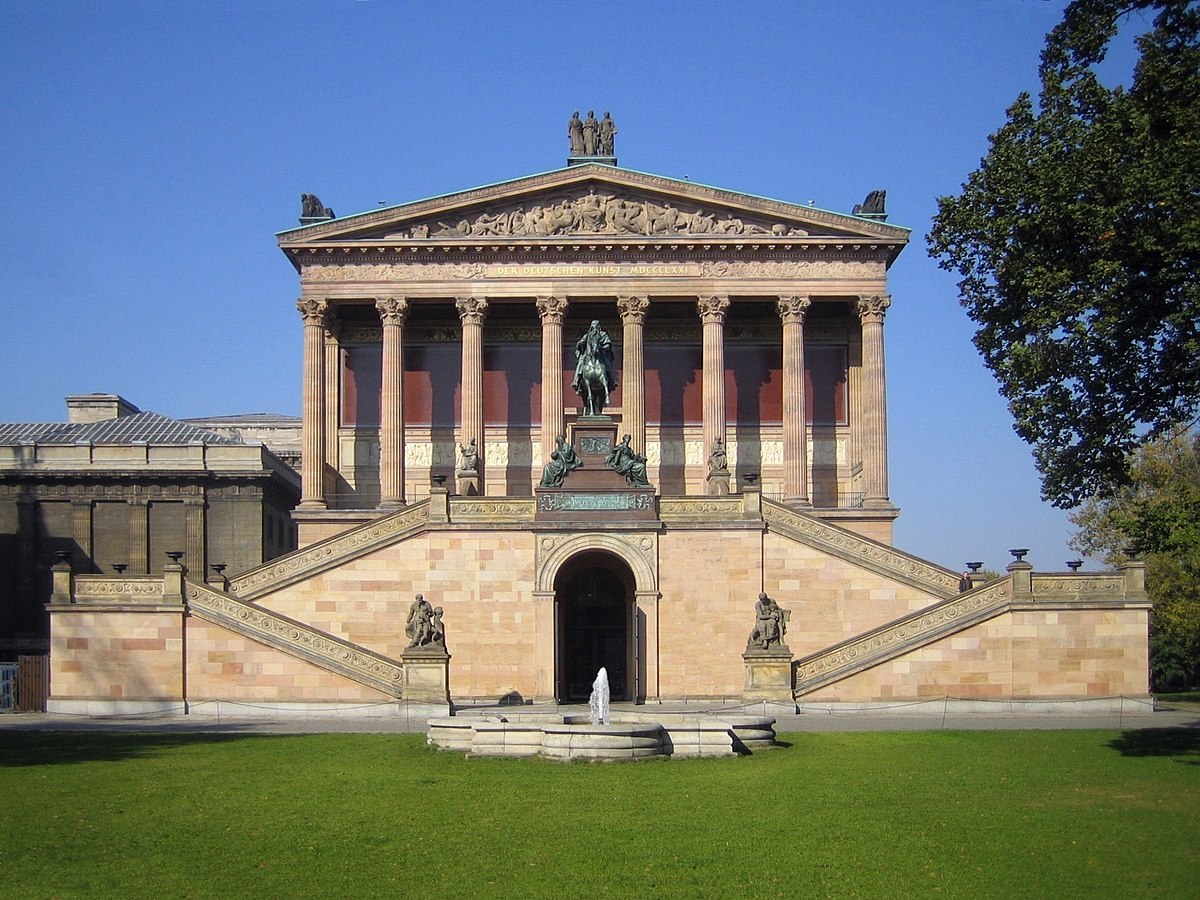
Alte Nationalgalerie
📍 Berlin, Germany
The Alte Nationalgalerie, an esteemed art museum located in Berlin’s Bezirk Mitte, is a cornerstone of cultural appreciation in Germany. This museum …