
Fagus Factory
Overview
In the picturesque town of Alfeld (Leine), Germany, the Fagus Factory stands as a remarkable example of modern industrial architecture and innovation. Recognized as a UNESCO World Heritage site, this factory is not only an operational manufacturing facility but also a symbol of the evolution of industrial design in the early 20th century. The site is particularly significant for its pioneering use of glass and steel in construction, which has influenced architectural practices worldwide. Visitors to the Fagus Factory can expect an insightful experience that delves into the intersection of design, functionality, and cultural history.
Situated in Lower Saxony, Alfeld is easily accessible and serves as a gateway to explore the richness of Germany’s industrial heritage. The factory, designed by the architect Walter Gropius, showcases a harmonious blend of aesthetics and practicality, reflecting the ideals of the Bauhaus movement that Gropius would later spearhead. The Fagus Factory’s design not only revolutionized factory architecture but also set a precedent for future developments in industrial spaces.
As you approach the Fagus Factory, prepare to be captivated by its distinct façade and innovative structure. The factory is a testament to the forward-thinking principles of its time, offering a glimpse into the past while remaining relevant in today’s architectural discourse. Whether you are an architecture enthusiast, history buff, or simply curious about industrial heritage, the Fagus Factory promises an engaging and informative visit.
History and Significance
The Fagus Factory was established in response to the growing need for modern manufacturing spaces that could accommodate new production techniques, particularly in the shoe industry. The factory’s design is credited to Walter Gropius, a prominent figure in the architectural community and a founding member of the Bauhaus school. Although specific dates related to its construction may vary, its conception marked a significant shift in how industrial buildings were designed and utilized.
Gropius’s approach to the factory was groundbreaking. He advocated for a design that emphasized natural light and open spaces, a departure from the dark and cramped factories of the past. This vision resulted in the extensive use of glass in the structure, allowing for ample daylight to flood the workspace, thereby enhancing productivity and employee well-being.
The Fagus Factory is recognized not just for its architectural innovation but for its cultural importance. It represents the ethos of early 20th-century industrialization, where functionality met artistic expression. This factory was one of the first to integrate modernist principles into a commercial setting, influencing countless architects and designers in the years that followed.
In 2011, the Fagus Factory was inscribed on the UNESCO World Heritage list, acknowledging its architectural significance and the role it played in shaping modern industrial design. This designation has helped to preserve the site and promote awareness of its historical importance, ensuring that future generations can appreciate its contribution to both architecture and industry.
Architecture and Features
The architectural design of the Fagus Factory is characterized by its innovative use of materials and its focus on form and function. The building features a striking façade composed of large glass windows framed by a robust steel structure. This combination not only serves aesthetic purposes but also enhances the structural integrity of the factory.
One of the key features of the Fagus Factory is its modular design, which allows for flexibility in the arrangement of workspaces. The open floor plan facilitates easy movement and collaboration among workers, reflecting the forward-thinking manufacturing processes of its time. The transparency of the building’s exterior symbolizes a break from traditional factory designs, creating an inviting atmosphere that encourages interaction between the interior and exterior environments.
The factory’s roofline is also noteworthy; it is slightly elevated, adding to the overall dynamic appearance of the structure. This design choice not only contributes to the visual interest of the building but also allows for better ventilation and natural light distribution within the workspace.
Throughout the factory, visitors can observe the careful attention to detail that Gropius employed in the design. Elements such as the thoughtfully designed entrances and exits, the strategic placement of windows, and the overall symmetry of the façade reflect a cohesive architectural philosophy aimed at improving the working conditions for factory employees.
The Fagus Factory is a remarkable example of how industrial architecture can transcend mere functionality to become an integral part of cultural heritage. Its design principles continue to resonate in contemporary architecture, making it a subject of interest for scholars, architects, and the general public alike.
Visiting Information
Visiting the Fagus Factory is an enlightening experience, especially for those interested in architecture and industrial history. The factory is conveniently located in Alfeld (Leine), which is accessible by various modes of transportation, including train and car. Given its popularity, it is advisable to check the official website for current information regarding visiting hours and ticket prices to ensure a smooth experience.
When planning your visit, consider dedicating a few hours to fully explore the site. Guided tours are often available and provide deeper insights into the factory’s history, architecture, and significance. During peak tourist seasons, it may be beneficial to visit during weekdays or early in the morning to avoid crowds and enjoy a more intimate experience.
The best times to visit the Fagus Factory are during the spring and autumn months when the weather is mild, and the surrounding area is particularly pleasant. The factory’s unique design can be appreciated in any season, making it a worthwhile destination year-round.
Upon arrival, visitors can expect to find informative displays and exhibitions that illuminate the factory’s history and architectural significance. The site is designed to be accessible to all, ensuring that everyone can appreciate its cultural heritage.
Nearby Attractions
While visiting the Fagus Factory, take advantage of the opportunity to explore the surrounding area, which offers a variety of attractions:
Alfeld Town Center: A charming area filled with shops, cafes, and historical buildings that reflect the local culture and community spirit.
St. Nicholas Church: An impressive Gothic-style church located nearby, known for its stunning architecture and historical significance.
Museum of Local History: A small museum that showcases the heritage of Alfeld and the surrounding region, providing context to the industrial developments that shaped the area.
Landschaftspark Alfeld: A scenic park ideal for leisurely walks, picnics, and enjoying the natural beauty of the region.
Hiking Trails: The vicinity around Alfeld offers various hiking trails that allow visitors to immerse themselves in the picturesque landscapes of Lower Saxony.
Insider Tips
To make the most of your visit to the Fagus Factory, consider these insider tips:
Photography: Bring a camera to capture the unique architectural features of the factory. Early mornings or late afternoons provide the best natural lighting for photography.
Crowd Avoidance: If possible, visit during weekdays or early in the day to avoid larger groups of tourists, allowing for a more personal experience.
Guided Tours: Opt for a guided tour if available, as it can provide deeper insights into the architectural details and historical context that may not be immediately apparent.
Practical Information
When planning your visit to the Fagus Factory, keep the following practical considerations in mind:
What to Bring: Comfortable walking shoes are recommended, as you may be exploring the factory grounds extensively. A water bottle and a small bag for personal items can also enhance your visit.
Seasonal Considerations: The factory is open year-round, but visiting in spring or autumn can provide a more pleasant experience. Be aware of weather conditions and dress accordingly.
Accessibility: The site is designed to accommodate all visitors, including those with mobility challenges. It is advisable to check the official website for specific accessibility features.
Frequently Asked Questions
How long should I spend visiting?
Most visitors recommend spending about 2-3 hours at the Fagus Factory to fully appreciate the architecture and exhibitions.
Is photography allowed?
Yes, photography is generally permitted, but be mindful of any specific restrictions during guided tours or exhibitions.
Are there guided tours?
Guided tours are often available and provide valuable insights into the history and design of the factory.
What’s the best time to visit?
The best times to visit are during the spring and autumn months when the weather is mild and the surrounding area is particularly beautiful.
Is it wheelchair accessible?
Yes, the Fagus Factory is designed to be accessible to all visitors, including those with mobility challenges.
Can I buy tickets online?
Check the official website for information regarding online ticket purchases and availability.
Are there restrooms and cafes?
Restroom facilities are available on-site, and visitors may find nearby cafes for refreshments before or after their visit.
What should I wear?
Dress comfortably and in layers, as you may spend time indoors and outdoors. Comfortable shoes are recommended for exploring the factory grounds.
More in Lower Saxony

2000 Jahre Christentum
📍 Lower Saxony, Germany
The “2000 Jahre Christentum,” a prominent statue located in Brunswick, Germany, serves as a significant cultural landmark that reflects the rich …
A. Heucke
📍 Lower Saxony, Germany
A. Heucke, located in the historic town of Gatersleben in Germany’s Seeland region, represents a significant chapter in the story of industrial …

Aalto Theatre
📍 Lower Saxony, Germany
The Aalto Theatre in Essen, Germany, is a prominent cultural landmark that attracts both local and international visitors. Renowned for its …

Aasee
📍 Lower Saxony, Germany
Aasee is a picturesque lake located in the town of Ibbenbüren, Germany, serving as a popular destination for both locals and visitors alike. This …
Abgunst Mine
📍 Lower Saxony, Germany
Abgunst Mine, located in the industrial heart of Essen, Germany, is a significant heritage site that represents the country’s rich mining history. As …

Accumer Mühle
📍 Lower Saxony, Germany
Accumer Mühle is a captivating windmill located in Schortens, Germany, that showcases the remarkable engineering of traditional European mills. This …
More Factories
A. Heucke
📍 Lower Saxony, Germany
A. Heucke, located in the historic town of Gatersleben in Germany’s Seeland region, represents a significant chapter in the story of industrial …
Adam Opel AG Werk Bochum I
📍 Lower Saxony, Germany
The Adam Opel AG Werk Bochum I, located in Germany, represents a significant chapter in the history of industrial production. This former production …
Adam Opel AG Werke Bochum II/III
📍 Lower Saxony, Germany
Adam Opel AG Werke Bochum II/III is a distinguished factory located in Germany, playing a significant role in the automotive industry. This site is …
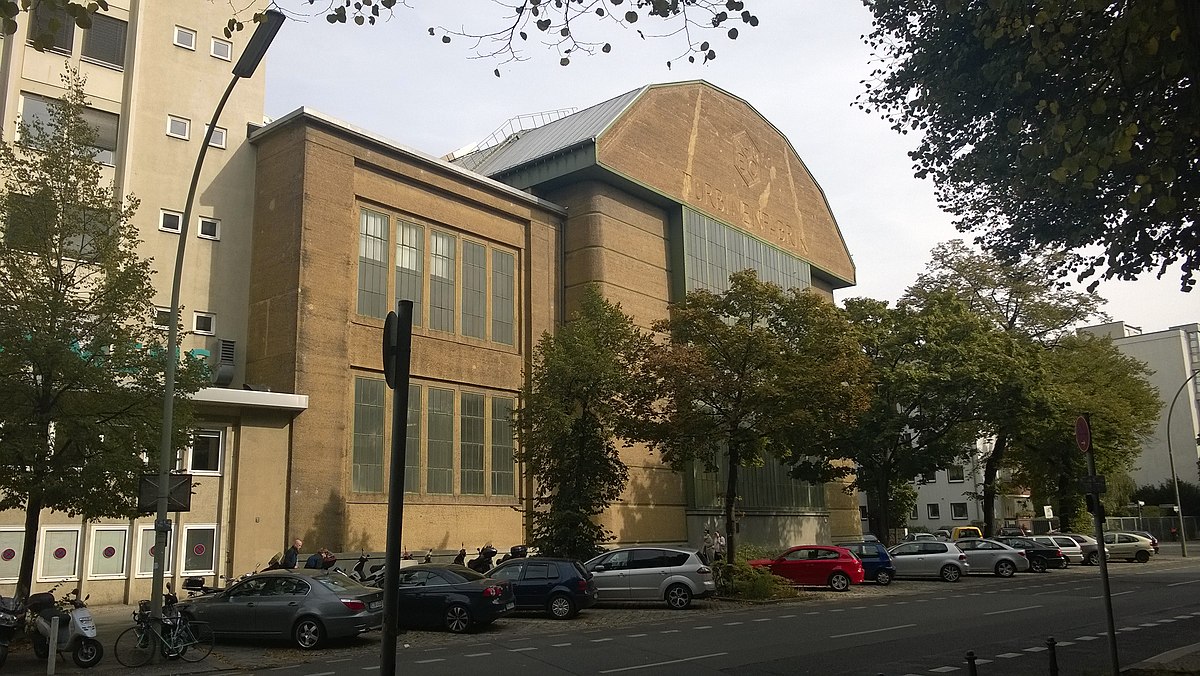
AEG's Turbine factory
📍 Berlin, Germany
The AEG Turbine Factory, an iconic structure in Berlin’s Bezirk Mitte, is a significant landmark that reflects the industrial heritage of the city. …
AKA-Radiergummifabrik
📍 Lower Saxony, Germany
The AKA-Radiergummifabrik, a significant former factory located in Hannover, Germany, offers a unique glimpse into the industrial past of the region. …

Alte Malzfabrik
📍 Lower Saxony, Germany
Alte Malzfabrik, located in Mülheim an der Ruhr, Germany, is an intriguing factory site that encapsulates the industrial heritage of the region. This …