
Fabergé Museum
Overview
The Fabergé Museum, located in the charming spa town of Baden-Baden, Germany, is a remarkable institution dedicated to the exquisite works of the famed jeweler Peter Carl Fabergé. Known primarily for the iconic Fabergé eggs, which are celebrated for their intricate craftsmanship and luxurious materials, this museum provides an in-depth exploration of the artist’s life and oeuvre. Visitors can immerse themselves in a stunning collection that reflects not only the elegance of the Russian imperial court but also the broader cultural significance of Fabergé’s creations.
Baden-Baden, a city renowned for its thermal baths and vibrant cultural scene, offers a picturesque backdrop for the museum. Surrounded by lush greenery and historical architecture, the Fabergé Museum is an integral part of the region’s artistic landscape, drawing art enthusiasts and history buffs alike. As you wander through its halls, the museum promises a captivating experience that illuminates the craftsmanship and artistry that define Fabergé’s legacy.
History and Significance
The Fabergé Museum is dedicated to preserving and showcasing the art and craftsmanship of Peter Carl Fabergé, a jeweler whose creations became synonymous with luxury and opulence. Although specific founding dates are not provided, the museum has established itself as a key cultural institution in Baden-Baden, highlighting the significance of Fabergé’s work within the context of European art history.
Fabergé was born in 1846 in St. Petersburg, Russia, and became the official jeweler to the Russian imperial family. His work is characterized by the meticulous attention to detail and the use of precious materials, which resulted in stunning creations that transcended mere jewelry. The famous Fabergé eggs, created as Easter gifts for the last two Russian Tsars, are among the most celebrated of his works. Each egg is a unique masterpiece, designed to surprise and delight, often containing intricate surprises within.
The museum not only showcases these iconic pieces but also explores the broader cultural and historical narratives associated with Fabergé’s creations. It serves as a vital resource for understanding the intersection of art, history, and the societal changes occurring during the late 19th and early 20th centuries in Russia. Through educational programs, exhibitions, and scholarly resources, the Fabergé Museum plays a crucial role in preserving this legacy for future generations.
Architecture and Features
Housed within a beautifully restored building, the Fabergé Museum features architecture that reflects the elegance of the period in which Fabergé was active. While specific architectural details are not provided, the museum’s exterior is likely characterized by classic European design elements that harmonize with the surrounding architecture of Baden-Baden.
Inside, visitors can expect a well-curated layout that allows for an engaging viewing experience. The galleries are designed to highlight the intricate details of Fabergé’s works, encouraging visitors to appreciate the craftsmanship up close. Various exhibitions may feature not only the famous eggs but also a wide range of jewelry, decorative arts, and objects that illustrate the artistry associated with Fabergé’s legacy.
As you explore the museum, you will find informative displays that provide context and insights into the history of each piece, enhancing your understanding of their cultural significance. The museum’s thoughtful presentation ensures that visitors leave with a deeper appreciation of the artistry involved in Fabergé’s creations.
Visiting Information
To experience the Fabergé Museum, visitors can easily access it via public transport or by car, given its central location in Baden-Baden. The museum is a popular destination, so it’s advisable to check the official website for current information regarding opening hours and ticket prices. Typically, a visit may take around 1.5 to 2 hours, providing ample time to explore the exhibits and absorb the rich history.
The best times to visit may vary, but weekdays tend to be less crowded than weekends, allowing for a more leisurely experience. Seasonal events or special exhibitions may also enhance your visit, so checking the museum’s schedule in advance can be beneficial.
Upon arrival, visitors can expect a warm welcome and a well-organized entrance area. The museum staff is usually knowledgeable and ready to assist with any inquiries about the exhibits or the history of Fabergé.
Nearby Attractions
Baden-Baden is home to several attractions that complement a visit to the Fabergé Museum:
Kurhaus Baden-Baden: This historic spa complex is a short walk from the museum and is known for its stunning architecture and gardens. The Kurhaus hosts various cultural events and offers a glimpse into the city’s glamorous past.
Lichtentaler Allee: This beautiful park and arboretum runs alongside the Oos River and is perfect for a leisurely stroll. The pathway is lined with impressive trees and offers a tranquil escape from the bustling city.
Baden-Baden Casino: One of the oldest casinos in the world, the Baden-Baden Casino offers a touch of glamour and sophistication. Visitors can explore the opulent surroundings and, for those interested, try their luck at the tables.
St. Augustine’s Church: A short distance from the museum, this church is notable for its stunning architecture and serene atmosphere, making it a peaceful spot for reflection.
Friedrichsbad: This historic Roman-Irish bathhouse combines traditional bathing culture with modern spa treatments. A visit here can be a rejuvenating experience after exploring the museum.
Insider Tips
To enhance your visit to the Fabergé Museum, consider these insider tips:
Photography: While capturing memories is important, photography policies vary. It’s advisable to inquire upon entry if photography is permitted in the galleries.
Crowd Avoidance: For a quieter experience, aim to visit on weekday mornings, as weekends often attract larger crowds. Early visits also provide the chance to engage with the exhibits before they become busier.
Guided Tours: If available, guided tours can offer deeper insights into Fabergé’s work and the museum’s collection. Check the official website for scheduled tours and any additional costs.
Practical Information
When planning your visit to the Fabergé Museum, consider the following practical information:
What to Bring: Comfortable walking shoes are recommended, as you will be exploring multiple galleries. A light jacket may also be useful, as indoor temperatures can fluctuate.
Seasonal Considerations: The museum is generally open year-round, but the experience may vary with the seasons. Summer may bring more visitors, while winter could offer a quieter atmosphere.
Accessibility: If you or someone in your party has mobility concerns, it’s wise to check the museum’s accessibility options ahead of time to ensure a comfortable visit.
Frequently Asked Questions
How long should I spend visiting?
A visit typically takes about 1.5 to 2 hours, allowing time to explore the exhibitions and appreciate the details of the artworks.
Is photography allowed?
Photography policies may vary, so it’s recommended to check with the museum staff upon arrival regarding any restrictions.
Are there guided tours?
Guided tours may be available, providing deeper insights into the exhibits and Fabergé’s work. Check the official website for details and schedules.
What’s the best time to visit?
Weekday mornings generally offer a quieter experience, while weekends tend to attract larger crowds. Special exhibitions might also influence the best times to visit.
Is it wheelchair accessible?
It’s advisable to check the official website for information on accessibility options to ensure a comfortable visit for all guests.
Can I buy tickets online?
Ticket purchasing options may vary, so checking the official website for online ticketing availability is recommended.
Are there restrooms and cafes?
Typically, museums offer restroom facilities. Check the official website for information about any onsite cafes or dining options.
What should I wear?
Comfortable clothing and walking shoes are suggested, as you will be exploring the museum’s galleries. Layering is advisable due to potential temperature variations indoors.
Visiting the Fabergé Museum offers an exquisite glimpse into the artistry of one of history’s most celebrated jewelers, making it a must-see destination for art lovers and history enthusiasts alike.
More in Baden-Württemberg

Aachtobel
📍 Baden-Württemberg, Germany
Aachtobel, located in the picturesque region of Baden-Württemberg, Germany, serves as a vital natural reserve, offering a serene escape into the …

Aalen Central station
📍 Baden-Württemberg, Germany
Aalen Central Station serves as a vital railway hub in southern Germany’s Baden-Württemberg region, connecting travelers to local and regional …

Aalkistensee
📍 Baden-Württemberg, Germany
Aalkistensee, located in the serene region of Maulbronn in Baden-Württemberg, Germany, is a tranquil lake that invites visitors into its peaceful …

Abbey and Altenmünster of Lorsch
📍 Baden-Württemberg, Germany
The Abbey and Altenmünster of Lorsch is a UNESCO World Heritage site located in the charming town of Lorsch, Germany. This significant cultural …

Abbey of Reichenau
📍 Baden-Württemberg, Germany
The Abbey of Reichenau, a significant monastery located in the serene Reichenau region of Germany, serves as a remarkable window into the religious …

Abbey of Saint Peter in the Black Forest
📍 Baden-Württemberg, Germany
The Abbey of Saint Peter in the Black Forest is a remarkable testament to monastic tradition, offering visitors a direct encounter with the serene …
More Art Museums

Aachen Cathedral Treasury
📍 North Rhine-Westphalia, Germany
Aachen Cathedral Treasury, located in the historic city of Aachen, Germany, is a remarkable art museum that houses an impressive collection of …

Abteiberg Museum
📍 North Rhine-Westphalia, Germany
In the heart of Mönchengladbach, Germany, the Abteiberg Museum stands out as a prominent destination for art enthusiasts and cultural explorers alike. …

Akademisches Kunstmuseum
📍 North Rhine-Westphalia, Germany
In the heart of Bonn, Germany, lies the Akademisches Kunstmuseum, an art museum that invites visitors to explore a diverse collection of artworks …

Albertinum
📍 Saxony, Germany
Albertinum is a prominent art museum located in the heart of Dresden, Germany, serving as a significant cultural institution in the region. …

Albrecht Dürer's House
📍 Bavaria, Germany
Albrecht Dürer’s House stands as a significant cultural landmark in Nuremberg, Germany, celebrating the life and work of one of the Renaissance’s most …
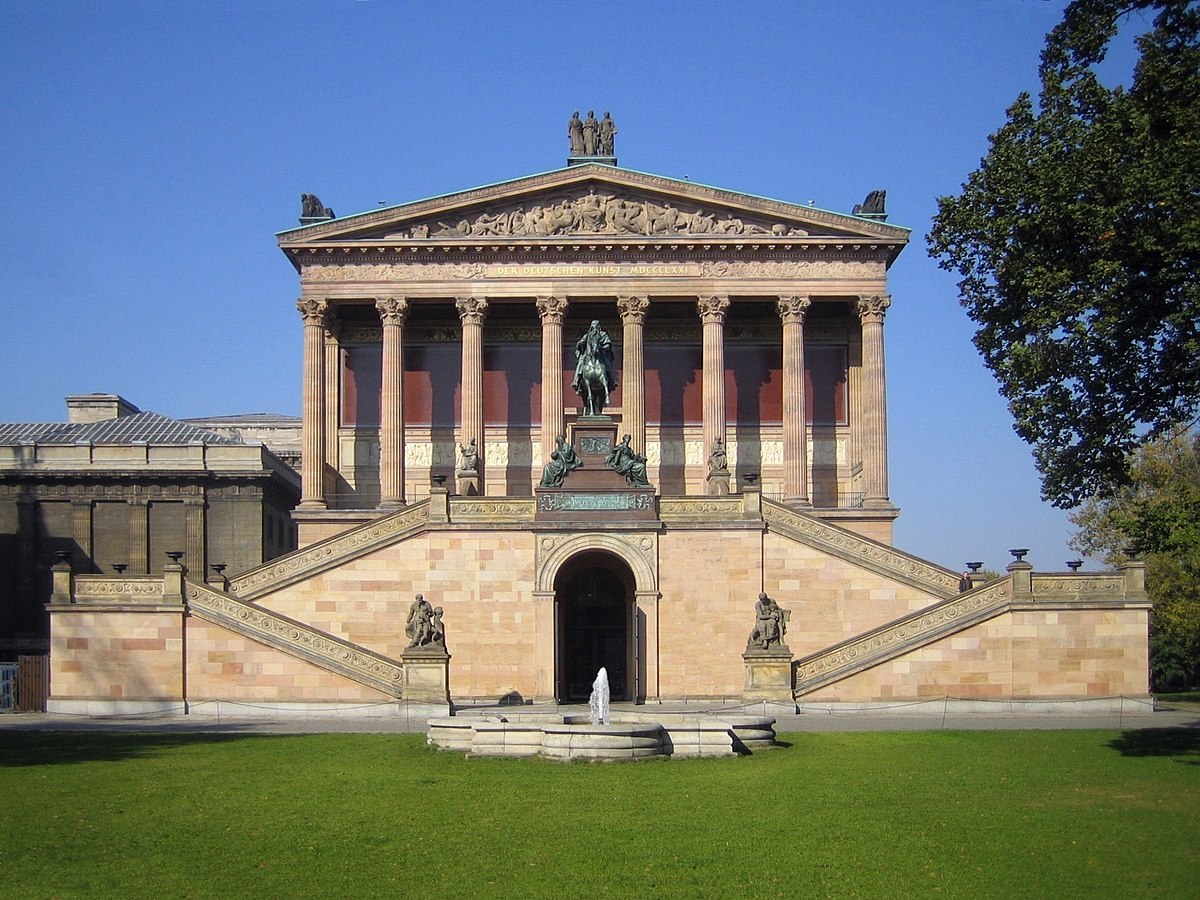
Alte Nationalgalerie
📍 Berlin, Germany
The Alte Nationalgalerie, an esteemed art museum located in Berlin’s Bezirk Mitte, is a cornerstone of cultural appreciation in Germany. This museum …