Overview
Ernst-Thälmann-Park, located in the heart of Berlin, is a significant green space that provides a welcome respite from the bustling urban environment surrounding it. This park, named after the German communist leader Ernst Thälmann, serves not only as a recreational area but also as a site steeped in the complex history of the region. With its expansive lawns, tree-lined pathways, and historical monuments, Ernst-Thälmann-Park offers visitors an opportunity to connect with both nature and history in a city known for its rich cultural heritage.
Covering a substantial area, the park is a vital part of Berlin’s commitment to providing green spaces for its residents and visitors alike. It attracts locals for leisurely strolls, picnics, and recreational activities, while also drawing in those interested in the historical significance of the site. The park is more than just a place to unwind; it reflects Berlin’s past and offers insights into the socio-political changes that have shaped the city.
Visitors can expect a blend of natural beauty and cultural reflection, making Ernst-Thälmann-Park a must-visit destination for anyone exploring Berlin’s diverse landscape. Whether you’re seeking a peaceful escape or an informative outing, this park has something to offer everyone.
History and Significance
Ernst-Thälmann-Park holds a notable place in Berlin’s history, not only for its namesake but also for its role in the urban fabric of the city. Named after Ernst Thälmann, a prominent figure in the German Communist Party during the early 20th century, the park symbolizes the political struggles and ideologies that have influenced Germany’s trajectory. Thälmann was a significant figure during the Weimar Republic and was ultimately executed during the Nazi regime, making his legacy a poignant reminder of the challenges faced by political movements in Germany.
The park was established in the mid-20th century as part of a broader initiative to create green spaces within urban environments, particularly in East Berlin. This development aligned with the goals of the government at the time, which aimed to promote a sense of community and well-being among residents. The park served as a gathering place for political events, community activities, and celebrations, reflecting the social dynamics of the era.
Culturally, Ernst-Thälmann-Park has been a site where various forms of artistic expression have taken place. From outdoor performances to artistic installations, the park continues to be a platform for creativity and community engagement. The presence of monuments and memorials within the park also serves as a reminder of the historical narratives connected to the site, allowing visitors to engage with the past while enjoying the natural surroundings.
Architecture and Features
Ernst-Thälmann-Park is characterized by its well-designed layout, which combines natural landscapes with elements of historical significance. The park features expansive lawns that provide ample space for relaxation and recreation. Towering trees line the pathways, offering shade and a serene environment for visitors. The careful landscaping invites exploration and leisurely walks, creating a harmonious blend of nature and urban life.
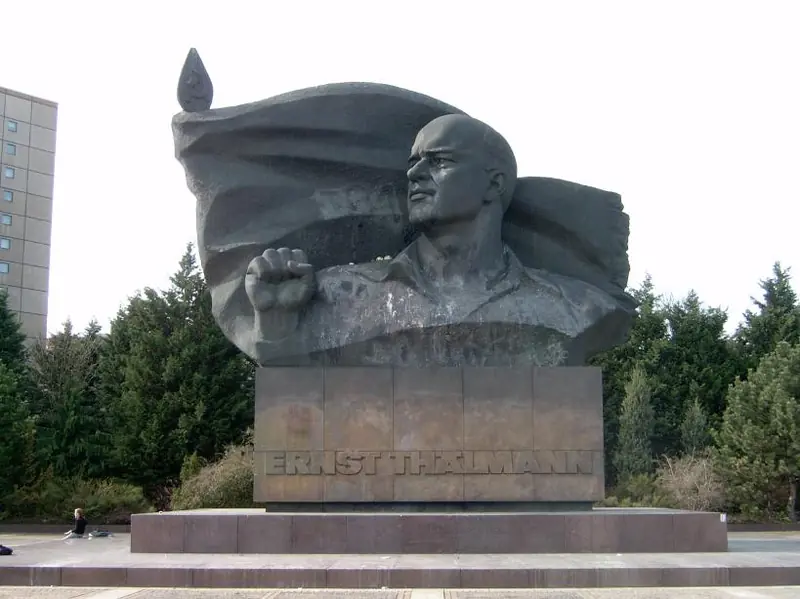
One of the most notable features of the park is the monument dedicated to Ernst Thälmann himself. This monument serves as a focal point for the park, drawing attention to the historical figure it honors. Surrounding the monument, visitors can find various artistic installations and sculptures that enhance the cultural atmosphere of the space. These artworks often reflect themes of community, resilience, and history, further enriching the visitor experience.
The park is designed to accommodate a range of activities, from casual strolling to organized events. Open spaces are available for picnics, games, and communal gatherings, making it a popular spot for families. Additionally, the pathways are suitable for running and cycling, catering to those seeking a more active experience. Overall, the architecture and features of Ernst-Thälmann-Park create an inviting environment, blending natural beauty with cultural significance.
Visiting Information
Ernst-Thälmann-Park is easily accessible via public transportation, with various options available for visitors. The nearby subway and bus stations provide convenient access points, allowing guests to explore the park without the need for a vehicle. The park’s central location within Berlin makes it a practical addition to any sightseeing itinerary.
When planning your visit, check the official website for current information regarding hours, entry fees, and any events that may be taking place. The park is generally open year-round, and visitors can expect to spend anywhere from one to several hours exploring its offerings, depending on their interests.
The best times to visit are during the spring and summer months when the flora is in full bloom, and the weather is conducive to outdoor activities. Early mornings or late afternoons can also provide a quieter experience, as these times tend to attract fewer crowds.
Ernst-Thälmann-Park is a family-friendly destination, with ample space for children to play and explore. The park’s layout encourages leisurely strolls, making it an excellent choice for all ages. Be prepared for a range of activities, from enjoying a peaceful moment in nature to participating in community events.
Nearby Attractions
While visiting Ernst-Thälmann-Park, consider exploring these nearby attractions to enhance your experience:
Karl-Marx-Allee: A significant thoroughfare that reflects the architecture and planning of East Berlin during the socialist era. Stroll along this iconic street to see remnants of the past.
Berliner Allee: A vibrant area nearby with shops, cafes, and eateries, perfect for a post-park refreshment.
East Side Gallery: Just a short distance away, this open-air gallery features murals painted on the remnants of the Berlin Wall, providing a poignant reminder of the city’s divided history.
Treptower Park: Located along the Spree River, this expansive park features beautiful gardens, walking paths, and a memorial to Soviet soldiers, offering additional green space for relaxation.
Frankfurter Tor: An architectural landmark that showcases the distinctive style of socialist classicism, making it a fascinating stop for architecture enthusiasts.
Insider Tips
For the best photographic opportunities, visit Ernst-Thälmann-Park during golden hours—early morning or late afternoon—when the light casts a warm glow over the landscape. This timing can enhance the natural beauty of the park and provide stunning backdrops for your photos.
To avoid larger crowds, consider visiting on weekdays or during off-peak hours. The park is popular among locals, especially on weekends, so planning your visit accordingly can lead to a more peaceful experience.
Practical Information
When visiting Ernst-Thälmann-Park, it’s advisable to bring essentials such as water, sunscreen, and comfortable walking shoes. The park’s expansive areas invite exploration, and comfortable attire will enhance your experience as you navigate the pathways and lawns.
Seasonal considerations are important as well. In the spring and summer, the park is vibrant with blooming flowers and greenery, while fall presents a beautiful palette of autumn colors. Winter may see fewer visitors, but the park can still be a serene place for a quiet walk.
Be sure to check for any seasonal events or activities that may be happening during your visit, as these can add an extra layer of enjoyment to your experience.
Frequently Asked Questions
How long should I spend visiting?
You can spend anywhere from one hour to a full day at Ernst-Thälmann-Park, depending on your interests and whether you plan to participate in activities or simply relax.
Is photography allowed?
Yes, photography is permitted, and the park offers many picturesque spots for capturing memorable images.
Are there guided tours?
While there may not be official guided tours of the park, visitors often explore at their own pace. Check for any events that might include guided elements.
What’s the best time to visit?
The best time to visit is during the spring and summer months when the park is in full bloom. Early mornings or late afternoons are ideal for avoiding crowds.
Is it wheelchair accessible?
The park is generally accessible, but it’s advisable to check specific pathways and areas for accessibility.
Can I buy tickets online?
There are no entry fees to Ernst-Thälmann-Park, so no tickets are required for access.
Are there restrooms and cafes?
Facilities may vary, so check the official website for the latest information on amenities available in the park.
What should I wear?
Dress comfortably and in layers, especially if you plan to spend extended time outdoors. Comfortable walking shoes are recommended for exploring the park.