Overview
The Equestrian Statue of Friedrich Wilhelm I, located in Berlin, Germany, is an iconic monument that pays tribute to one of the most significant figures in Prussian history. This statue captures the essence of the king known for his military reforms and contributions to the statecraft of Prussia, reflecting his impact on the region and beyond. Positioned strategically within the urban fabric of Berlin, the statue not only serves as a historical marker but also adds to the city’s rich cultural landscape.
Friedrich Wilhelm I, often referred to as the “Soldier King,” ruled in the early 18th century, a period marked by military innovation and territorial expansion for Prussia. The statue stands as a symbol of his legacy, where visitors can appreciate both its artistic merit and historical significance. As you approach, the impressive figure of the king on horseback commands attention, inviting contemplation of the past while being surrounded by the bustling life of modern Berlin.
The monument is situated in a vibrant area, making it a convenient stop for travelers exploring the city’s numerous attractions. Whether you are a history enthusiast or simply curious about Berlin’s cultural landmarks, a visit to the Equestrian Statue of Friedrich Wilhelm I promises a deeper understanding of the city’s heritage.
History and Significance
The Equestrian Statue of Friedrich Wilhelm I is emblematic of the artistic and political climate of its time. The statue was commissioned to honor Friedrich Wilhelm I, a king whose reign from 1713 to 1740 was characterized by a strong emphasis on military discipline and centralization of power. He was instrumental in shaping the foundations of the modern Prussian state, and his contributions to military reform laid the groundwork for Prussia’s future successes in European politics.
This monument reflects the era’s artistic styles, often characterized by grand and imposing representations of monarchs. Equestrian statues were a popular form of commemorating leaders, as they depicted not only power and authority but also a king’s connection to the military. The choice of a horse as a mode of representation is significant, symbolizing leadership, strength, and valor.
The statue’s location in Berlin further underscores its importance, as the city has long been a center of political power in Germany. Over the centuries, the site has witnessed numerous historical events, and the statue stands as a silent observer of the changing tides of history. Visitors to the monument can reflect on the evolution of Berlin and its role in shaping modern Europe, as Friedrich Wilhelm I’s policies had lasting implications that extended well beyond his reign.
In contemporary times, the statue continues to draw attention, serving as a focal point for discussions about Prussian history and its influence on German identity. It invites visitors to consider the complexities of leadership and the legacies left behind by historical figures.
Architecture and Features
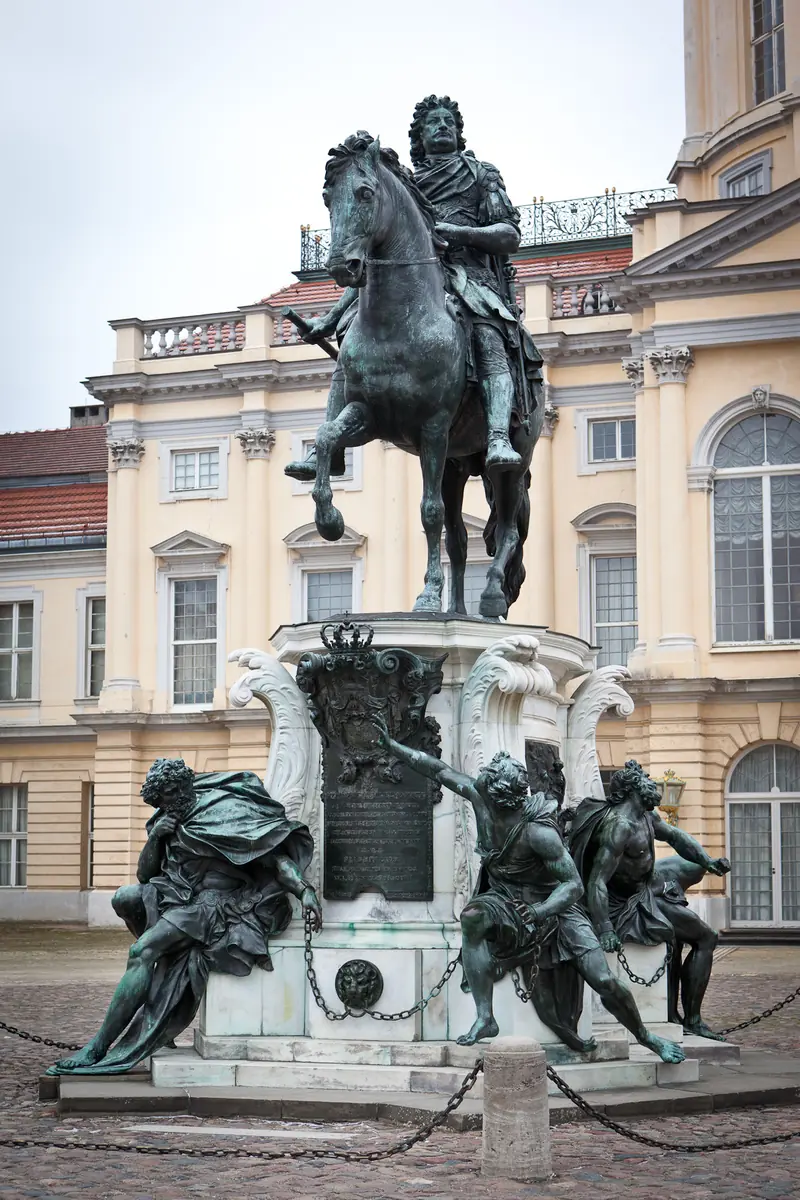
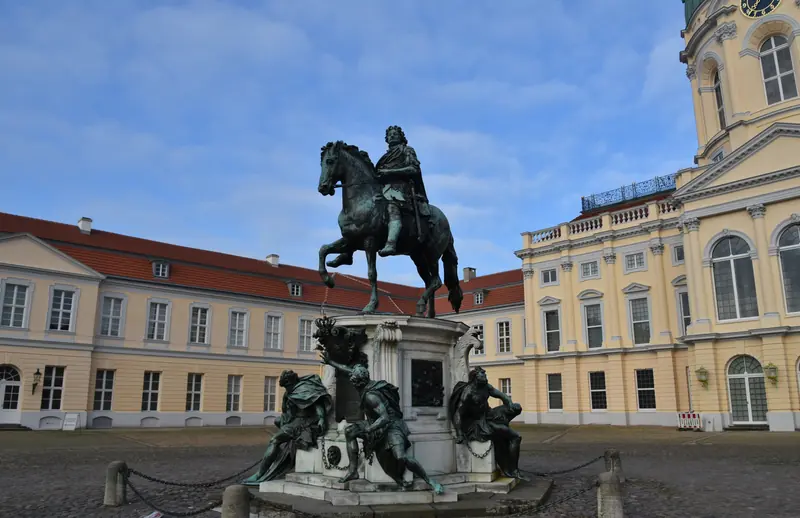
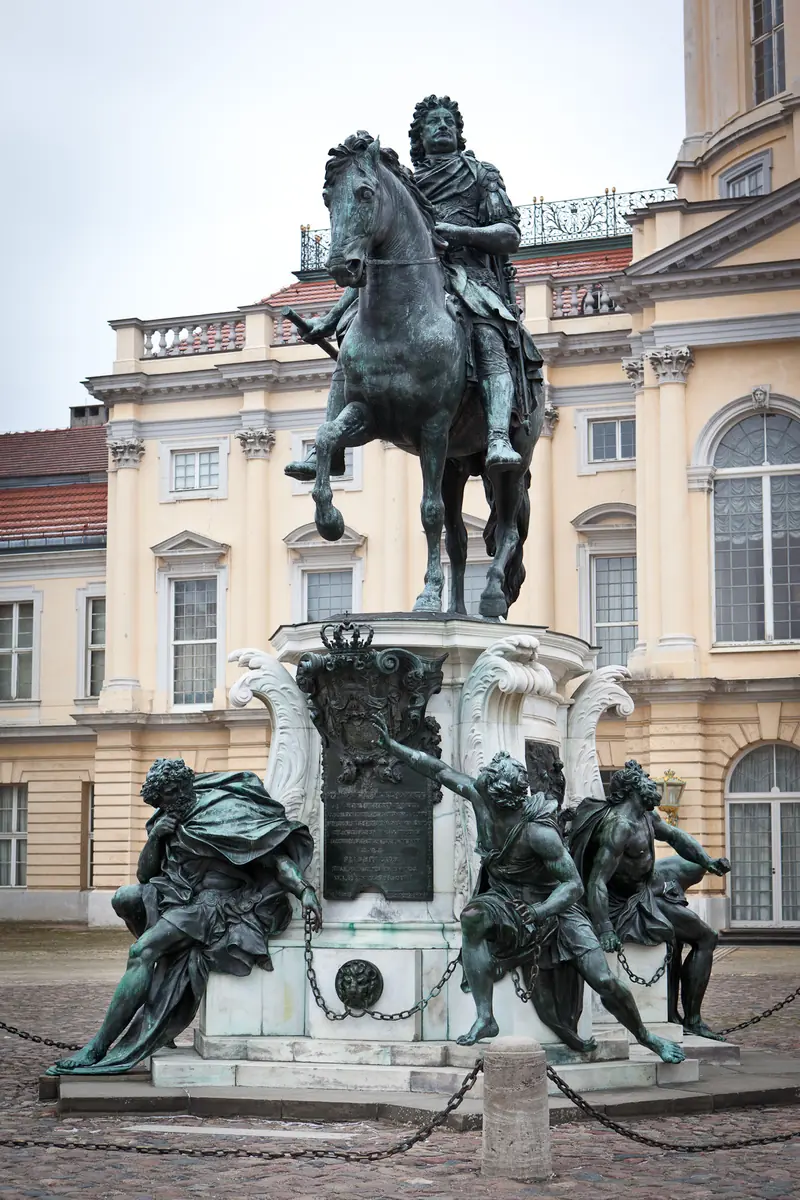
The Equestrian Statue of Friedrich Wilhelm I is notable for its impressive scale and intricate detailing. The statue depicts the king in full military regalia, mounted on a steed, which enhances the commanding presence of the figure. The craftsmanship involved in the statue reflects the artistic techniques of the period, showcasing a blend of realism and idealization.
The statue is designed to convey strength and authority, with Friedrich Wilhelm I portrayed in a posture that exudes confidence. The attention to detail in the king’s attire, including his uniform and insignia, provides insight into the military traditions of the time. The horse, too, is rendered with precision, symbolizing the important relationship between the monarch and his military forces.
Surrounding the statue, the base often features ornamental elements that complement the overall design. These elements serve to elevate the statue, both literally and figuratively, reinforcing its status as a significant monument within the urban landscape of Berlin.
Visitors are encouraged to take a moment to appreciate the artistry and historical context of the statue. Its prominent location allows for various viewing angles, providing a chance to capture the statue’s grandeur from different perspectives.
Visiting Information
Visiting the Equestrian Statue of Friedrich Wilhelm I is an accessible and enriching experience for travelers to Berlin. The statue is centrally located, making it easy to incorporate into a broader exploration of the city. Public transportation options, including buses and trains, are readily available for those traveling from various parts of Berlin. Check the official website for current information regarding access and transportation details.
While there is no formal entrance fee to view the statue, it is advisable to check the official website for hours and any potential events that may affect access. The area surrounding the monument is often lively, with local vendors and cafes, allowing visitors to enjoy the atmosphere while taking in the historical significance of the site.
To fully appreciate the statue, plan to spend at least 30 minutes to an hour at the site. This will provide ample time to explore the surrounding area, take photographs, and reflect on the historical context of the monument. The best times to visit are during the early morning or late afternoon when the lighting is optimal for photography, and the crowds are generally thinner.
Nearby Attractions
The Equestrian Statue of Friedrich Wilhelm I is situated in proximity to several notable attractions that enhance the cultural experience for visitors:
Potsdamer Platz: A bustling square known for its modern architecture, shops, and entertainment options. It is a great place to witness the juxtaposition of Berlin’s history and contemporary life.
The Berlin Wall Memorial: A short distance away, this site provides insight into the history of the Berlin Wall and its impact on the city and its residents.
Brandenburg Gate: One of Berlin’s most iconic landmarks, this neoclassical gate is a must-visit for anyone exploring the city, symbolizing unity and peace.
Tiergarten: Berlin’s expansive city park, perfect for a leisurely stroll or picnic, offers a respite from urban life while still being close to significant historical sites.
Reichstag Building: The seat of the German parliament, this historic building features a stunning glass dome that offers panoramic views of the city.
Insider Tips
To make the most of your visit to the Equestrian Statue of Friedrich Wilhelm I, consider the following tips:
Photography: Early morning or late afternoon provides the best lighting conditions for photographs. Try different angles to capture the statue’s details and surrounding scenery.
Crowd Avoidance: To enjoy a quieter experience, visit during weekdays rather than weekends, especially during the tourist season.
Practical Information
When visiting the Equestrian Statue of Friedrich Wilhelm I, it is advisable to bring essentials such as water, comfortable footwear, and a camera for capturing the experience. Seasonal considerations are important, as Berlin can have varying weather conditions throughout the year.
During the summer months, be prepared for heat and sun, while in the winter, dress warmly, as temperatures can drop significantly. It’s always wise to check the weather forecast before your visit to ensure a comfortable experience.
Frequently Asked Questions
How long should I spend visiting?
A visit typically takes about 30 minutes to an hour, allowing time for exploration and reflection.
Is photography allowed?
Yes, photography is allowed, and it is encouraged to capture the statue from various angles.
Are there guided tours?
Check local listings for guided tours that may include the statue as part of a larger historical exploration of Berlin.
What’s the best time to visit?
Early morning or late afternoon is ideal for visiting, as you will encounter fewer crowds and better lighting for photography.
Is it wheelchair accessible?
The area around the statue is generally accessible, but it’s advisable to check the official website for specific accessibility features.
Can I buy tickets online?
There is no entrance fee for the statue, but check the official website for any events or activities that may require tickets.
Are there restrooms and cafes?
While there may not be restrooms directly at the statue, nearby attractions typically offer facilities. Cafes are available in the surrounding area for refreshments.
What should I wear?
Dress comfortably for walking, and consider the weather conditions as they can vary throughout the year.
Photo Gallery