
Ephraim-Palais
Overview
Ephraim-Palais, an elegant Rokoko building situated in the heart of Berlin, serves as a cultural hub that invites visitors to explore the diverse history and artistry of the city. This art museum, part of the Stadtmuseum Berlin, hosts special exhibitions that delve into various themes related to Berlin’s rich cultural landscape. The museum’s setting offers a unique opportunity to engage with both the architectural beauty of the building itself and the dynamic exhibitions within.
Located in Bezirk Mitte, Ephraim-Palais is easily accessible for both locals and tourists alike. The museum stands as an important site for those looking to understand the historical narrative of Berlin through art and curated displays. Whether you are an art enthusiast or a casual visitor, Ephraim-Palais promises a thought-provoking experience that captures the essence of Berlin’s evolving cultural identity.
History and Significance
Ephraim-Palais has played a significant role in the cultural history of Berlin. Originally constructed as a private residence, this building exemplifies the architectural style of the Rokoko period, characterized by its ornamental and decorative elements. Over the years, the structure has transitioned from a private home to a public museum, reflecting the changing dynamics of Berlin’s urban landscape.
As part of the Stadtmuseum Berlin, Ephraim-Palais hosts a range of special exhibitions that explore themes related to the city’s history and culture. These exhibitions often include works from various artistic disciplines, providing insights into both contemporary and historical contexts. The museum’s focus on Berlin’s diverse narratives allows it to serve as an important resource for understanding the complexities of the city’s past and present.
The significance of Ephraim-Palais extends beyond its exhibitions; it also provides a venue for cultural events and educational activities. By fostering a deeper appreciation for Berlin’s heritage, the museum contributes to the ongoing dialogue about the city’s identity and its place in the broader scope of German history.
Architecture and Features
Ephraim-Palais is a stunning example of Rokoko architecture, characterized by its intricate detailing and elegant proportions. The façade of the building features ornate decorations that exemplify the artistic styles of the 18th century, capturing the aesthetic sensibilities of that era. Visitors are often struck by the harmonious blend of form and function that defines the museum’s exterior.
Inside, the museum is designed to accommodate a variety of exhibitions, allowing the space to be both versatile and inviting. The galleries are thoughtfully arranged to guide visitors through the curated displays, enhancing the overall experience. The architectural features, including grand staircases and well-preserved rooms, provide a glimpse into the regal lifestyle that once characterized the building.
Natural light floods many of the exhibition spaces, highlighting the artworks and creating a welcoming atmosphere for viewers. The combination of historical architecture and contemporary art makes Ephraim-Palais a unique destination for those interested in both artistic expression and architectural beauty.
Visiting Information
Ephraim-Palais is conveniently located in Bezirk Mitte, making it accessible via various modes of transportation. Public transport options include buses and trams that service the area, with several stops within walking distance of the museum. Visitors driving to the museum may find parking available nearby, but it is advisable to check for any restrictions or fees.
For the most accurate information regarding opening hours and ticket prices, check the official website. Generally, visitors can expect to spend around one to two hours exploring the museum, depending on their level of interest in the exhibitions on display. The best times to visit are during weekdays when the museum is typically less crowded, allowing for a more intimate experience with the art and artifacts.
As you plan your visit, consider the ongoing exhibitions, as they can greatly enhance your understanding of Berlin’s cultural landscape. The museum often features works from local artists as well as thematic exhibitions that connect to broader historical narratives.
Nearby Attractions
Ephraim-Palais is located in a vibrant cultural district, making it easy to explore several nearby attractions:
Museum Island: A UNESCO World Heritage Site, Museum Island is home to several renowned museums, including the Pergamon Museum and the Altes Museum, showcasing art and artifacts from ancient civilizations.
Berlin Cathedral: This stunning Protestant cathedral, known for its impressive dome and beautiful interiors, is just a short walk away and offers guided tours for visitors interested in its history.
Nikolaiviertel: This historic neighborhood, known for its charming streets and medieval architecture, provides a glimpse into Berlin’s past and is filled with shops and cafés to explore.
Alexanderplatz: A bustling public square, Alexanderplatz is famous for its iconic TV tower and serves as a central hub for shopping, dining, and entertainment.
Brandenburg Gate: A symbol of Berlin, this neoclassical monument is located not far from the museum and is a must-see for any visitor to the city.
Insider Tips
To make the most of your visit to Ephraim-Palais, consider these insider tips:
- Photography: Check the museum’s policy on photography, as some exhibitions may have restrictions.
- Crowd Avoidance: To avoid larger crowds, plan your visit during the late morning or early afternoon on weekdays. This will allow for a more relaxed exploration of the exhibitions.
- Guided Tours: If available, consider joining a guided tour for a deeper understanding of the exhibitions and the museum’s history.
Practical Information
When visiting Ephraim-Palais, it is advisable to bring along a few essentials to enhance your experience. Comfortable walking shoes are recommended, as you may spend considerable time exploring the exhibits and nearby attractions. Depending on the time of year, consider dressing in layers, as indoor temperatures can vary.
Seasonal considerations may also play a role in your visit. Spring and summer often bring more tourists, while the fall and winter months may provide a quieter experience. Regardless of the season, be sure to check the official website for details on any special events or exhibitions that may coincide with your visit.
Frequently Asked Questions
How long should I spend visiting?
Visitors typically spend between one to two hours exploring Ephraim-Palais, depending on their interest in the exhibitions.
Is photography allowed?
Photography policies may vary depending on the exhibition. It is best to check with the museum regarding specific guidelines.
Are there guided tours?
The museum may offer guided tours; check the official website for availability and scheduling.
What’s the best time to visit?
Weekdays, especially late mornings or early afternoons, tend to be less crowded, providing a more enjoyable experience.
Is it wheelchair accessible?
Ephraim-Palais strives to accommodate all visitors, but it is advisable to check the official website for specific accessibility information.
Can I buy tickets online?
For the latest information on ticket availability and purchasing options, check the official website.
Are there restrooms and cafes?
Facilities such as restrooms may be available on-site. For dining options, consider nearby cafés or restaurants in the surrounding area.
What should I wear?
Wear comfortable clothing and shoes suitable for walking, as you may be exploring both the museum and nearby attractions.
More in Berlin

144., 176. und 184. Gemeindeschule
📍 Berlin, Germany
The 144., 176. und 184. Gemeindeschule, an architectural ensemble located in the vibrant city of Berlin, stands as a noteworthy example of educational …

Academy of Arts (Hanseatenweg)
📍 Berlin, Germany
The Academy of Arts (Hanseatenweg) stands as an emblem of Berlin’s vibrant cultural landscape, located in the historic Hansaviertel district. Renowned …

Academy of Arts, Berlin
📍 Berlin, Germany
The Academy of Arts in Berlin is not just a museum; it is a prominent national institution dedicated to the advancement of the arts in Germany. …

Academy of the Konrad-Adenauer-Stiftung
📍 Berlin, Germany
The Academy of the Konrad-Adenauer-Stiftung, located in the heart of Berlin, is not just a foundation but a hub of intellectual discourse and …

ACUD
📍 Berlin, Germany
Located in the heart of Berlin’s Bezirk Mitte, ACUD serves as a vibrant cultural center and cinema, showcasing an array of films and events that …

Admiralspalast
📍 Berlin, Germany
Admiralspalast is a prominent theatre and event venue located in the heart of Berlin, Germany. This architectural gem serves as a cultural hub, …
More Art Museums

Aachen Cathedral Treasury
📍 North Rhine-Westphalia, Germany
Aachen Cathedral Treasury, located in the historic city of Aachen, Germany, is a remarkable art museum that houses an impressive collection of …

Abteiberg Museum
📍 North Rhine-Westphalia, Germany
In the heart of Mönchengladbach, Germany, the Abteiberg Museum stands out as a prominent destination for art enthusiasts and cultural explorers alike. …

Akademisches Kunstmuseum
📍 North Rhine-Westphalia, Germany
In the heart of Bonn, Germany, lies the Akademisches Kunstmuseum, an art museum that invites visitors to explore a diverse collection of artworks …

Albertinum
📍 Saxony, Germany
Albertinum is a prominent art museum located in the heart of Dresden, Germany, serving as a significant cultural institution in the region. …

Albrecht Dürer's House
📍 Bavaria, Germany
Albrecht Dürer’s House stands as a significant cultural landmark in Nuremberg, Germany, celebrating the life and work of one of the Renaissance’s most …
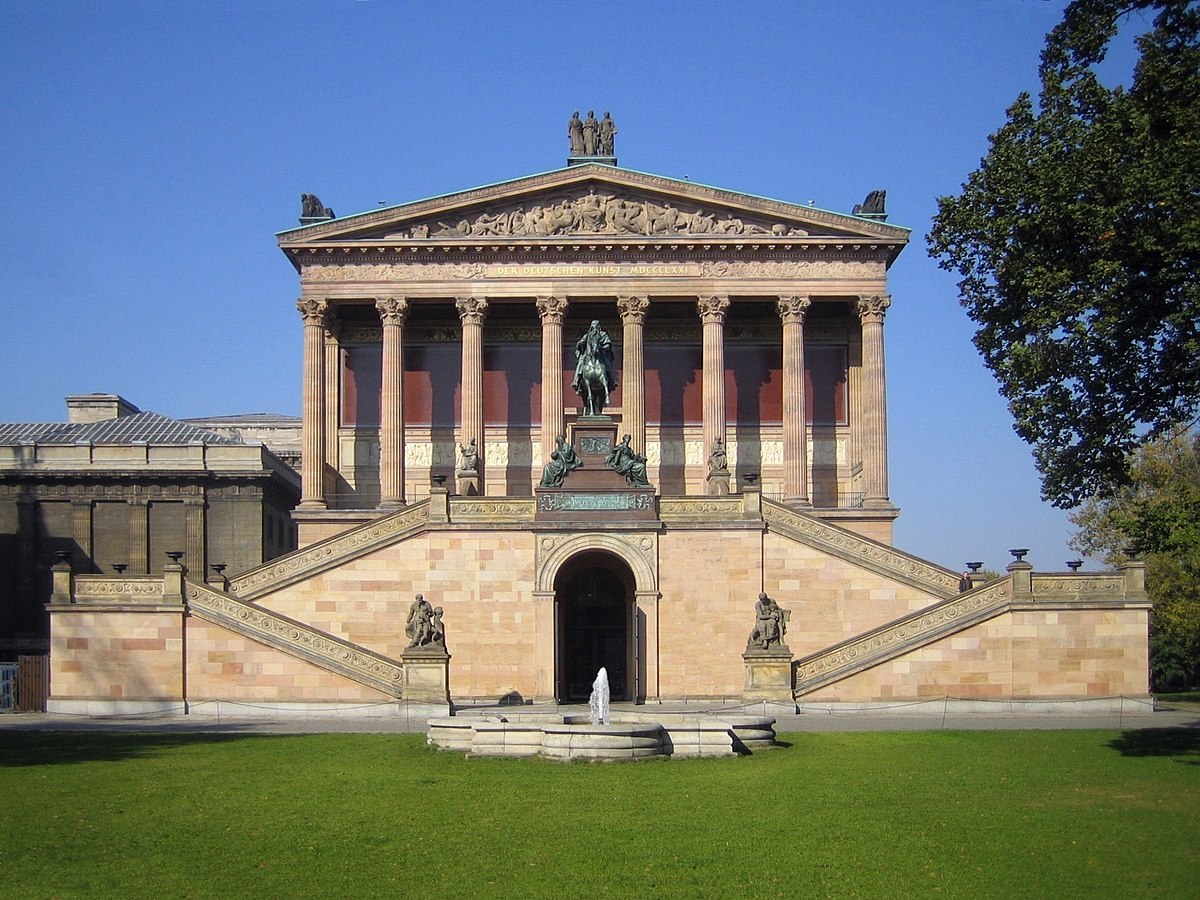
Alte Nationalgalerie
📍 Berlin, Germany
The Alte Nationalgalerie, an esteemed art museum located in Berlin’s Bezirk Mitte, is a cornerstone of cultural appreciation in Germany. This museum …