Ensemble Eigenes Heim
Overview
In the heart of Fürth, Germany, lies the Ensemble Eigenes Heim, a striking architectural ensemble that captures the essence of early 20th-century design. This significant collection of buildings not only reflects the innovative spirit of its time but also serves as a cultural landmark within the region. The Ensemble Eigenes Heim is a prime example of communal living architecture, showcasing how design can foster community and enhance daily life. Visitors to this site can expect to be immersed in a unique architectural narrative that combines historical significance with aesthetic appeal.
Situated in the vibrant city of Fürth, the ensemble is easily accessible, making it a worthwhile stop for those exploring southern Germany. The structures within the ensemble tell a story of social reform, urban development, and architectural innovation. The site invites you to explore its unique characteristics and the way these buildings have shaped community life in the area. A visit here promises not just visual inspiration, but a deeper understanding of the architectural movements that influenced communal living in the 20th century.
History and Significance
The Ensemble Eigenes Heim is a remarkable representation of early 20th-century architectural philosophy, particularly the concepts surrounding communal living and social reform. This ensemble was designed with the intention of creating affordable housing that fostered a sense of community among its residents. During a time when urbanization was rapidly changing the landscape of German cities, such initiatives were crucial in providing families with the opportunity to live in harmonious environments.
The architectural ensemble aligns with broader social movements of the era, emphasizing the importance of community and collective living. The design reflects the aspirations of the time, where urban planners and architects sought to respond to the needs of the growing population. By prioritizing functional design and communal spaces, the Ensemble Eigenes Heim became an important model for future projects across Germany and beyond.
Culturally, this ensemble holds significance not only for its architectural merit but also for its role in shaping the identity of Fürth. It stands as a reminder of the city’s historical commitment to social equity and innovative urban planning. As you explore the site, you can appreciate how the blend of practical living spaces and aesthetic design contributed to a vibrant community atmosphere.
Architecture and Features
The architectural design of the Ensemble Eigenes Heim is characterized by its functional yet aesthetically pleasing structures. The ensemble consists of several buildings that exhibit a harmonious blend of form and function, reflecting the ideals of the era. The use of durable materials and thoughtful layouts showcases the architects’ commitment to creating a sustainable living environment for residents.
Notable features of the ensemble include spacious communal areas that encourage social interaction among residents. This emphasis on community is evident in the design, which integrates shared spaces into the living environment. The layout promotes a sense of belonging and fosters relationships among neighbors, which was a revolutionary concept at the time of construction.
The buildings themselves are marked by distinct architectural elements that highlight the design principles of the period. Clean lines, functional layouts, and careful attention to detail create a cohesive aesthetic throughout the ensemble. Each structure contributes to the overall narrative of communal living, emphasizing the importance of both individual and collective spaces.
As you explore the Ensemble Eigenes Heim, you’ll find that the architecture not only serves a practical purpose but also tells a story of a time when social reform and innovation were at the forefront of urban design. Visitors can appreciate how these architectural choices continue to resonate with contemporary ideas about community and sustainable living.
Visiting Information
Reaching the Ensemble Eigenes Heim is straightforward, given its location in Fürth. The site is well-connected by public transport, making it easily accessible for visitors traveling from nearby cities. Whether you’re arriving by train, bus, or car, you’ll find a range of options to suit your travel preferences.
When planning your visit, it’s essential to check the official website for current information regarding hours and prices, as these can vary throughout the year. The site typically welcomes visitors throughout the week, and specific events or exhibitions may also be scheduled, enhancing the experience.
On average, visitors may wish to allocate a couple of hours to explore the ensemble fully. This allows ample time to appreciate the architectural details and reflect on the cultural significance of the site. The best times to visit are often during the spring and early autumn when the weather is mild, making it ideal for leisurely exploration.
Expect to find informative signage throughout the site, providing context and insights into the architectural features and historical background. The atmosphere is generally calm, allowing for a reflective experience as you walk through this significant architectural ensemble.
Nearby Attractions
While visiting the Ensemble Eigenes Heim, you may want to explore other nearby attractions that complement your experience:
Stadtkirche St. Michael: A historic church located in the city center, known for its impressive architecture and beautiful stained glass windows.
Fürth City Museum: Delve into the local history of Fürth through a collection of exhibits that showcase the city’s development and cultural heritage.
Fritz Müller Park: A lovely green space perfect for a leisurely stroll or a picnic, offering a break from the urban environment.
Café am Stadtpark: Enjoy a delightful coffee or snack at this charming café, which is conveniently located near the park and museum.
Fürth’s Old Town: Take a walk through the picturesque streets of Fürth’s Old Town, where you can admire beautifully preserved buildings and charming squares.
Insider Tips
For photography enthusiasts, the Ensemble Eigenes Heim offers excellent opportunities to capture its architectural beauty. Early morning or late afternoon provides the best natural light, allowing you to play with shadows and highlights. Additionally, consider exploring different angles to showcase the ensemble’s unique features.
To avoid crowds, aim to visit during weekdays rather than weekends, as this can provide a more peaceful experience. If you’re interested in specific architectural details, taking your time to observe the intricacies of the designs can enhance your understanding and appreciation of the ensemble.
Practical Information
When preparing for your visit to Ensemble Eigenes Heim, consider bringing a few essentials. Comfortable walking shoes are advisable, as you’ll want to explore the site thoroughly. A camera or smartphone can help you document your experience, though be sure to check the guidelines regarding photography.
Seasonal considerations may also affect your visit. If you’re traveling in winter, be prepared for cold weather and shorter daylight hours. In contrast, spring and summer offer a more pleasant climate for outdoor exploration.
Lastly, be sure to check the official website for any updates on events or exhibitions that may be taking place during your visit, as these can enrich your experience at the Ensemble Eigenes Heim.
Frequently Asked Questions
How long should I spend visiting?
Most visitors find that 1-2 hours is sufficient to explore the Ensemble Eigenes Heim and appreciate its architectural features.
Is photography allowed?
Yes, photography is generally allowed, but it’s advisable to check for any specific restrictions at the site.
Are there guided tours?
Check the official website for information on guided tours, as these may be offered depending on the season and visitor interest.
What’s the best time to visit?
The best times to visit are typically during the spring and early autumn when the weather is mild and conducive to outdoor exploration.
Is it wheelchair accessible?
Check the official website for specific accessibility information to ensure a comfortable visit.
Can I buy tickets online?
It’s recommended to check the official website for information regarding ticket purchases and online availability.
Are there restrooms and cafes?
While facilities may be available, check the official website for the most current information regarding amenities.
What should I wear?
Dress comfortably for walking, and consider the weather conditions during your visit to ensure a pleasant experience.
More in Bavaria

8. November 1939 (Denkmal)
📍 Bavaria, Germany
The 8. November 1939 (Denkmal) stands as a poignant monument in Munich, Germany, marking a significant moment in the nation’s history. Dedicated to …

Abbey of St. Nikola in Passau
📍 Bavaria, Germany
The Abbey of St. Nikola in Passau stands as a significant religious and cultural landmark in this historic German city. Located at coordinates …

Abensbergerdenkmal
📍 Bavaria, Germany
The Abensbergerdenkmal, a notable monument located in Freising, Upper Bavaria, Germany, serves as an evocative reminder of the region’s historical and …
Abrechen (München)
📍 Bavaria, Germany
Abrechen in München is a bridge that plays a significant role in the connectivity of this bustling German city. Located at coordinates 48.1357, …
Abschnittsbefestigung Andechs
📍 Bavaria, Germany
The Abschnittsbefestigung Andechs, a striking castle located in the scenic region of Andechs, Germany, offers a fascinating glimpse into the …
Abschnittsbefestigung im Taitinger Holz
📍 Bavaria, Germany
The Abschnittsbefestigung im Taitinger Holz represents an intriguing chapter in Germany’s medieval architectural narrative. Located in Bavaria, this …
More Architectural Ensembles

144., 176. und 184. Gemeindeschule
📍 Berlin, Germany
The 144., 176. und 184. Gemeindeschule, an architectural ensemble located in the vibrant city of Berlin, stands as a noteworthy example of educational …

Adelheidstraße 3–7, 9–12, 12a, 14, 15, 22–31, Amelungstraße 1, Friedrich-Ebert-Platz
📍 Lower Saxony, Germany
In the heart of Quedlinburg, Germany, lies a captivating architectural ensemble that reflects the town’s historical significance and cultural …

Aegidiimarkt
📍 Lower Saxony, Germany
Aegidiimarkt is a captivating architectural ensemble located in the heart of Münster, Germany. This vibrant square not only serves as a hub for local …
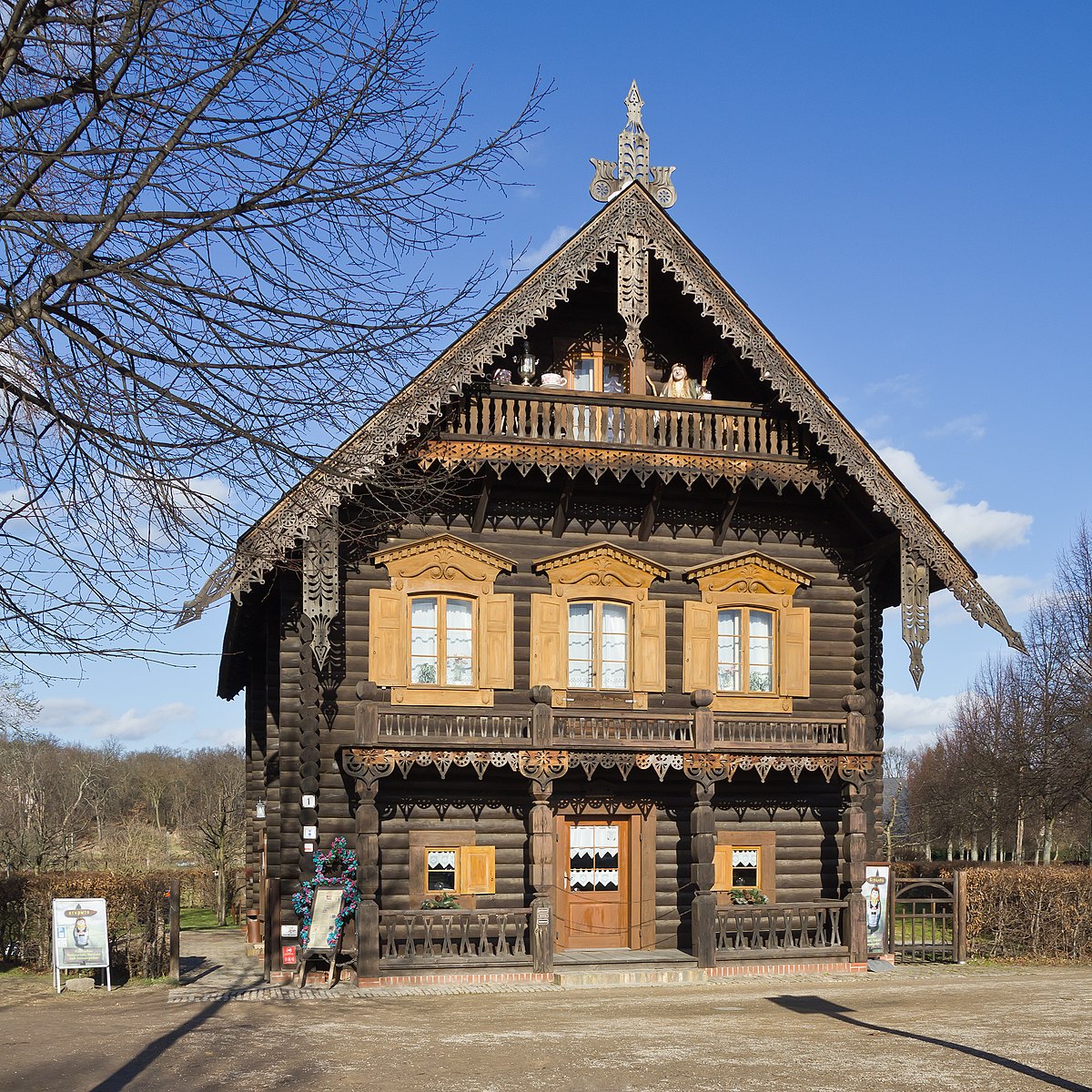
Alexandrowka
📍 Brandenburg, Germany
Located in the picturesque city of Potsdam, Germany, Alexandrowka is an intriguing architectural ensemble that reflects a unique blend of Russian and …

Alhauser Hammer
📍 North Rhine-Westphalia, Germany
Alhauser Hammer is a remarkable architectural ensemble located in Ennepetal, Germany, known for its historical significance as a water-driven hammer …

Alsdorfer Ölmühle
📍 North Rhine-Westphalia, Germany
The Alsdorfer Ölmühle, an architectural ensemble located in the heart of Alsdorf, Germany, is a remarkable example of a traditional watermill that …