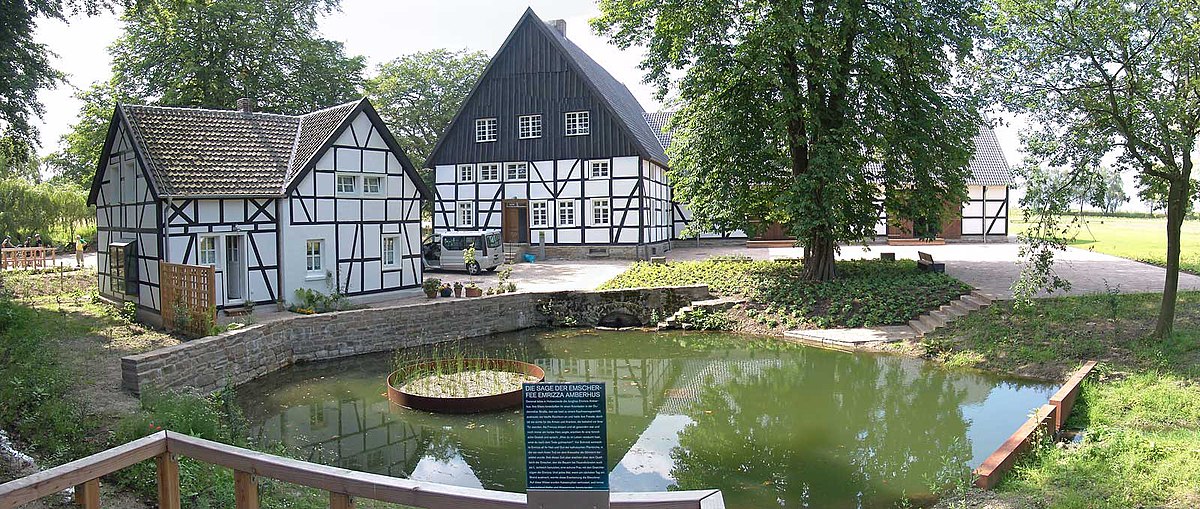
Emscherquellhof
Overview
Emscherquellhof, an architectural ensemble located in the Holzwickede region of Germany, offers visitors a unique glimpse into the traditional craftsmanship and agricultural heritage of the area. Situated east of Dortmund, this site draws upon its historical significance and architectural beauty, making it an essential stop for those interested in cultural exploration. The ensemble consists of a half-timbered farm complex, known locally as a Fachwerk-Hofanlage, which exemplifies the unique style and construction techniques of the region.
As you approach Emscherquellhof, the surrounding landscape complements the historical structure, creating a serene environment that invites exploration. This site not only preserves the architectural aesthetics of the past but also serves as a focal point for understanding the agricultural practices that have shaped the local community over centuries. Each corner of the ensemble tells a story, allowing visitors to appreciate the intricate details and historical relevance that characterize this cultural landmark.
History and Significance
The Emscherquellhof stands as a significant representation of the agricultural heritage prevalent in the Holzwickede region. The construction of such architectural ensembles reflects the historical reliance on farming and local resources that defined the lives of people in this area. The site’s design, characterized by its half-timbered style, is indicative of the regional architectural traditions that have been passed down through generations, showcasing the skilled craftsmanship of artisans from the past.
While specific historical dates and events may not be documented, the architectural ensemble is deeply embedded in the cultural memory of the region. Its very existence highlights the importance of agriculture and rural life in shaping the social and economic fabric of Holzwickede. The Emscherquellhof serves as a reminder of the significance of sustainable practices and local heritage, emphasizing the connection between the community and its environment.
In modern times, the site has become a focal point for cultural events and educational programs, linking the past with the present. By fostering an appreciation for traditional farming practices and local history, Emscherquellhof plays an essential role in preserving the identity of Holzwickede. The ensemble is not merely a relic of the past; it continues to engage visitors and locals alike, fostering a sense of community and shared heritage.
Architecture and Features
The architectural ensemble of Emscherquellhof showcases the distinctive half-timbered construction that is characteristic of the region. The Fachwerk-Hofanlage features intricate wooden frameworks, which are both functional and aesthetically pleasing. These designs not only reflect the architectural trends of the time but also demonstrate the advanced building techniques employed by local craftsmen.
Visitors will notice the careful attention to detail in the timber framework, which is often filled with wattle and daub or brickwork, creating a harmonious blend of materials. The layout of the farm complex is practical, reflecting its use for agricultural purposes. Various buildings within the ensemble, including residential quarters and storage facilities, are arranged to facilitate the daily operations of farm life.
The surrounding landscape further enhances the architectural experience, with gardens and green spaces that highlight the site’s connection to nature. The thoughtful integration of the buildings with the environment reflects a sustainable approach to architecture, emphasizing harmony between human habitation and the natural world. Each aspect of the Emscherquellhof serves to illustrate the historical significance of agricultural practices in shaping both the physical and cultural landscape of the region.
Visiting Information
Visiting Emscherquellhof provides an opportunity to immerse yourself in the region’s agricultural heritage. The site is accessible via various modes of transport, making it convenient for both locals and travelers. Whether you choose to drive or use public transportation, reaching the ensemble is straightforward, with ample signage guiding the way.
Check the official website for current information regarding opening hours and admission prices, as these can vary throughout the year. Upon arrival, visitors can expect a welcoming atmosphere, with staff often on hand to provide insights into the site’s history and significance. A visit typically requires a few hours, allowing ample time to explore the architectural features and appreciate the surrounding landscape.
The best times to visit Emscherquellhof are during the spring and summer months, when the gardens are in full bloom and the weather is favorable for outdoor exploration. Special events and cultural programs may also be scheduled during this time, adding to the overall experience.
Nearby Attractions
Emscherquellhof is conveniently located near several other notable sites that enrich the cultural experience for visitors:
Kunstmuseum Bochum: An art museum featuring a diverse collection of modern and contemporary art, offering a vibrant cultural experience.
St. Nikolaus Church: A historic church nearby, known for its architectural beauty and serene atmosphere, inviting quiet reflection.
Dortmund U: A cultural center housed in a former brewery, showcasing contemporary art and media while providing a lively space for events and exhibitions.
Westfalenpark: A large urban park in Dortmund, ideal for leisurely strolls, picnics, and enjoying the natural beauty of the region.
LWL Industrial Museum: Located slightly further away, this museum offers insights into the industrial heritage of the region, providing a contrast to the agricultural focus of Emscherquellhof.
Insider Tips
To make the most of your visit to Emscherquellhof, consider bringing a camera to capture the intricate details of the architectural ensemble. The interplay of light and shadow on the timber framework can create stunning photographs, particularly during the golden hours of sunrise and sunset.
To avoid crowds, try visiting during weekdays or early in the morning, as weekends may attract more visitors. This can enhance your experience, allowing for a more intimate exploration of the site.
Practical Information
When planning your visit to Emscherquellhof, it’s advisable to wear comfortable footwear suitable for walking, as you will likely be exploring the grounds extensively. Additionally, consider bringing along a water bottle and snacks, as facilities may vary.
Seasonal considerations are important; while spring and summer offer ideal weather for outdoor activities, autumn can provide a different charm with changing foliage. Be sure to check the official website for any seasonal events or programs that may enhance your visit.
Frequently Asked Questions
How long should I spend visiting?
A visit to Emscherquellhof typically takes a few hours, allowing you to fully explore the architectural ensemble and the surrounding area.
Is photography allowed?
Yes, photography is generally permitted, so feel free to capture the beautiful architecture and scenery.
Are there guided tours?
Check the official website for information regarding guided tours, as they may provide additional insights into the history and significance of the site.
What’s the best time to visit?
The best times to visit are during the spring and summer months when the gardens are vibrant, and the weather is pleasant.
Is it wheelchair accessible?
Check the official website for details on accessibility options, as conditions may vary.
Can I buy tickets online?
Check the official website for information on ticket purchasing options, including online availability.
Are there restrooms and cafes?
Facilities may vary, so check the official website for information on available amenities during your visit.
What should I wear?
Wear comfortable clothing and footwear suitable for walking, as you will be exploring both the buildings and the grounds.
More in Lower Saxony

2000 Jahre Christentum
📍 Lower Saxony, Germany
The “2000 Jahre Christentum,” a prominent statue located in Brunswick, Germany, serves as a significant cultural landmark that reflects the rich …
A. Heucke
📍 Lower Saxony, Germany
A. Heucke, located in the historic town of Gatersleben in Germany’s Seeland region, represents a significant chapter in the story of industrial …

Aalto Theatre
📍 Lower Saxony, Germany
The Aalto Theatre in Essen, Germany, is a prominent cultural landmark that attracts both local and international visitors. Renowned for its …

Aasee
📍 Lower Saxony, Germany
Aasee is a picturesque lake located in the town of Ibbenbüren, Germany, serving as a popular destination for both locals and visitors alike. This …
Abgunst Mine
📍 Lower Saxony, Germany
Abgunst Mine, located in the industrial heart of Essen, Germany, is a significant heritage site that represents the country’s rich mining history. As …

Accumer Mühle
📍 Lower Saxony, Germany
Accumer Mühle is a captivating windmill located in Schortens, Germany, that showcases the remarkable engineering of traditional European mills. This …
More Architectural Ensembles

144., 176. und 184. Gemeindeschule
📍 Berlin, Germany
The 144., 176. und 184. Gemeindeschule, an architectural ensemble located in the vibrant city of Berlin, stands as a noteworthy example of educational …

Adelheidstraße 3–7, 9–12, 12a, 14, 15, 22–31, Amelungstraße 1, Friedrich-Ebert-Platz
📍 Lower Saxony, Germany
In the heart of Quedlinburg, Germany, lies a captivating architectural ensemble that reflects the town’s historical significance and cultural …

Aegidiimarkt
📍 Lower Saxony, Germany
Aegidiimarkt is a captivating architectural ensemble located in the heart of Münster, Germany. This vibrant square not only serves as a hub for local …
Alexandrowka
📍 Brandenburg, Germany
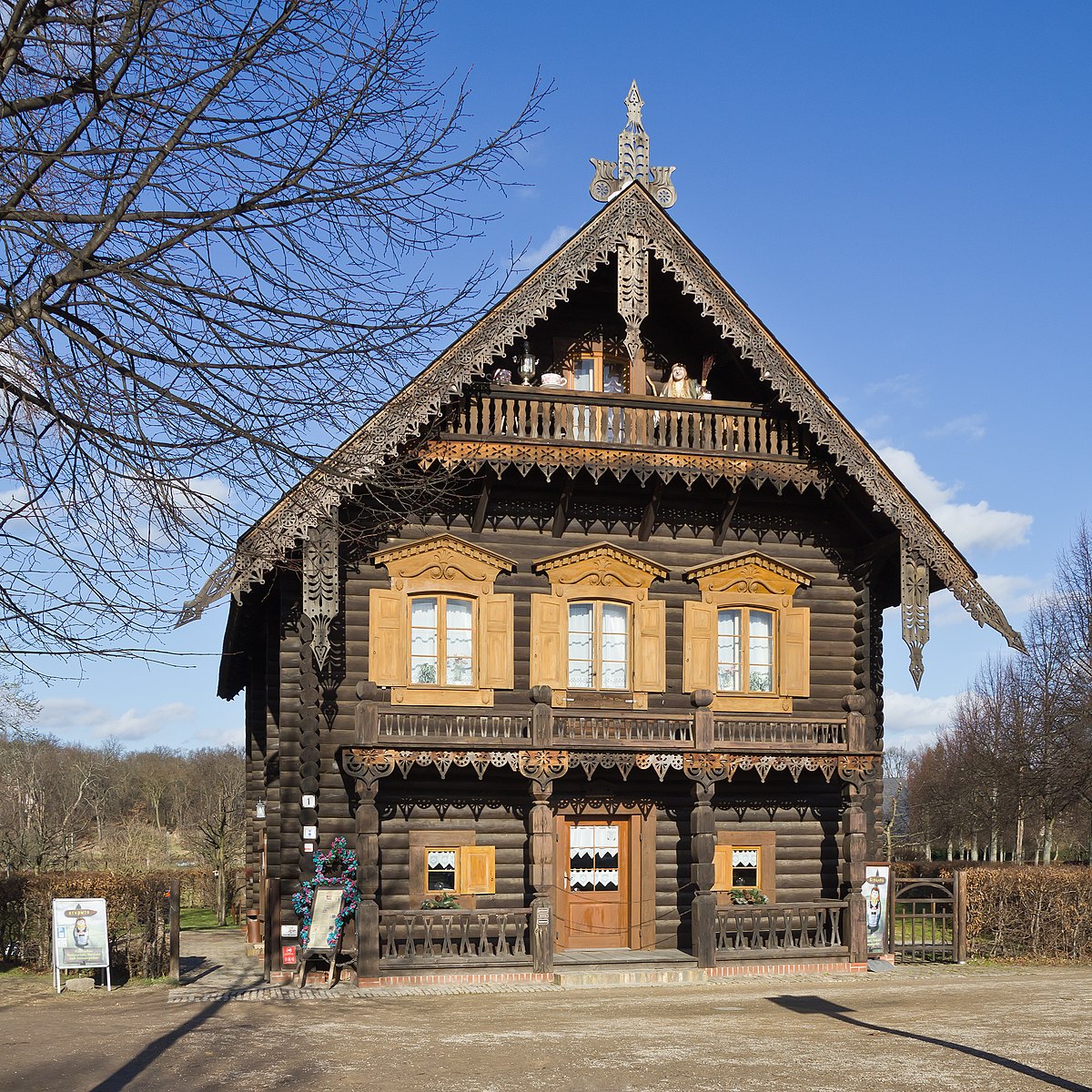
Located in the picturesque city of Potsdam, Germany, Alexandrowka is an intriguing architectural ensemble that reflects a unique blend of Russian and …

Alhauser Hammer
📍 North Rhine-Westphalia, Germany
Alhauser Hammer is a remarkable architectural ensemble located in Ennepetal, Germany, known for its historical significance as a water-driven hammer …

Alsdorfer Ölmühle
📍 North Rhine-Westphalia, Germany
The Alsdorfer Ölmühle, an architectural ensemble located in the heart of Alsdorf, Germany, is a remarkable example of a traditional watermill that …