Overview
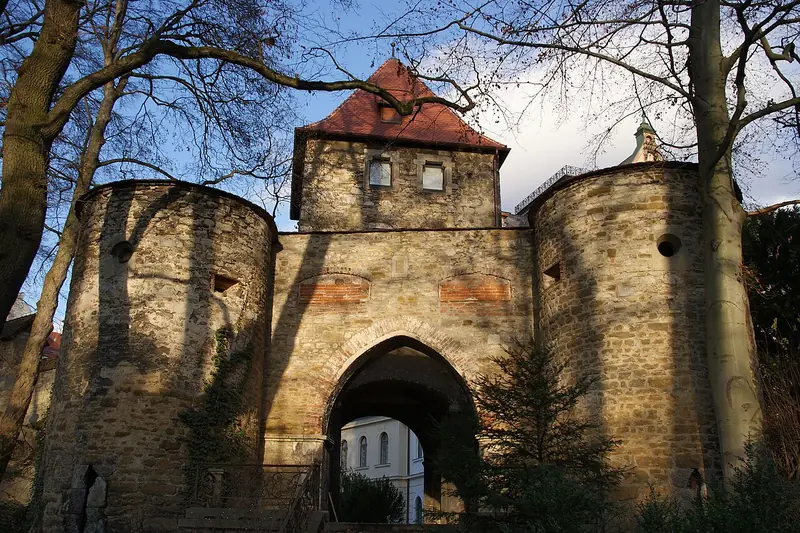
Emmeramer Tor, a historic city gate located in Regensburg, Germany, is a remarkable remnant of the medieval fortifications that once protected this vibrant city. As one of the few remaining structures from the original city walls, Emmeramer Tor offers a glimpse into the architectural and historical significance of Regensburg, a UNESCO World Heritage site. Its strategic placement served not only as a defensive structure but also as a point of entry for trade and communication in centuries past. Today, it stands as a fascinating site for visitors interested in the intersection of history and architecture.
Situated at the coordinates of 49.014381135, 12.091440739, the gate is easily accessible, allowing visitors to explore its surroundings and appreciate the broader context of Regensburg’s urban landscape. The city’s well-preserved medieval architecture and vibrant culture make it an ideal destination for those seeking to experience Germany’s rich history. With its storied past and its vital role in the development of Regensburg, Emmeramer Tor promises to captivate history enthusiasts and casual visitors alike.
History and Significance
Emmeramer Tor is one of the few remnants of the medieval city fortifications that once encircled Regensburg. The significance of city gates like Emmeramer Tor extends beyond mere architecture; they played a crucial role in the socio-economic life of the city. As entry points into the urban center, gates facilitated the movement of goods and people, helping to foster trade and cultural exchange. The gate’s design and construction reflect the defensive needs of the time, as well as the community’s aspirations for security and prosperity.
The history of Regensburg itself is intertwined with the evolution of Emmeramer Tor. This historic city has been a crucial settlement since Roman times and served as an important political and cultural center throughout the Middle Ages. The fortifications, including Emmeramer Tor, were built to protect the city from invasions and to assert its status as a key player in regional affairs. The gate’s preservation allows for a better understanding of the medieval urban environment and the challenges faced by its inhabitants.
As visitors explore Emmeramer Tor, they can appreciate its role in Regensburg’s narrative—one of resilience and adaptation. The gate has witnessed centuries of change, standing as a silent observer to the shifting tides of history. Its continued existence is a reminder of the city’s enduring legacy and its importance in the broader context of German heritage.
Architecture and Features
Emmeramer Tor exemplifies the architectural style prevalent in medieval fortifications. The structure is characterized by its robust design, featuring thick stone walls that were essential for defense. The gate’s entrance is framed by a series of arches, which not only enhance its aesthetic appeal but also provide structural integrity. The use of locally sourced materials is evident in the gate’s construction, showcasing the craftsmanship of the era.
Notable features of Emmeramer Tor include the remnants of its original battlements, which can still be observed today. These defensive elements would have provided guards with vantage points to monitor incoming threats. Additionally, the gate’s towers contribute to its imposing presence, symbolizing the authority of the city and its commitment to protection.
Visitors will find that Emmeramer Tor is not only an architectural marvel but also a site that invites reflection on the historical context in which it was built. The combination of form and function in its design serves as a testament to the ingenuity of medieval city planners and builders.
Visiting Information
Visiting Emmeramer Tor offers an opportunity to engage with the history of Regensburg while enjoying the vibrant atmosphere of the surrounding area. The gate is conveniently located within the city, making it accessible by foot or public transport. Travelers can easily incorporate it into a larger exploration of the city’s historic sites.
For the most current information regarding visiting hours and potential entry fees, it is advisable to check the official website prior to your visit. While exploring the gate, visitors can expect to spend approximately 30 minutes to an hour admiring its features and learning about its history.
The best times to visit Emmeramer Tor are during the spring and early autumn months when the weather is pleasant, and the crowds are generally smaller. This timing allows for a more relaxed experience as you take in the surrounding historical sites and the lively ambiance of Regensburg.
Nearby Attractions
While visiting Emmeramer Tor, there are several nearby attractions worth exploring:
Regensburg Cathedral (Dom St. Peter): A stunning example of Gothic architecture, this cathedral is renowned for its impressive stained glass windows and towering spires.
Stone Bridge (Steinerne Brücke): This iconic bridge, built in the 12th century, offers remarkable views of the Danube River and is a testament to medieval engineering.
Old Town Hall (Alte Rathaus): A historical site that reflects the political history of Regensburg, featuring impressive Gothic and Renaissance architecture.
Thurn und Taxis Palace: Once the residence of a prominent noble family, this palace showcases baroque architecture and beautifully landscaped grounds.
Walhalla Memorial: Located a short distance from the city, this neoclassical hall honors distinguished figures in German history and provides panoramic views of the Danube.
Insider Tips
For photography enthusiasts, Emmeramer Tor presents an excellent opportunity to capture the essence of medieval architecture. Early mornings or late afternoons offer the best natural light for photographs, and visiting during weekdays may help you avoid larger crowds.
Consider exploring the gate during less busy hours, as this allows for a more intimate experience. Engaging with the structure without the distraction of many other visitors can enhance your appreciation of its historical significance.
Practical Information
When planning your visit to Emmeramer Tor, it’s advisable to wear comfortable shoes, as you may be walking through cobblestone streets and exploring nearby attractions. Additionally, consider bringing a reusable water bottle to stay hydrated, especially during warmer months.
Seasonal considerations are also essential. Regensburg experiences a continental climate, with cold winters and warm summers. Dressing in layers can help you adapt to changing weather conditions throughout the day.
Frequently Asked Questions
How long should I spend visiting?
Visitors typically spend around 30 minutes to an hour at Emmeramer Tor, but this can vary depending on personal interest in photography and history.
Is photography allowed?
Yes, photography is permitted at Emmeramer Tor, making it an ideal spot for capturing the architectural details and surrounding scenery.
Are there guided tours?
Check the official website for information on guided tours, as they may be available to provide deeper insights into the history and significance of the gate.
What’s the best time to visit?
The best times to visit are during the spring and early autumn months when the weather is pleasant and crowds are smaller.
Is it wheelchair accessible?
Check the official website for information regarding accessibility, as this can vary based on the site’s features and facilities.
Can I buy tickets online?
For current ticketing options, including online purchases, please refer to the official website.
Are there restrooms and cafes?
Check the official website for details about restrooms and nearby cafes or dining options.
What should I wear?
Wear comfortable clothing and shoes suitable for walking, as you may explore cobblestone streets and nearby attractions. Dressing in layers is recommended for seasonal variations.



