
Emil-Schumacher-Museum
Overview
The Emil-Schumacher-Museum, located in the city of Hagen, Germany, is a celebration of modern art, specifically highlighting the works of the influential German painter Emil Schumacher. This art museum serves as a cultural hub, dedicated to both showcasing Schumacher’s artistic journey and providing insight into 20th-century modern art movements. With its carefully curated exhibitions, the museum not only honors Schumacher’s legacy but also engages with contemporary dialogues in the art world.
Set against the backdrop of Hagen, a city with a rich industrial history, the museum offers a unique blend of artistic expression and cultural heritage. Visitors can expect an immersive experience that fosters a deeper understanding of the emotional and theoretical underpinnings of abstract art. The Emil-Schumacher-Museum is more than just a gallery; it is a space where art enthusiasts, students, and casual visitors alike can appreciate the power of creativity in its many forms.
History and Significance
The Emil-Schumacher-Museum was established to honor the life and works of Emil Schumacher, who is recognized as one of Germany’s prominent abstract painters. Although specific historical details about the museum’s founding are not provided, it plays a crucial role in preserving Schumacher’s artistic contributions and contextualizing them within the broader spectrum of modern art.
Schumacher’s painting style is known for its expressive use of color and form, reflecting the emotional intensity and existential themes that characterize much of 20th-century art. His works are often seen as a response to the turbulent social and political climate of his time, offering viewers a window into the complexities of human emotion and experience. The museum serves as an educational resource, facilitating discussions around these themes while also showcasing temporary exhibitions that relate to contemporary artists and movements.
In addition to honoring Schumacher, the museum contributes to Hagen’s cultural landscape. The city has been a significant player in various artistic and industrial developments over the years, and the museum enhances this narrative by connecting the past with the present. Visitors to the Emil-Schumacher-Museum are invited to engage with art that challenges perceptions, stimulates dialogue, and inspires creativity, making it a vital space for both local and international audiences.
Architecture and Features
The architectural design of the Emil-Schumacher-Museum is a noteworthy aspect of its appeal. The building is characterized by its modern aesthetic, which complements the abstract nature of the art it houses. While specific architectural details are not mentioned, the museum’s structure is likely designed to provide an optimal environment for displaying various artworks, with spacious galleries that facilitate a fluid visitor experience.
Inside, the museum features a range of exhibitions that may include both permanent and temporary collections. The layout is designed to guide visitors through Schumacher’s work in a way that enhances understanding and appreciation. High ceilings, natural light, and thoughtfully arranged spaces allow for a dynamic interaction between the artwork and the viewer, fostering an atmosphere of contemplation and inspiration.
In addition to the exhibition spaces, the museum may include facilities such as an educational area, a shop, or a café, providing a comprehensive visit for those looking to immerse themselves in art and culture.
Visiting Information
Visiting the Emil-Schumacher-Museum is a rewarding experience for anyone interested in modern art and the legacy of Emil Schumacher. To make the most of your visit, it’s advisable to check the official website for current information on hours and ticket prices.
The museum is accessible via various transport options, making it convenient for visitors. Whether you arrive by car, public transport, or even on foot from nearby accommodations, the museum is designed to be welcoming.
Expect to spend a couple of hours exploring the exhibitions, which not only showcase Schumacher’s works but also provide context through additional displays and educational materials. The museum often hosts special events and programming, making it a lively venue for art enthusiasts.
For those considering the best times to visit, weekdays tend to be quieter, allowing for a more personal experience with the artworks. However, weekends may offer additional activities or guided tours, enhancing the visit.
Nearby Attractions
While in Hagen, visitors can explore several nearby attractions that complement a visit to the Emil-Schumacher-Museum:
Hagen Open-Air Museum: This outdoor museum showcases traditional German architecture and rural life, providing a contrasting perspective on culture and history.
Kunstquartier Hagen: This contemporary art space hosts rotating exhibitions and events, making it an excellent complement to the Emil-Schumacher-Museum.
LWL Museum of Art and Cultural History: Located nearby, this museum offers a broader view of art history with its diverse collections, from medieval to modern art.
Theater Hagen: For those interested in performing arts, this venue offers a variety of theatrical productions, enriching the cultural experience of the city.
Sauerlandpark: A beautiful park that provides a serene setting for relaxation and leisure, perfect for unwinding after a day of exploring museums.
Insider Tips
To enhance your experience at the Emil-Schumacher-Museum, consider these insider tips:
Photography: Be sure to check the museum’s policy on photography, as some exhibitions may have restrictions. Capturing your experience can be a great way to remember your visit.
Crowd Avoidance: If you prefer a quieter experience, aim for weekday visits, particularly in the mornings. This will allow for a more leisurely exploration of the artworks without the distraction of larger crowds.
Practical Information
When planning your visit to the Emil-Schumacher-Museum, consider bringing along a few essentials. Comfortable shoes are recommended, as you may be walking or standing for extended periods. A notebook or sketchpad can be useful for jotting down thoughts or inspirations that arise from the artworks.
Seasonal considerations are also important; check the official website for any upcoming exhibitions or events that might align with your visit. Whether you’re coming in the spring, summer, autumn, or winter, the museum promises a unique experience year-round.
Frequently Asked Questions
How long should I spend visiting?
Most visitors find two to three hours sufficient to explore the museum and appreciate the exhibits.
Is photography allowed?
Photography policies may vary by exhibition. It is advisable to check the specific rules upon entry.
Are there guided tours?
Guided tours may be available; check the official website for scheduling and availability.
What’s the best time to visit?
Weekdays are typically less crowded, which can enhance your experience.
Is it wheelchair accessible?
The museum is designed to be accessible, but it’s best to confirm specific accessibility features on the official website.
Can I buy tickets online?
Check the official website for the option to purchase tickets online for convenience.
Are there restrooms and cafes?
Facilities may include restrooms and potentially a café, offering refreshments during your visit.
What should I wear?
Dress comfortably to enjoy your visit, considering the weather and any seasonal events.
More in Lower Saxony

2000 Jahre Christentum
📍 Lower Saxony, Germany
The “2000 Jahre Christentum,” a prominent statue located in Brunswick, Germany, serves as a significant cultural landmark that reflects the rich …
A. Heucke
📍 Lower Saxony, Germany
A. Heucke, located in the historic town of Gatersleben in Germany’s Seeland region, represents a significant chapter in the story of industrial …

Aalto Theatre
📍 Lower Saxony, Germany
The Aalto Theatre in Essen, Germany, is a prominent cultural landmark that attracts both local and international visitors. Renowned for its …

Aasee
📍 Lower Saxony, Germany
Aasee is a picturesque lake located in the town of Ibbenbüren, Germany, serving as a popular destination for both locals and visitors alike. This …
Abgunst Mine
📍 Lower Saxony, Germany
Abgunst Mine, located in the industrial heart of Essen, Germany, is a significant heritage site that represents the country’s rich mining history. As …

Accumer Mühle
📍 Lower Saxony, Germany
Accumer Mühle is a captivating windmill located in Schortens, Germany, that showcases the remarkable engineering of traditional European mills. This …
More Art Museums

Aachen Cathedral Treasury
📍 North Rhine-Westphalia, Germany
Aachen Cathedral Treasury, located in the historic city of Aachen, Germany, is a remarkable art museum that houses an impressive collection of …

Abteiberg Museum
📍 North Rhine-Westphalia, Germany
In the heart of Mönchengladbach, Germany, the Abteiberg Museum stands out as a prominent destination for art enthusiasts and cultural explorers alike. …

Akademisches Kunstmuseum
📍 North Rhine-Westphalia, Germany
In the heart of Bonn, Germany, lies the Akademisches Kunstmuseum, an art museum that invites visitors to explore a diverse collection of artworks …

Albertinum
📍 Saxony, Germany
Albertinum is a prominent art museum located in the heart of Dresden, Germany, serving as a significant cultural institution in the region. …

Albrecht Dürer's House
📍 Bavaria, Germany
Albrecht Dürer’s House stands as a significant cultural landmark in Nuremberg, Germany, celebrating the life and work of one of the Renaissance’s most …
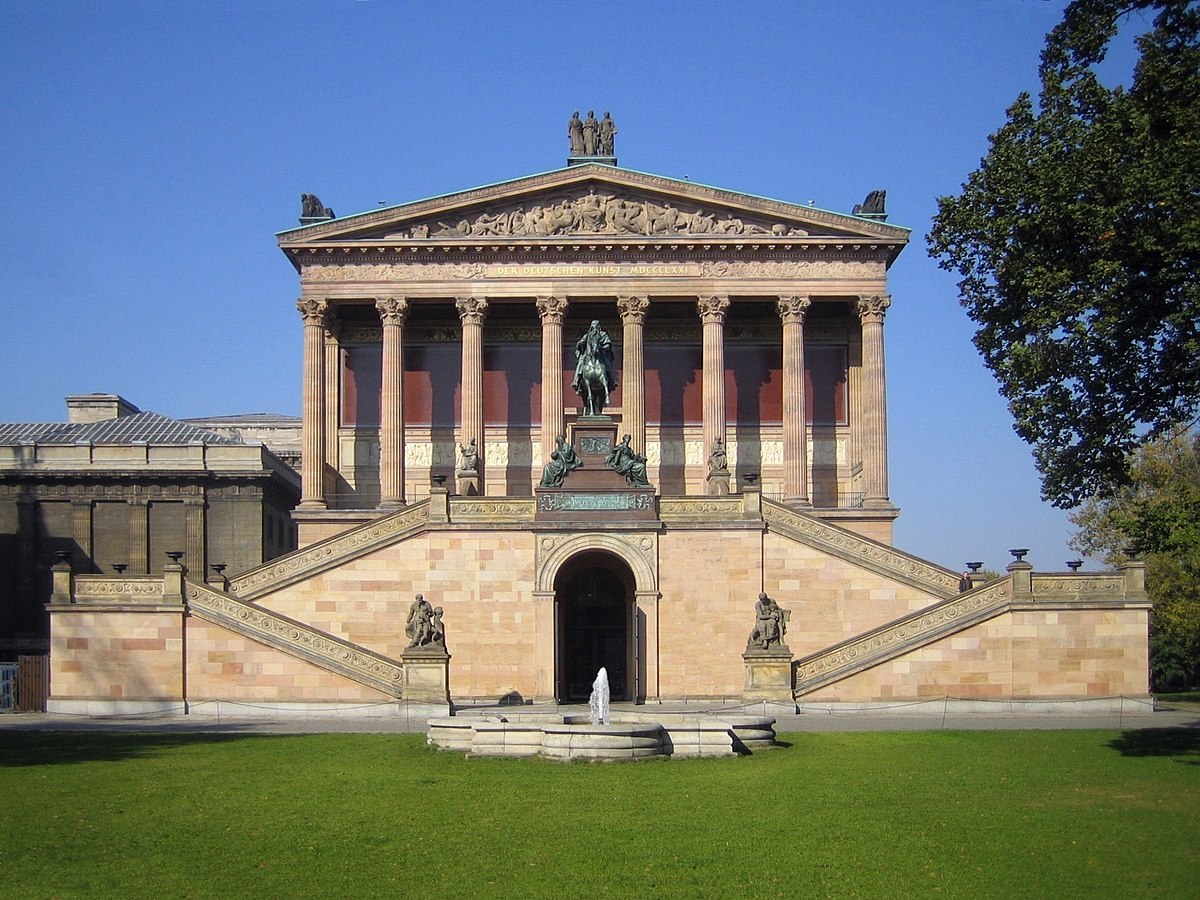
Alte Nationalgalerie
📍 Berlin, Germany
The Alte Nationalgalerie, an esteemed art museum located in Berlin’s Bezirk Mitte, is a cornerstone of cultural appreciation in Germany. This museum …