Overview
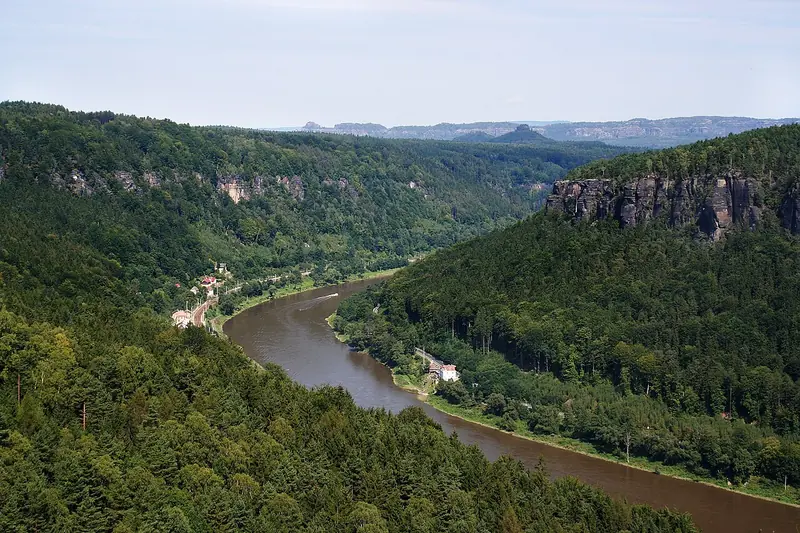
The Elbe River, a prominent waterway in Central Europe, flows through the heart of Germany, weaving a path that has shaped not only the natural landscape but also the region’s cultural heritage. Originating in the Czech Republic and flowing into the North Sea, the Elbe stretches approximately 1,094 kilometers, providing vital resources and transportation routes for centuries. Its banks are lined with picturesque towns, historical sites, and lush scenery, making it an essential part of the region’s identity.
The Elbe has played a crucial role in trade and commerce, connecting various cities and regions throughout its course. Along its banks, you can find remnants of ancient civilizations, vibrant towns, and a rich diversity of flora and fauna. This river is not only a natural site but also a cultural artery that continues to influence the lives of those who inhabit its shores. Whether you are a history enthusiast, a nature lover, or someone looking to appreciate the beauty of Central Europe, the Elbe offers a unique blend of experiences that cater to all interests and passions.
History and Significance
The Elbe River has a storied history that dates back to ancient times. It has served as an important trade route since the days of the Celts and Romans, facilitating the movement of goods and cultures. Throughout the Middle Ages, the river saw the rise of significant cities such as Hamburg and Dresden, which became crucial centers for trade, commerce, and cultural exchange. The river’s accessibility allowed for the development of prosperous communities along its banks, contributing to the economic growth of the region.
The Elbe has also been a witness to numerous historical events, including wars and political changes that have shaped modern Germany. Its strategic importance was particularly notable during the World Wars, where control of the river was vital for military operations. Additionally, the Elbe’s role in the industrial revolution transformed the surrounding areas, as factories and transportation networks were established to take advantage of the river’s resources.
In contemporary times, the river remains a symbol of unity and cooperation in Europe, serving as a natural boundary between various regions and countries. The Elbe is recognized for its ecological significance, as it supports a diverse range of wildlife and habitats. Conservation efforts are ongoing to preserve the river’s natural beauty and ensure its health for future generations.
Architecture and Features
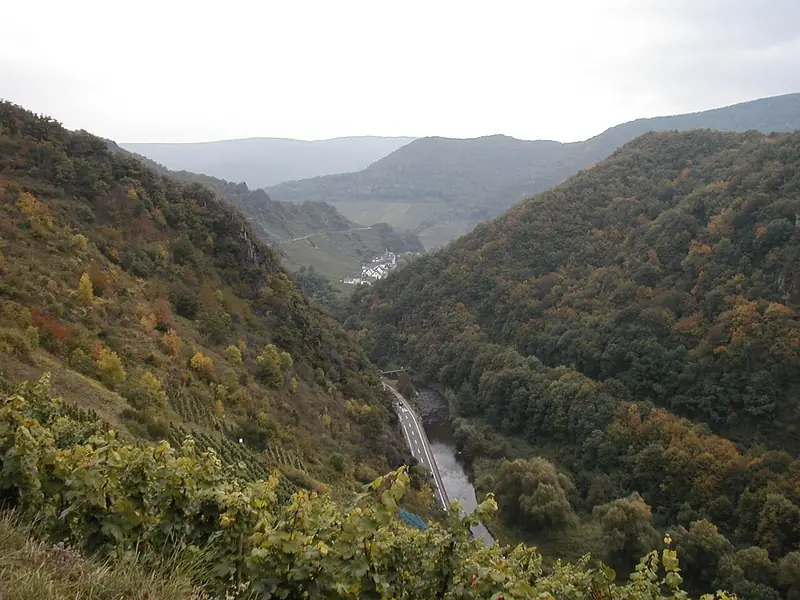
The Elbe River is characterized by its winding course and picturesque landscapes. As it flows through Germany, it passes through a variety of terrains, from serene countryside to bustling urban environments. The riverbanks are adorned with remarkable architecture, including historic bridges, castles, and towns that reflect the rich cultural heritage of the region.
One of the notable architectural features along the Elbe is the Elbphilharmonie in Hamburg, an iconic concert hall that merges contemporary design with the historical structure of a former warehouse. This striking landmark has become a symbol of modern architecture and cultural life in the city.
In addition to urban marvels, the Elbe is lined with charming villages and towns that showcase half-timbered houses and cobblestone streets, offering a glimpse into traditional German life. The town of Meissen, famous for its porcelain, features the Albrechtsburg Castle perched on a hill overlooking the river, a remarkable example of Gothic architecture that draws visitors from afar.
The natural features of the Elbe are equally impressive, with diverse ecosystems along its banks and tributaries. The river is home to various species of fish and birds, making it an excellent location for wildlife enthusiasts and birdwatchers. The surrounding landscapes, often marked by gentle hills and forests, add to the river’s scenic charm.
Visiting Information
Visiting the Elbe River offers a variety of experiences, from leisurely strolls along its banks to engaging in water activities. Accessing the river is convenient, thanks to its proximity to major cities like Hamburg, Dresden, and Berlin. Various transportation options are available, including trains, buses, and car rentals, making it easy for travelers to explore different sections of the river.
When planning a visit, it’s important to check the official website for current information regarding hours and prices, as these may vary based on the season and specific activities. Travelers can expect to spend a few hours to a full day exploring the river and its surroundings, depending on their interests. Popular activities include boat tours, cycling along the Elberadweg (Elbe Cycle Path), and visiting historical landmarks.
The best times to visit the Elbe are during the spring and fall when the weather is mild, and the natural scenery is particularly stunning. Summer can draw larger crowds, especially in popular tourist destinations, so early morning or late afternoon visits may provide a more tranquil experience.
Nearby Attractions
Hamburg: A vibrant city known for its historic port, the Elbphilharmonie, and a lively arts and culture scene. Visitors can explore the historic Speicherstadt district, a UNESCO World Heritage site.
Dresden: Renowned for its baroque architecture, including the Frauenkirche and Zwinger Palace. The city offers a rich cultural experience with museums and galleries along the Elbe.
Meissen: Famous for its porcelain, Meissen features a charming old town and the impressive Albrechtsburg Castle, offering stunning views of the Elbe.
Wittenberg: Known as the birthplace of the Protestant Reformation, Wittenberg is home to historic sites associated with Martin Luther, including the Castle Church.
Bad Schandau: A picturesque spa town located on the Elbe, it serves as a gateway to the Saxon Switzerland National Park, known for its dramatic sandstone formations and hiking trails.
Insider Tips
Photography enthusiasts will find countless opportunities along the Elbe, especially during sunrise or sunset when the light reflects beautifully on the water. The river’s iconic bridges and historic towns provide excellent backdrops for captivating shots.
To avoid crowds, consider visiting during weekdays or in the early morning, particularly in popular areas like Hamburg and Dresden. This will allow for a more enjoyable and relaxed experience while exploring the river and its attractions.
If you are planning to rent a bicycle, many towns along the Elbe offer bike rental services, making it easy to explore the extensive cycling routes available.
Practical Information
When visiting the Elbe, it’s advisable to bring comfortable walking shoes, especially if you plan to explore towns and natural areas along the river. A light jacket may also be necessary during cooler months, as temperatures can vary.
Seasonal considerations are important; spring and summer are ideal for enjoying outdoor activities, while fall offers beautiful foliage. Winter can be chilly, but the river and its surroundings are serene and less crowded.
Make sure to carry essentials such as water, snacks, sunscreen, and a camera to capture the stunning scenery and memorable moments along the Elbe.
Frequently Asked Questions
How long should I spend visiting?
The time you spend visiting can vary; a few hours is sufficient for a quick overview, but a full day allows for deeper exploration and engagement in activities.
Is photography allowed?
Yes, photography is generally allowed along the Elbe, but be mindful of specific regulations in certain historic sites or museums.
Are there guided tours?
Yes, guided tours are available in various towns along the Elbe, offering insights into the history and culture of the region.
What’s the best time to visit?
The best times to visit are spring and fall when the weather is mild and the scenery is particularly beautiful.
Is it wheelchair accessible?
Accessibility varies by location along the Elbe. Check specific sites for accommodations, but many urban areas offer wheelchair-friendly access.
Can I buy tickets online?
For certain attractions and tours, online ticket purchasing may be available. It’s best to check the official websites for details.
Are there restrooms and cafes?
Restrooms and cafes can be found in urban areas and popular tourist sites, but it’s advisable to plan ahead, especially in rural areas.
What should I wear?
Wear comfortable clothing and shoes suitable for walking. Layers are recommended, as temperatures can change throughout the day.