
Einsteinhaus Caputh
Overview
Einsteinhaus Caputh is a significant memorial located in the picturesque region of Schwielowsee, Germany. This house, which served as the residence of the renowned physicist Albert Einstein from 1929 to 1932, offers visitors a unique glimpse into the personal life of one of the most influential scientists in history. The tranquil surroundings and the architectural design of the house reflect Einstein’s affinity for nature and simplicity, making it an intriguing destination for both science enthusiasts and those interested in architectural heritage.
The significance of Einsteinhaus Caputh extends beyond its association with Einstein; it embodies a pivotal time in his life when he moved away from the bustling atmosphere of Berlin to seek peace and inspiration. This period saw the development of some of his most profound ideas, including his work on unified field theory. The house not only serves as a memorial to Einstein but also as a place that encourages reflection on the interplay between science, nature, and human creativity.
Visitors to Einsteinhaus Caputh can expect to explore the intimate spaces where Einstein lived and worked, gaining insights into his thoughts and inspirations. The serene environment surrounding the house invites contemplation, making it an ideal location for those wishing to understand the man behind the theory of relativity.
History and Significance
Albert Einstein’s time at Einsteinhaus Caputh was marked by significant personal and professional developments. After establishing himself as a leading physicist, he sought a quieter life away from the pressures of urban existence. The house, located near the beautiful Caputh village, provided him with the serenity he desired. During his stay, he engaged in extensive research and writing, further solidifying his legacy as a pioneer in theoretical physics.
The choice of Caputh was not merely for its tranquil environment; it was also a strategic decision. The proximity to Berlin allowed Einstein to maintain his professional connections while enjoying the benefits of a rural retreat. The period from 1929 to 1932 was crucial for Einstein, as he worked on various scientific theories, including his attempts to formulate a unified field theory, which would later shape modern physics.
Einsteinhaus Caputh has since been preserved as a memorial, honoring the contributions of a man whose work transcended the boundaries of science and philosophy. The house symbolizes the intersection of creativity and scientific inquiry, reflecting Einstein’s belief in the importance of imagination in scientific progress. This space serves as a reminder of the intimate relationship between a scientist’s environment and their work, emphasizing how personal experiences can profoundly influence groundbreaking ideas.
As a memorial site, Einsteinhaus Caputh offers educational opportunities for visitors, who can engage with exhibitions and resources that explore Einstein’s life, his scientific achievements, and his philosophical musings. This connection to one of the most significant figures in history enhances its cultural importance, making it a valuable site for understanding not just Einstein’s legacy, but also the broader implications of scientific discovery in society.
Architecture and Features
Einsteinhaus Caputh is characterized by its functional yet elegant design, which integrates seamlessly with the natural landscape. The architecture reflects a modernist style, emphasizing simplicity and a connection to the environment. The house features large windows that provide ample natural light, creating an airy atmosphere that resonates with Einstein’s love for nature and openness.
Inside, the layout is practical, with spaces that encourage both relaxation and intellectual pursuits. The living areas are thoughtfully designed, showcasing a blend of comfort and functionality. Furniture and decor are kept minimal, allowing the focus to remain on the surroundings and the activities that took place within these walls.
Notably, the house includes a study where Einstein spent considerable time working on his theories. This space is preserved to reflect his working environment, providing visitors with an intimate understanding of his daily life. The connection between the house’s design and Einstein’s lifestyle is evident, as it serves as both a refuge and a workspace, embodying his dual identity as a scientist and a thinker.
The exterior of Einsteinhaus Caputh is equally appealing, with a well-maintained garden that invites visitors to explore the serene grounds. The landscaping complements the house, further enhancing the tranquil atmosphere. This connection between the building and its surroundings underscores the importance of nature in Einstein’s life, aligning with his belief in the value of a peaceful environment for fostering creativity.
Visiting Information
Visiting Einsteinhaus Caputh offers a unique opportunity to engage with the life and work of Albert Einstein. To make the most of your trip, it is advisable to plan ahead. Transportation options to the site include local public transit services, which provide convenient access from nearby towns and cities. For those traveling by car, check for available parking options.
Check the official website for current information on opening hours and admission prices, as these may vary throughout the year. Typically, visitors can expect to spend around one to two hours exploring the house and its exhibits. This timeframe allows for a thorough understanding of Einstein’s time at Caputh and the significance of the memorial.
The best times to visit are during the spring and autumn months when the surrounding nature is particularly inviting, though summer can also be pleasant. If you prefer to avoid larger crowds, consider visiting during weekdays or early in the morning, as weekends may attract more visitors.
Upon arrival, expect a welcoming atmosphere with informative staff ready to enhance your experience. Guided tours may be available, offering deeper insights into Einstein’s life and the history of the house. Visitors should also check for any special events or exhibitions that may be taking place during their visit, adding an extra layer of engagement.
Nearby Attractions
While exploring Einsteinhaus Caputh, there are several nearby attractions worth visiting to enrich your experience in the Schwielowsee region:
Caputh Castle: This historic castle offers a glimpse into the architectural styles of the past and provides beautiful views of the surrounding landscape.
Schwielowsee Lake: The nearby lake is ideal for leisurely walks, picnics, or enjoying various water activities, making it a perfect spot to unwind after visiting the memorial.
The Church of Caputh: This charming church features impressive architecture and is a peaceful place to reflect on your visit.
Babelsberg Park: Located a short distance away, this expansive park features beautiful gardens and historical buildings, ideal for a leisurely stroll.
Potsdam: The nearby city of Potsdam is home to numerous UNESCO World Heritage sites, including Sanssouci Park, which is renowned for its stunning palaces and gardens.
Insider Tips
To enhance your visit to Einsteinhaus Caputh, consider the following insider tips:
Photography: While photography may be allowed in certain areas, be respectful of any restrictions within the house. Capture the essence of the surroundings, as the gardens and exterior provide great opportunities for stunning photos.
Crowd Avoidance: For a more tranquil experience, aim to visit during weekdays or early morning hours. This will help you enjoy the site with fewer distractions and allow for a more reflective visit.
Guided Tours: If available, consider joining a guided tour to gain deeper insights into Einstein’s life and the significance of the memorial. This can enrich your understanding of the context in which he lived and worked.
Practical Information
When preparing for your visit to Einsteinhaus Caputh, keep the following practical considerations in mind:
What to Bring: Comfortable walking shoes are recommended, as you may want to explore the gardens and surrounding areas. A bottle of water and a light snack can also enhance your experience, especially if you plan to spend time outdoors.
Seasonal Considerations: Depending on the time of year, dress appropriately for the weather. Spring and autumn may require layers, while summer can be warm and sunny. Be mindful of potential rain and pack an umbrella if necessary.
Accessibility: Check the official website for specific accessibility information, as certain areas may have limitations for visitors with mobility challenges.
Frequently Asked Questions
How long should I spend visiting?
A visit typically takes about one to two hours, allowing sufficient time to explore the house and its exhibits.
Is photography allowed?
Photography policies can vary, so it is advisable to check the guidelines upon arrival for specific restrictions.
Are there guided tours?
Guided tours may be available. Check the official website for information on scheduling and availability.
What’s the best time to visit?
Spring and autumn are ideal for enjoying the natural beauty of the area, while weekdays tend to be less crowded.
Is it wheelchair accessible?
For detailed information on accessibility, check the official website prior to your visit.
Can I buy tickets online?
Check the official website for options regarding online ticket purchases and reservations.
Are there restrooms and cafes?
Facilities may be available onsite. Be sure to verify the availability of restrooms and cafes on the official website.
What should I wear?
Dress comfortably and appropriately for the weather. Comfortable walking shoes are recommended for exploring the grounds.
More in Brandenburg
Agnetenkloster
📍 Brandenburg, Germany
Agnetenkloster, a former monastery located in the heart of Magdeburg, Germany, invites visitors to explore its serene ambiance and historical …

Agroneum
📍 Brandenburg, Germany
Agroneum is a museum located in the serene landscape of Alt Schwerin, Germany. This establishment serves as a vibrant hub for those interested in the …

Alexander Nevsky Memorial Church
📍 Brandenburg, Germany
The Alexander Nevsky Memorial Church in Potsdam, Germany, offers visitors a unique glimpse into the city’s cultural and religious heritage. This …
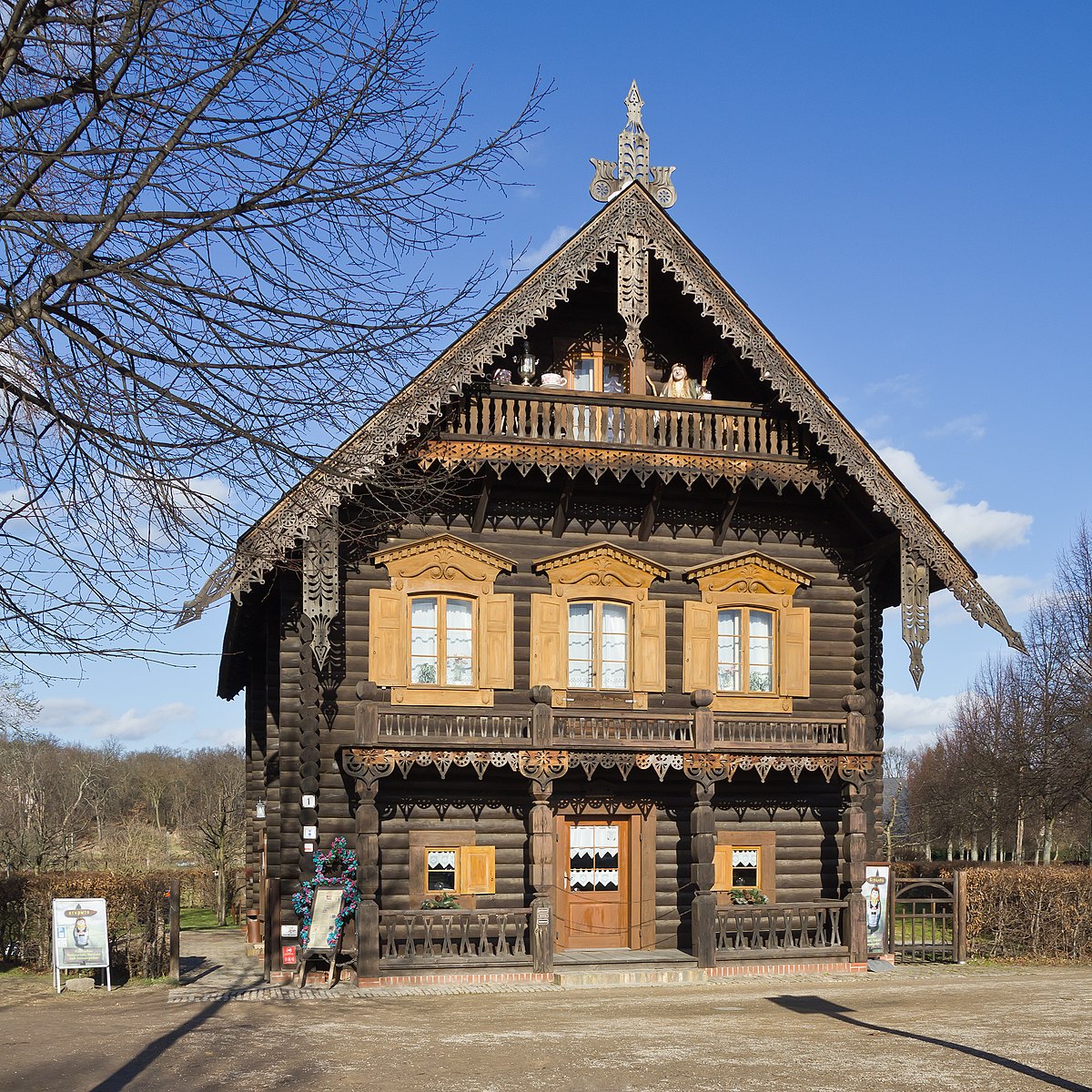
Alexandrowka
📍 Brandenburg, Germany
Located in the picturesque city of Potsdam, Germany, Alexandrowka is an intriguing architectural ensemble that reflects a unique blend of Russian and …

Alte Burg Penzlin
📍 Brandenburg, Germany
Alte Burg Penzlin, a captivating castle located in the quaint town of Penzlin, Germany, serves as a remarkable example of medieval architecture and …

Alte Dorfkirche Röxe
📍 Brandenburg, Germany
The Alte Dorfkirche Röxe stands as a poignant symbol of architectural and cultural history in the Stendal region of Germany. This church building, …
More Memorials

2 Straßenbau- Gedenksteine
📍 Schleswig-Holstein, Germany
In the picturesque region of Bösdorf, Germany, two memorial stones commemorate a pivotal moment in the history of infrastructure development. Known as …

Albrecht-Dürer-Denkmal
📍 Bavaria, Germany
In the heart of Nuremberg, Germany, the Albrecht-Dürer-Denkmal stands as a tribute to one of the most influential figures in Northern Renaissance art. …

Alexiuskreuz
📍 Lower Saxony, Germany
A visit to Alexiuskreuz in Mägdesprung, Harzgerode, invites exploration of a poignant memorial that honors significant historical events and figures. …

Alsdorfer Bergmannskreuz
📍 North Rhine-Westphalia, Germany
The Alsdorfer Bergmannskreuz memorial, located in Simmerath, Germany, serves as a poignant reminder of the region’s mining heritage and the cultural …
Alte Pathologie Wehnen
📍 Lower Saxony, Germany
In the tranquil landscape of Bad Zwischenahn, Germany, the Alte Pathologie Wehnen serves as a solemn memorial dedicated to the victims of the Nazi …

Arbeitserziehungslager Nordmark
📍 Schleswig-Holstein, Germany
Arbeitserziehungslager Nordmark, located on the outskirts of Kiel, Germany, serves as a solemn memorial to the atrocities committed during the Nazi …