
Ehmken Hoff
Overview
Ehmken Hoff is an architectural ensemble located in Dörverden, Germany, that encapsulates the essence of traditional German rural architecture. This collection of buildings serves as a significant representation of the region’s cultural heritage. With its quaint charm and historical importance, Ehmken Hoff invites visitors to explore its structures, which reflect the lifestyle and craftsmanship of a bygone era. As you approach this ensemble, you will find yourself immersed in the local history and architecture that define this part of Germany, making it a noteworthy destination for those interested in heritage and culture.
Dörverden, situated in Lower Saxony, is known for its picturesque landscapes and rich agricultural history. Ehmken Hoff stands as a focal point in this region, showcasing not only the architectural styles of the past but also the community’s connection to its agricultural roots. Visitors can expect an engaging experience as they traverse through the buildings, each with its own story to tell.
History and Significance
Ehmken Hoff comprises a series of structures that embody the agricultural traditions of the Dörverden area. While specific historical dates may not be documented, the architectural ensemble is crucial in illustrating the evolution of rural life in Germany. Its significance lies in the way it highlights the agricultural practices and domestic architecture that were prevalent in the region.
The ensemble is not just a collection of buildings; it serves as a cultural landmark that educates visitors about the historical context of rural living. The structures reflect the craftsmanship and design principles of their time, showcasing how communities adapted to their environment and utilized available resources. Ehmken Hoff provides insight into the agricultural history of the region, serving as a reminder of the importance of farming in the local economy and lifestyle.
In addition to its architectural value, Ehmken Hoff plays a role in community engagement and preservation of local heritage. It often serves as a venue for events that foster appreciation for traditional practices and crafts, ensuring that the legacy of the region is passed on to future generations.
Architecture and Features
The architectural ensemble at Ehmken Hoff is characterized by its traditional German style, which integrates functionality with aesthetic appeal. The buildings are designed to reflect the needs of rural life, emphasizing practicality while showcasing the craftsmanship that has endured through the years.
Visitors will find a variety of structures within Ehmken Hoff, each contributing to the overall ambiance of the site. The materials used in the construction of these buildings typically include timber and brick, which are common in the region’s historic architecture. The roofs may feature thatched or tiled design, typical of the era, adding to the charm of the ensemble.
Notable features of Ehmken Hoff include the well-preserved facades, which often display intricate wooden beams and traditional detailing. The layout of the buildings is also reflective of rural architecture, with spaces designed for both living and working, highlighting the interconnectedness of domestic and agricultural life. The ensemble gives visitors a chance to appreciate the craftsmanship and design that have shaped the architectural identity of the region.
Visiting Information
Ehmken Hoff is accessible by various modes of transportation, making it convenient for visitors to reach. Whether you are driving or using public transport, the site is well-connected to surrounding areas. Once you arrive, you will find that exploring the ensemble can be done at a leisurely pace, allowing you to fully appreciate the architecture and its surroundings.
Check the official website for current information on visiting hours and ticket prices, as these may vary throughout the year. When planning your visit, consider allocating a few hours to fully explore the site and engage with its historical context. The best times to visit Ehmken Hoff are during the spring and summer months when the weather is pleasant and the surrounding landscape is vibrant.
As you wander through the ensemble, expect to encounter informative displays that provide insights into the history and significance of the buildings. Guided tours may also be available, enhancing your understanding of the architectural styles and cultural practices represented at Ehmken Hoff.
Nearby Attractions
While visiting Ehmken Hoff, consider exploring other nearby attractions that showcase the rich heritage and natural beauty of the Dörverden region:
Dörverden Museum: A short distance from Ehmken Hoff, this museum offers additional insights into the local history and culture, featuring exhibits related to the region’s agricultural practices.
Nature Reserves: The surrounding area is home to various nature reserves that provide opportunities for walking, birdwatching, and enjoying the natural scenery of Lower Saxony.
Historic Town Center: The town center of Dörverden features charming shops and cafes, perfect for a leisurely stroll after your visit to Ehmken Hoff.
Local Farms: Nearby farms may offer tours or farm-to-table experiences, allowing visitors to engage with the agricultural practices of the region firsthand.
Regional Parks: Explore the parks in the vicinity, which offer trails for hiking and biking, showcasing the beautiful landscapes characteristic of the area.
Insider Tips
To make the most of your visit to Ehmken Hoff, consider these insider tips:
Photography: Bring a camera to capture the intricate details of the architecture. The buildings provide unique photo opportunities, especially during the golden hours of sunrise and sunset.
Crowd Avoidance: If you prefer a quieter experience, visiting during weekdays or early in the morning can help you avoid larger crowds, allowing for a more personal exploration of the site.
Practical Information
When planning your visit to Ehmken Hoff, keep the following practical considerations in mind:
What to Bring: Comfortable walking shoes are recommended, as you will likely be exploring different buildings and possibly uneven terrain. A light jacket may also be useful, especially during cooler months.
Seasonal Considerations: The best months to visit are typically from late spring to early autumn when the weather is more favorable for outdoor activities. Be sure to check the official website for any seasonal events or workshops that may be taking place.
Frequently Asked Questions
How long should I spend visiting?
A visit to Ehmken Hoff typically takes about 2-3 hours to fully appreciate the architecture and explore the site.
Is photography allowed?
Yes, photography is generally permitted throughout the site, but be mindful of any specific restrictions that may apply.
Are there guided tours?
Guided tours may be available; check the official website for details regarding their schedule and availability.
What’s the best time to visit?
The best time to visit is during the spring and summer months when the weather is pleasant and the surrounding landscape is vibrant.
Is it wheelchair accessible?
Accessibility details can vary; check the official website for specific information regarding wheelchair access at Ehmken Hoff.
Can I buy tickets online?
Check the official website for information about ticket purchasing options, including whether online sales are available.
Are there restrooms and cafes?
Visitor amenities may be available; check the official website for specific information about restroom facilities and dining options nearby.
What should I wear?
Dress in comfortable, weather-appropriate clothing and footwear suitable for walking, especially if you plan to explore the outdoor areas.
More in Lower Saxony

2000 Jahre Christentum
📍 Lower Saxony, Germany
The “2000 Jahre Christentum,” a prominent statue located in Brunswick, Germany, serves as a significant cultural landmark that reflects the rich …
A. Heucke
📍 Lower Saxony, Germany
A. Heucke, located in the historic town of Gatersleben in Germany’s Seeland region, represents a significant chapter in the story of industrial …

Aalto Theatre
📍 Lower Saxony, Germany
The Aalto Theatre in Essen, Germany, is a prominent cultural landmark that attracts both local and international visitors. Renowned for its …

Aasee
📍 Lower Saxony, Germany
Aasee is a picturesque lake located in the town of Ibbenbüren, Germany, serving as a popular destination for both locals and visitors alike. This …
Abgunst Mine
📍 Lower Saxony, Germany
Abgunst Mine, located in the industrial heart of Essen, Germany, is a significant heritage site that represents the country’s rich mining history. As …

Accumer Mühle
📍 Lower Saxony, Germany
Accumer Mühle is a captivating windmill located in Schortens, Germany, that showcases the remarkable engineering of traditional European mills. This …
More Architectural Ensembles

144., 176. und 184. Gemeindeschule
📍 Berlin, Germany
The 144., 176. und 184. Gemeindeschule, an architectural ensemble located in the vibrant city of Berlin, stands as a noteworthy example of educational …

Adelheidstraße 3–7, 9–12, 12a, 14, 15, 22–31, Amelungstraße 1, Friedrich-Ebert-Platz
📍 Lower Saxony, Germany
In the heart of Quedlinburg, Germany, lies a captivating architectural ensemble that reflects the town’s historical significance and cultural …

Aegidiimarkt
📍 Lower Saxony, Germany
Aegidiimarkt is a captivating architectural ensemble located in the heart of Münster, Germany. This vibrant square not only serves as a hub for local …
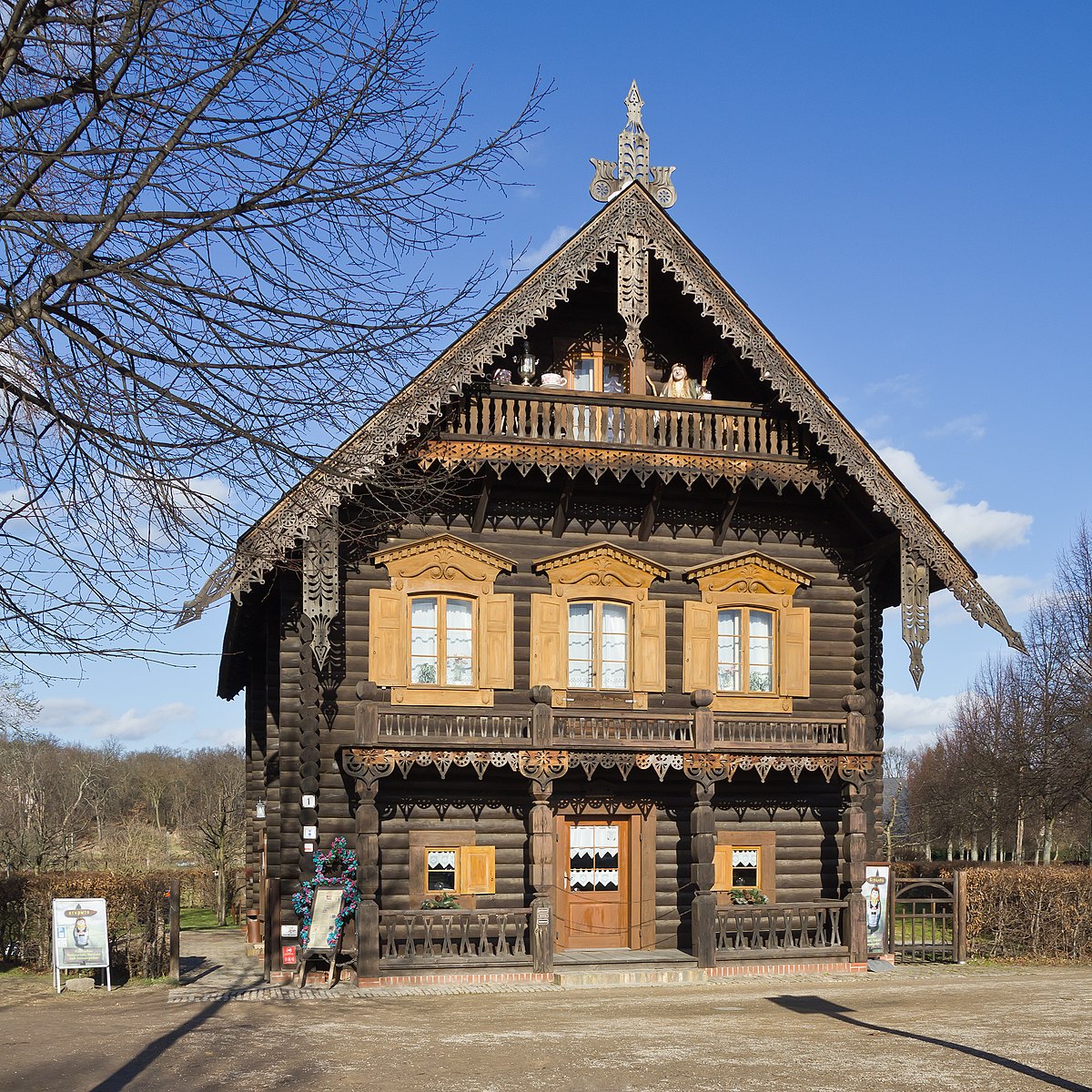
Alexandrowka
📍 Brandenburg, Germany
Located in the picturesque city of Potsdam, Germany, Alexandrowka is an intriguing architectural ensemble that reflects a unique blend of Russian and …

Alhauser Hammer
📍 North Rhine-Westphalia, Germany
Alhauser Hammer is a remarkable architectural ensemble located in Ennepetal, Germany, known for its historical significance as a water-driven hammer …

Alsdorfer Ölmühle
📍 North Rhine-Westphalia, Germany
The Alsdorfer Ölmühle, an architectural ensemble located in the heart of Alsdorf, Germany, is a remarkable example of a traditional watermill that …