
Ehemalige Produktionshallen, ehemalige Spinnerei- und Webereihallen
Overview
The Ehemalige Produktionshallen, or former production halls, located in Düren, North Rhine-Westphalia, Germany, offer a glimpse into the region’s industrial past. These structures were once integral to the textile manufacturing industry, a sector that significantly shaped the economic landscape of Düren. As you approach the site, the historical relevance of these factory buildings becomes apparent, echoing the industrious spirit that defined an era of innovation and craftsmanship.
In an age where industrial heritage is often overlooked, the Ehemalige Produktionshallen stand as a reminder of the skills and labor that fueled the local economy for generations. Visitors to this site will not only appreciate its architectural characteristics but also understand the role such factories played in the broader narrative of industrialization in Germany. The complex serves as an educational platform for those interested in the evolution of manufacturing and its impact on society, making it a significant stop for heritage enthusiasts.
History and Significance
The Ehemalige Produktionshallen are steeped in the history of the textile industry that flourished in Düren. This area was known for its production of textiles, particularly during the 19th and early 20th centuries. Factories like these were essential to the economy, providing jobs and fostering a sense of community among the workforce. As industrial methods evolved, so too did the buildings that housed these operations, reflecting the technological advancements of their time.
The significance of such factories extends beyond mere economics. They are a cultural touchstone that illustrates the transition from artisanal craft to mass production. The architecture, layout, and design of these halls reveal much about the working conditions and the social context of the time. As the textile industry faced challenges from globalization and technological change, many of these factories became obsolete, leading to a decline in local employment opportunities.
Preserving the Ehemalige Produktionshallen is crucial for understanding the legacy of industrialization in Germany. They serve as a repository of memories for those who worked there and provide an educational resource for future generations. As part of the broader narrative of Düren’s industrial history, these buildings remind us of the resilience and adaptability of communities in the face of economic change.
Architecture and Features
The architecture of the Ehemalige Produktionshallen reflects typical industrial design from the period of their operation. The buildings feature robust brick construction, which was a common material for factories during the height of the industrial revolution. This choice not only provided durability but also offered a distinctive aesthetic that characterizes many industrial sites from the era.
As you explore the production halls, you will notice large windows that were designed to maximize natural light, which was essential for the work being carried out inside. These windows also serve as a visual link to the past, allowing visitors to imagine the bustling activity that once filled the space. The layout of the buildings is functional, with spacious interiors that facilitated the movement of materials and workers.
In terms of notable features, the Ehemalige Produktionshallen may include remnants of machinery or equipment that hint at the processes that once took place within their walls. While specific details about such features are not provided, it is common for industrial heritage sites to retain elements of their operational history.
The overall design of the complex is a testament to the utilitarian approach of industrial architecture, where form meets function in a way that is both practical and historically significant.
Visiting Information
Visiting the Ehemalige Produktionshallen provides an opportunity to engage with the rich industrial heritage of Düren. To reach the site, various modes of transportation are available, including public transit options that connect to the broader region. Parking facilities may also be accessible for those traveling by car.
Before planning your visit, it is advisable to check the official website for current hours and ticket prices. Expect to spend a few hours exploring the site, as there is much to absorb in terms of history and architecture.
The best times to visit typically align with weekdays when there may be fewer crowds, allowing for a more personal experience. However, weekends may also offer special events or activities that can enrich your visit. As with any heritage site, consider the weather and dress appropriately for outdoor exploration.
Nearby Attractions
While exploring the Ehemalige Produktionshallen, consider visiting these nearby attractions to enhance your understanding of the region’s cultural and historical context:
Düren Castle: A historic castle that showcases the architectural styles of different periods and provides insight into the local nobility’s history.
City Museum Düren: This museum offers exhibitions that delve into the local history, including the industrial development of Düren, making it a complement to your visit to the production halls.
St. Anna Church: An architectural landmark that features striking designs and is an integral part of Düren’s cultural heritage.
Düren’s Historical Market Square: A lively area that captures the essence of local life and offers a variety of shops and eateries.
The Eifel National Park: A bit further afield, this national park provides a natural contrast to the industrial heritage of Düren, showcasing the region’s scenic beauty.
Insider Tips
For photography enthusiasts, early morning or late afternoon offers the best natural light for capturing the essence of the Ehemalige Produktionshallen. The interplay of light and shadow on the brick facades can create striking images that highlight the architectural features.
To avoid crowds, consider visiting during weekdays or during off-peak seasons when fewer tourists are likely to be present. This will allow for a more intimate experience as you explore the site.
Practical Information
When planning your visit to the Ehemalige Produktionshallen, it is advisable to bring along a few essentials. Comfortable walking shoes are a must, as the site may require some exploration on foot. A water bottle and snacks can also enhance your experience, especially if you plan to spend several hours at the site.
Be mindful of seasonal considerations; check the weather forecast and dress accordingly. Layers are often a good idea, as temperatures can fluctuate throughout the day. If visiting during colder months, ensure you have adequate outerwear.
Frequently Asked Questions
How long should I spend visiting?
It is recommended to spend around two to three hours at the Ehemalige Produktionshallen to fully appreciate the historical significance and architectural features.
Is photography allowed?
Photography is generally permitted, but it is always wise to check for any specific guidelines on the official website before your visit.
Are there guided tours?
Information regarding guided tours can vary, so check the official website for current offerings and availability.
What’s the best time to visit?
Weekdays tend to be less crowded, providing a more peaceful experience. However, weekends may offer special events.
Is it wheelchair accessible?
Check the official website for information on accessibility options to ensure a comfortable visit.
Can I buy tickets online?
Ticket purchasing options may vary; it is advisable to check the official website for current information regarding online ticket sales.
Are there restrooms and cafes?
Facilities may be available on-site, but it is best to verify through the official website for the latest updates.
What should I wear?
Dress comfortably and appropriately for the weather, considering that the site may have outdoor areas to explore.
More in North Rhine-Westphalia

Aachen Cathedral
📍 North Rhine-Westphalia, Germany
Aachen Cathedral, a magnificent Roman-Catholic structure located in the historic city of Aachen, Germany, is a masterpiece of architectural design and …

Aachen Cathedral Treasury
📍 North Rhine-Westphalia, Germany
Aachen Cathedral Treasury, located in the historic city of Aachen, Germany, is a remarkable art museum that houses an impressive collection of …

Aachen Chapel of Hungary
📍 North Rhine-Westphalia, Germany
The Aachen Chapel of Hungary, a significant part of the Aachen Cathedral complex in Germany, serves as an emblem of the cultural exchange between …

Aachen-Rothe Erde station
📍 North Rhine-Westphalia, Germany
Aachen-Rothe Erde station serves as a crucial node in the intricate web of Germany’s railway network, located in the vibrant city of Aachen. This …

Aachener Tierpark Euregiozoo
📍 North Rhine-Westphalia, Germany
The Aachener Tierpark Euregiozoo, located in the heart of Aachen-Mitte, Germany, is a captivating destination for animal lovers and families alike. …

Abtei Mariendonk
📍 North Rhine-Westphalia, Germany
Abtei Mariendonk, a serene monastery located in the tranquil region of Grefrath, Germany, invites visitors to explore its spiritual and architectural …
More Factories
A. Heucke
📍 Lower Saxony, Germany
A. Heucke, located in the historic town of Gatersleben in Germany’s Seeland region, represents a significant chapter in the story of industrial …
Adam Opel AG Werk Bochum I
📍 Lower Saxony, Germany
The Adam Opel AG Werk Bochum I, located in Germany, represents a significant chapter in the history of industrial production. This former production …
Adam Opel AG Werke Bochum II/III
📍 Lower Saxony, Germany
Adam Opel AG Werke Bochum II/III is a distinguished factory located in Germany, playing a significant role in the automotive industry. This site is …
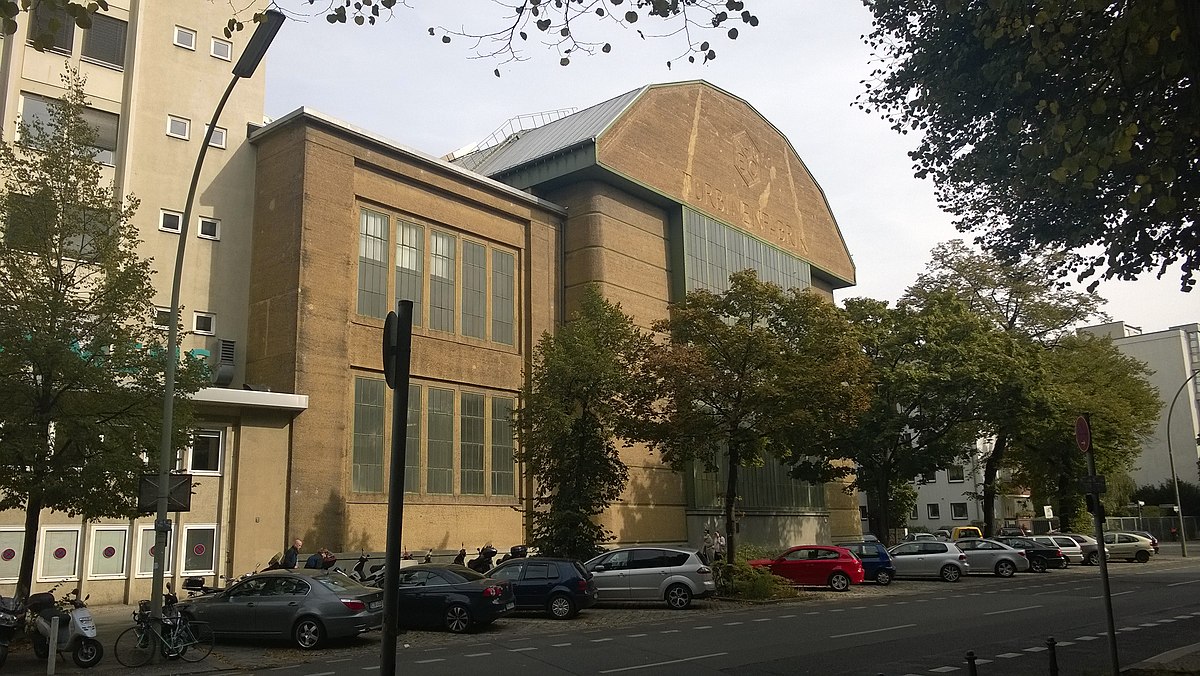
AEG's Turbine factory
📍 Berlin, Germany
The AEG Turbine Factory, an iconic structure in Berlin’s Bezirk Mitte, is a significant landmark that reflects the industrial heritage of the city. …
AKA-Radiergummifabrik
📍 Lower Saxony, Germany
The AKA-Radiergummifabrik, a significant former factory located in Hannover, Germany, offers a unique glimpse into the industrial past of the region. …

Alte Malzfabrik
📍 Lower Saxony, Germany
Alte Malzfabrik, located in Mülheim an der Ruhr, Germany, is an intriguing factory site that encapsulates the industrial heritage of the region. This …