
Ducal Museum Gotha
Overview
The Ducal Museum Gotha, located within the historic confines of Friedenstein Castle in Gotha, Thuringia, Germany, is a remarkable institution dedicated to the display and preservation of art. This museum is not only a repository of artistic works but also a significant cultural landmark in the region. Visitors to the museum can expect to explore an extensive collection that reflects the artistic and historical heritage of the area, all housed in a setting that embodies the grandeur of its architectural history.
Friedenstein Castle, where the museum is situated, has a long-standing history that enhances the museum’s allure. The castle itself is an architectural marvel, and the museum serves as a testament to the vision of the dukes who once ruled the surrounding territories. As a center for art and culture, the Ducal Museum Gotha invites art enthusiasts, historians, and casual visitors alike to immerse themselves in a world of creativity and historical significance.
With a diverse array of exhibitions, including paintings, sculptures, and decorative arts, the museum highlights the evolution of artistic expression from various eras. Whether you are an art aficionado or a curious traveler, the Ducal Museum Gotha promises an engaging exploration of art in a setting that is both inspiring and informative.
History and Significance
The Ducal Museum Gotha finds its origins in the collecting practices of the dukes of Saxe-Gotha-Altenburg, who established a rich tradition of patronage in the arts. While specific dates may not be detailed, the museum’s foundation can be traced back to the cultural aspirations of the dukes, who aimed to create a repository of art that would not only serve their own interests but also benefit the public.
Over the years, the museum has evolved, reflecting the shifting tides of taste and artistic movements. It has played a crucial role in preserving the artistic heritage of the region, showcasing pieces that range from the Renaissance to the modern era. This commitment to cultural preservation has made the Ducal Museum Gotha a vital institution for understanding the artistic landscape of Germany.
The museum’s significance extends beyond its collections; it serves as a center for cultural exchange, hosting exhibitions and events that engage the community and foster an appreciation for the arts. As such, it has become an integral part of Gotha’s cultural identity, drawing both local and international visitors who seek to explore its artistic offerings.
The Ducal Museum Gotha also contributes to the broader narrative of European art history, as its collections include works that reflect the diverse influences and styles that have shaped the continent’s artistic evolution. This makes the museum not only a local treasure but also a noteworthy destination for those interested in the wider context of art history.
Architecture and Features
The Ducal Museum Gotha is housed within Friedenstein Castle, a structure that showcases a blend of architectural styles reflecting its long history. The castle itself is a notable example of baroque architecture, characterized by its grand façades, elaborate ornamentation, and spacious interiors. Visitors to the museum will appreciate the striking contrast between the castle’s historical architecture and the modern sensibilities of the art displayed within.
Inside the museum, visitors will encounter a variety of galleries that feature a diverse range of artworks. The layout is designed to guide guests through the exhibits in a cohesive manner, allowing for both intimate engagement with individual pieces and a broader understanding of the thematic connections between them. The natural light that filters through the castle’s windows enhances the viewing experience, bringing the colors and details of the artwork to life.
Notable features of the museum include its collection of paintings, which spans various periods and styles, as well as its decorative arts section, which showcases intricate craftsmanship. The museum’s design also reflects a commitment to accessibility, with pathways and spaces that accommodate visitors of all abilities.
In addition to the art collections, the Ducal Museum Gotha often hosts temporary exhibitions that highlight specific themes or artists, further enriching the visitor experience. The museum’s dedication to both its permanent collections and innovative programming makes it a dynamic space for art appreciation.
Visiting Information
Visiting the Ducal Museum Gotha offers a unique opportunity to experience art set against the backdrop of an extraordinary historical site. When planning your visit, it is advisable to check the official website for current information regarding hours of operation and ticket prices, as these can vary.
Transport options to the museum include public transportation and private vehicles, with parking facilities available nearby. The museum is accessible for visitors using mobility aids. To fully appreciate the collections and exhibitions, it is recommended to allocate a few hours for your visit, allowing time to explore both the museum and the castle grounds.
The best times to visit are typically during weekdays, when the crowds are smaller, allowing for a more intimate viewing experience. Special events and exhibitions may draw larger crowds, so checking the museum’s calendar can help in planning your visit for a quieter time.
When visiting, expect to find a welcoming atmosphere, with knowledgeable staff available to provide information and assistance. The museum often features educational programs and guided tours, which can enhance your understanding of the artworks on display.
Nearby Attractions
The Ducal Museum Gotha is conveniently located near several attractions that enhance the cultural experience of your visit:
Friedenstein Castle: Explore the majestic castle itself, which houses the museum along with beautiful gardens and historical rooms.
The Botanical Garden Gotha: Just a short distance away, this garden features a diverse range of plant species and serene walking paths.
Heritage Museum Gotha: This local museum provides insights into the history and culture of the Gotha region, complementing your experience at the Ducal Museum.
St. Margaret’s Church: An architectural landmark in Gotha, this church is known for its stunning interiors and historical significance.
The Old Town of Gotha: Stroll through the charming streets of the Old Town, where you can admire historical buildings and enjoy local shops and cafes.
These attractions, along with the Ducal Museum Gotha, create a rich cultural itinerary for visitors to the area.
Insider Tips
To make the most of your visit to the Ducal Museum Gotha, consider the following insider tips:
Photography: Check the museum’s policy on photography before your visit, as some exhibitions may have restrictions.
Timing: Aim to visit during the early hours of the day or later in the afternoon to avoid peak crowds, especially on weekends.
Engage with Staff: Don’t hesitate to ask museum staff for insights or recommendations regarding exhibitions—many are passionate about the art and can enhance your experience.
Guided Tours: If available, consider joining a guided tour to gain deeper insights into the collections and their historical context.
Practical Information
When preparing for your visit to the Ducal Museum Gotha, keep the following practical considerations in mind:
What to Bring: Comfortable walking shoes are recommended, as you may spend considerable time exploring the castle grounds and museum. A water bottle and a small notebook can also be handy for jotting down thoughts or sketches.
Seasonal Considerations: The museum is generally open year-round, but checking for seasonal events or temporary exhibitions can enhance your visit.
Dining Options: Look into nearby cafes or restaurants for a break; some may offer local specialties that can round out your cultural experience.
Frequently Asked Questions
How long should I spend visiting?
A visit to the Ducal Museum Gotha typically lasts between two to four hours, allowing time for both the museum and the castle grounds.
Is photography allowed?
Photography policies may vary, so it’s best to check the museum’s rules upon arrival regarding photography in the exhibition spaces.
Are there guided tours?
The museum often offers guided tours, which can provide valuable insights into the collections and history. Check the official website for availability.
What’s the best time to visit?
Weekdays tend to be less crowded, making them an ideal time for a more relaxed experience.
Is it wheelchair accessible?
The museum is designed to accommodate visitors with mobility challenges, with accessible pathways throughout the facility.
Can I buy tickets online?
Check the official website for information regarding online ticket purchasing options and any potential discounts.
Are there restrooms and cafes?
Restroom facilities are available within the museum, and nearby cafes offer refreshments for visitors.
What should I wear?
Casual and comfortable attire is recommended, as you may be walking and standing for extended periods. Weather-appropriate clothing is also advisable, especially if you plan to explore the castle gardens.
The Ducal Museum Gotha offers an enriching experience for anyone interested in art and history, making it a must-visit destination in the heart of Germany.
More in Saxony-Anhalt

Ägidienkurie (Naumburg)
📍 Saxony-Anhalt, Germany
The Ägidienkurie, a quaint chapel located in the heart of Naumburg, Germany, offers visitors a glimpse into the rich ecclesiastical heritage of the …
Al-Kholafa´a Moschee
📍 Saxony-Anhalt, Germany
The Al-Kholafa´a Moschee, located in Weimar, Germany, is a significant religious site that embodies the cultural diversity of this historic city. As a …

Alte Oper
📍 Saxony-Anhalt, Germany
The Alte Oper, a distinguished theatre building in Erfurt, Germany, serves as a vibrant hub for cultural events and artistic performances. This …

Altes Schloss Dornburg
📍 Saxony-Anhalt, Germany
Altes Schloss Dornburg, a magnificent palace located in the charming region of Dornburg-Camburg, Germany, is a site that draws visitors with its …

Anatomieturm Jena
📍 Saxony-Anhalt, Germany
The Anatomieturm Jena, a historic tower located in the city of Jena, Germany, is an intriguing remnant of the region’s architectural heritage. This …

Andreaskirche (Erfurt)
📍 Saxony-Anhalt, Germany
The Andreaskirche, an emblematic church building located in the heart of Erfurt, Germany, stands as a significant architectural and cultural landmark. …
More Art Museums

Aachen Cathedral Treasury
📍 North Rhine-Westphalia, Germany
Aachen Cathedral Treasury, located in the historic city of Aachen, Germany, is a remarkable art museum that houses an impressive collection of …

Abteiberg Museum
📍 North Rhine-Westphalia, Germany
In the heart of Mönchengladbach, Germany, the Abteiberg Museum stands out as a prominent destination for art enthusiasts and cultural explorers alike. …

Akademisches Kunstmuseum
📍 North Rhine-Westphalia, Germany
In the heart of Bonn, Germany, lies the Akademisches Kunstmuseum, an art museum that invites visitors to explore a diverse collection of artworks …

Albertinum
📍 Saxony, Germany
Albertinum is a prominent art museum located in the heart of Dresden, Germany, serving as a significant cultural institution in the region. …

Albrecht Dürer's House
📍 Bavaria, Germany
Albrecht Dürer’s House stands as a significant cultural landmark in Nuremberg, Germany, celebrating the life and work of one of the Renaissance’s most …
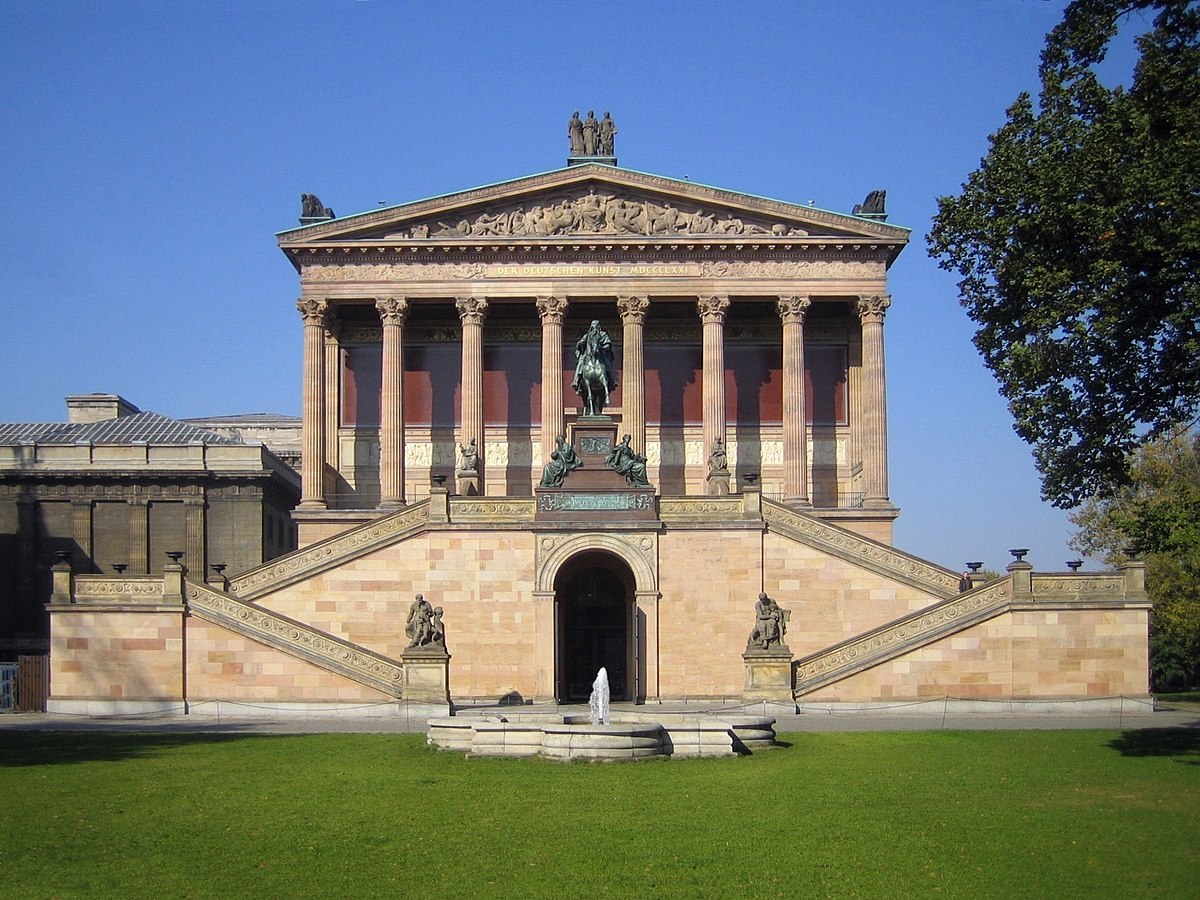
Alte Nationalgalerie
📍 Berlin, Germany
The Alte Nationalgalerie, an esteemed art museum located in Berlin’s Bezirk Mitte, is a cornerstone of cultural appreciation in Germany. This museum …