Overview
Dubringer Moor is a captivating nature reserve located in Sachsen, Germany, known for its diverse ecosystems and unique flora and fauna. This expansive area serves as a vital habitat for various wildlife species, making it an important ecological site within the region. Visitors to Dubringer Moor can expect a serene environment where they can immerse themselves in nature, observe wildlife, and appreciate the tranquility of the natural world. Whether you are an avid birdwatcher, a nature enthusiast, or simply seeking a peaceful retreat, Dubringer Moor offers an escape into the beauty of the outdoors.
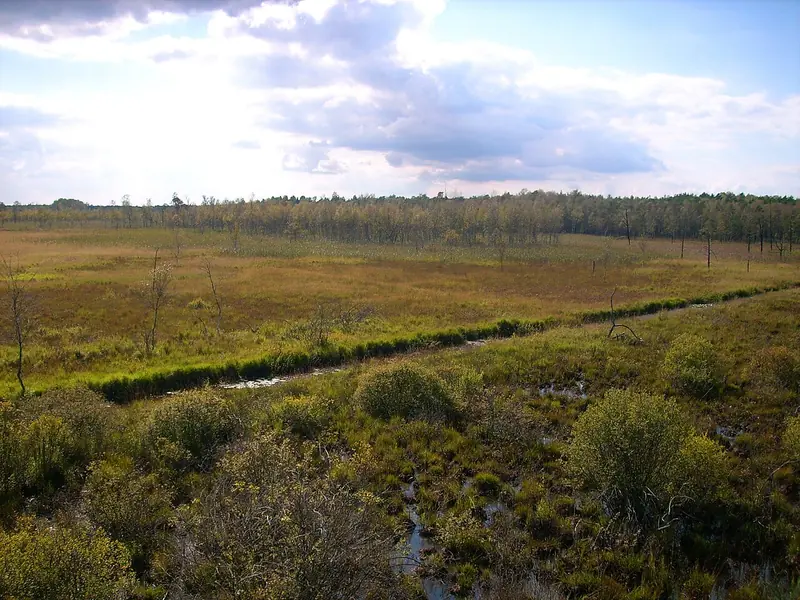
The reserve is characterized by its wetlands, meadows, and marshy areas, which contribute to its ecological significance. These environments not only provide a habitat for numerous species but also play a critical role in maintaining the region’s biodiversity. As part of Germany’s commitment to conserving natural landscapes, Dubringer Moor highlights the importance of preserving such areas for future generations.
For those looking to explore, Dubringer Moor is more than just a natural site; it is a place for contemplation and connection with nature. The reserve offers opportunities for hiking, wildlife observation, and enjoying the striking scenery that embodies the essence of Sachsen’s natural heritage.
History and Significance
While specific historical details about Dubringer Moor remain elusive, its designation as a nature reserve underscores its ecological importance. Nature reserves like Dubringer Moor are established to protect habitats that support diverse wildlife and plant species. The very essence of such areas is to maintain ecological balance and promote conservation efforts that are crucial in today’s world.
The cultural importance of Dubringer Moor can be observed in its role within local communities. Nature reserves often serve as educational sites where visitors can learn about the environment, conservation practices, and the significance of preserving natural habitats. This awareness contributes to a greater appreciation of the natural world and encourages responsible stewardship among visitors.
In addition, the reserve’s wetlands are vital for water management and play a role in flood control, highlighting the multifaceted importance of such ecosystems. The preservation of Dubringer Moor reflects broader conservation efforts in Germany and the European Union, aiming to protect biodiversity and promote sustainable practices in the face of environmental challenges.
Architecture and Features
Dubringer Moor is distinguished by its varied landscapes, which include wetlands, marshes, and open meadows. The natural architecture of the reserve is largely defined by its waterlogged soils and diverse plant life, which create an intricate ecosystem that supports numerous species of birds, insects, and other wildlife. The flora found here typically includes grasses, sedges, and various aquatic plants that thrive in moist conditions, contributing to the richness of the reserve.
Notable features of Dubringer Moor include its extensive network of pathways and observation points, designed to enhance the visitor experience while minimizing impact on the delicate ecosystem. These paths allow for easy exploration of the reserve, providing access to the best spots for wildlife observation and photography. Visitors may encounter a variety of bird species, making it a popular destination for birdwatching enthusiasts.
The natural beauty of the reserve is complemented by its tranquil atmosphere, providing an ideal setting for contemplation and relaxation. The absence of urban noise allows visitors to immerse themselves fully in the sounds of nature, from the gentle rustle of leaves to the calls of various birds.
Visiting Information
Reaching Dubringer Moor is straightforward, with access via local transport options that connect to nearby towns and cities. While specific details about transport services may vary, visitors are encouraged to check local resources for the best routes to the reserve.
Once at Dubringer Moor, guests can expect a well-maintained environment conducive to exploration. The network of pathways allows for a leisurely stroll, and depending on the areas covered, visitors should allocate a few hours to fully appreciate the reserve. The best times to visit are during the spring and autumn months when wildlife activity is at its peak and the weather is generally pleasant.
It is advisable to check the official website for current information regarding opening hours, admission prices, and any special events that may be taking place. Being prepared can enhance the overall experience at Dubringer Moor, allowing visitors to make the most of their time in this natural sanctuary.
Nearby Attractions
Visitors to Dubringer Moor will find several attractions in proximity to the reserve, enhancing their travel itinerary:
Sachsen’s Historic Towns: The region is home to several charming towns with rich histories, offering a glimpse into local culture and architecture.
Nature Trails: Explore additional nature trails nearby that provide further opportunities for hiking and wildlife observation.
Local Museums: Discover museums that focus on the natural history of Sachsen, providing context to the importance of reserves like Dubringer Moor.
Cultural Events: Keep an eye out for local festivals and events that celebrate the region’s heritage and connection to nature.
Scenic Lakes: Nearby lakes offer recreational activities such as fishing, boating, and swimming, providing a perfect complement to a day spent in nature.
Insider Tips
For the best photography opportunities, plan your visit during the early morning or late afternoon when natural light enhances the scenery. Birdwatchers should bring binoculars and be patient, as wildlife may not always be immediately visible.
To avoid crowds, consider visiting on weekdays or during off-peak seasons. This will allow for a more peaceful experience and greater chances to observe wildlife in their natural habitat.
Practical Information
When visiting Dubringer Moor, it is wise to bring a few essentials: sturdy walking shoes for navigating the pathways, plenty of water to stay hydrated, and a camera or binoculars for wildlife observation. Depending on the season, be prepared for varying weather conditions, including rain or cooler temperatures in the autumn months.
Consider visiting during the spring and summer for the best chances to see blooming flora and active wildlife. However, each season offers unique sights and sounds, making Dubringer Moor an appealing destination year-round.
Frequently Asked Questions
How long should I spend visiting?
A visit to Dubringer Moor typically requires a few hours, depending on your interests in hiking, wildlife observation, and photography.
Is photography allowed?
Yes, photography is allowed throughout Dubringer Moor. Early morning and late afternoon light can provide excellent conditions for capturing the beauty of the reserve.
Are there guided tours?
Information about guided tours is not specified. Check the official website for details on any available guided experiences.
What’s the best time to visit?
The ideal times to visit are spring and autumn when wildlife activity is high and temperatures are comfortable for outdoor exploration.
Is it wheelchair accessible?
Details regarding wheelchair accessibility are not provided. Visitors are advised to check the official website for more information.
Can I buy tickets online?
Information about online ticket purchasing is not available. It is recommended to check the official website for current admission details.
Are there restrooms and cafes?
Specific details on facilities such as restrooms and cafes are not mentioned. Visitors should look for information on the official website.
What should I wear?
Dress in comfortable clothing suitable for walking and the weather conditions. Sturdy shoes are recommended for exploring the pathways.
In summary, Dubringer Moor represents an essential ecological area within Sachsen, Germany, offering visitors the chance to connect with nature while enjoying the beauty and tranquility of a carefully preserved environment.



