Overview
The Dresden Panometer, an intriguing cultural site in Germany, captures the imagination with its unique blend of art, history, and technology. Located in the vibrant city of Dresden, this museum showcases a stunning cylindrical panorama that immerses visitors in breathtaking, large-scale visual narratives. The Panometer offers a fresh perspective on historical events and significant moments in time, inviting guests to engage with the past in an innovative manner. This attraction serves not only as a museum but also as a venue for cultural events, making it a dynamic part of Dresden’s rich artistic landscape.
Dresden, known for its baroque architecture and storied history, provides an ideal backdrop for the Panometer. The city’s past includes a blend of cultural flourishing and tragic destruction, especially during World War II. The Panometer plays a significant role in presenting these historical themes through its immersive exhibits. Visitors can expect a thought-provoking experience that challenges their perceptions of history and its representation.
History and Significance
The Dresden Panometer serves as a focal point for exploring the intersection of art and history. While specific founding dates and events surrounding its establishment are not detailed, the Panometer has become a key player in Dresden’s cultural scene. Its unique concept is based on the panoramic paintings of renowned artist Yadegar Asisi, who is known for creating life-sized, 360-degree representations of important historical moments.
The significance of the Panometer lies in its ability to convey complex narratives through visual art. By employing a cylindrical structure, the museum allows visitors to engage with the artwork from a central vantage point, creating an immersive experience that traditional flat displays cannot replicate. The rotating exhibitions cover various themes, often focusing on Dresden’s history, its architectural heritage, and the impact of historical events on the city’s landscape and society.
This approach to storytelling not only educates visitors about the past but also fosters a deeper understanding of the present. The Panometer’s exhibitions challenge conventional historical presentations, encouraging visitors to reflect on the interplay between memory, representation, and reality. The cultural importance of the Dresden Panometer extends beyond mere exhibition; it is a venue that stimulates dialogue about history’s relevance in contemporary society.
Architecture and Features
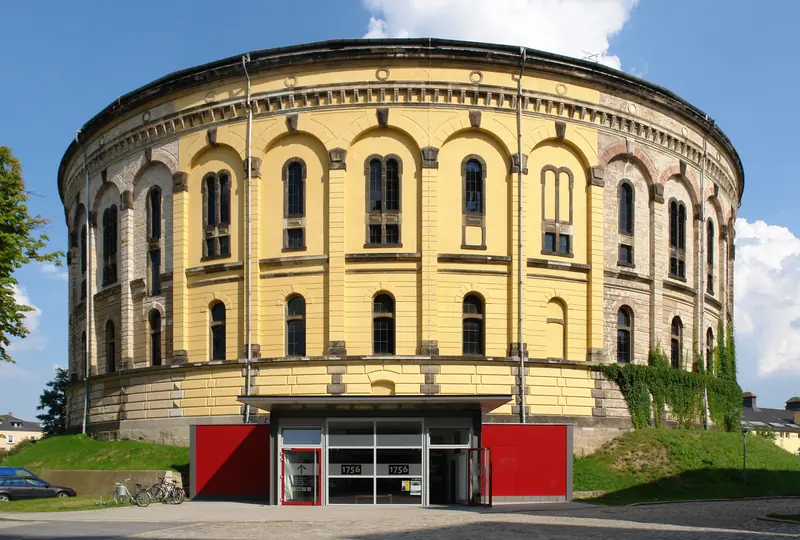
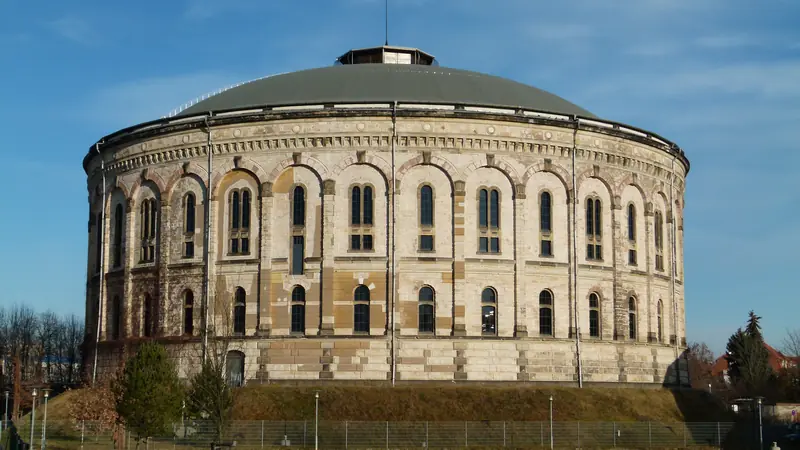
The architecture of the Dresden Panometer is as captivating as the exhibits it houses. The museum is designed in a cylindrical format, creating a unique spatial experience for visitors. The structure’s height and curved walls allow for the panoramic artworks to be displayed in a way that envelops the observer, enhancing the immersive quality of the experience.
Inside, the Panometer features a large-scale painted panorama that wraps around the entire interior of the structure. The artwork typically depicts significant historical scenes, meticulously crafted to provide depth and realism that draws viewers into the narrative being told. The lighting within the building is thoughtfully designed to enhance the visual experience, illuminating the artwork while maintaining an atmosphere conducive to contemplation.
In addition to the main exhibit space, the Panometer also includes areas for educational programs, workshops, and cultural events. These spaces are designed to engage a wide range of audiences, from families to history enthusiasts, making the museum a versatile venue for learning and cultural exchange.
The combination of innovative architecture and compelling art makes the Dresden Panometer a notable destination for both tourists and locals alike. Its design not only serves a functional purpose but also complements the rich artistic heritage of Dresden, reinforcing the city’s reputation as a center for culture and history.
Visiting Information
Reaching the Dresden Panometer is relatively straightforward, given its central location in the city. Public transportation, including trams and buses, provides convenient access. Visitors can check local transport schedules to plan their journey with ease.
Before planning your visit, check the official website for current information on hours and ticket prices. The museum typically offers ticketing options for individuals and families, as well as discounts for students and seniors.
Visitors can expect to spend approximately one to two hours exploring the exhibits, depending on individual interest levels and engagement with the material. The Panometer presents an opportunity for an educational experience that encourages reflection and discussion.
For the best experience, consider visiting during weekdays or early in the day when crowds are likely to be smaller. This allows for a more intimate engagement with the exhibits and a chance to fully absorb the narratives presented.
Nearby Attractions
Dresden is home to numerous attractions that complement a visit to the Panometer. Nearby, visitors can explore:
Dresden’s Old Town: A UNESCO World Heritage Site, this area features stunning baroque architecture, including the famous Frauenkirche and the Zwinger Palace.
Semper Opera House: This iconic opera house offers guided tours and performances, showcasing the city’s rich musical heritage.
Dresden Castle: A historical landmark that houses several museums, including the Green Vault, known for its extensive collection of treasures.
Brühl’s Terrace: Often referred to as “the balcony of Europe,” this scenic promenade offers beautiful views of the Elbe River and city skyline.
The Albertinum: This art museum is home to the New Masters Gallery and the Sculpture Collection, featuring works from the Romantic period to contemporary art.
These attractions provide a well-rounded experience of Dresden’s cultural offerings, making the city a destination rich in history and artistry.
Insider Tips
For photography enthusiasts, the Panometer offers unique opportunities to capture stunning images of the panoramic artworks. However, it’s advisable to check for any specific photography guidelines upon entering. Early morning or late afternoon visits can provide optimal lighting for photography, with fewer visitors in attendance.
To avoid crowds, consider visiting during weekdays or during off-peak hours, such as early in the morning or later in the afternoon. This allows for a more relaxed experience, giving you the time to absorb the art and engage with the exhibits at your own pace.
Practical Information
When planning your visit to the Dresden Panometer, be sure to bring comfortable walking shoes, as the museum may require standing for extended periods while taking in the exhibits. Depending on the season, consider dressing in layers to accommodate changing temperatures, particularly if visiting in cooler months.
During warmer months, hydration is essential, so carrying a water bottle is recommended. Additionally, check the official website for any seasonal events or special exhibitions that might be taking place during your visit, as these can enhance your experience.
Frequently Asked Questions
How long should I spend visiting?
A visit typically takes about one to two hours, depending on your interest level in the exhibits and any additional activities you may choose to engage in.
Is photography allowed?
Photography is generally permitted, but it is advisable to check for any specific guidelines upon entering the museum.
Are there guided tours?
Guided tours may be available, providing deeper insights into the exhibits and the history of the Panometer. Check the official website for more details.
What’s the best time to visit?
Weekdays or early mornings are ideal for avoiding crowds and enjoying a more intimate experience with the exhibits.
Is it wheelchair accessible?
The Dresden Panometer is designed to be accessible, but it’s a good practice to verify specific accessibility features on the official website before your visit.
Can I buy tickets online?
Tickets are often available for purchase online, allowing you to secure your entry in advance. Check the official website for current options.
Are there restrooms and cafes?
The facility typically includes restrooms and may offer a café or seating area for visitors to relax.
What should I wear?
Comfortable clothing and shoes are recommended, particularly if you plan to spend time walking and exploring the exhibits. Dress in layers for seasonal weather variations.
In conclusion, the Dresden Panometer stands as a compelling destination for those eager to explore the intersection of art and history. With its innovative exhibitions and engaging atmosphere, it promises a memorable experience for visitors of all ages.
Photo Gallery