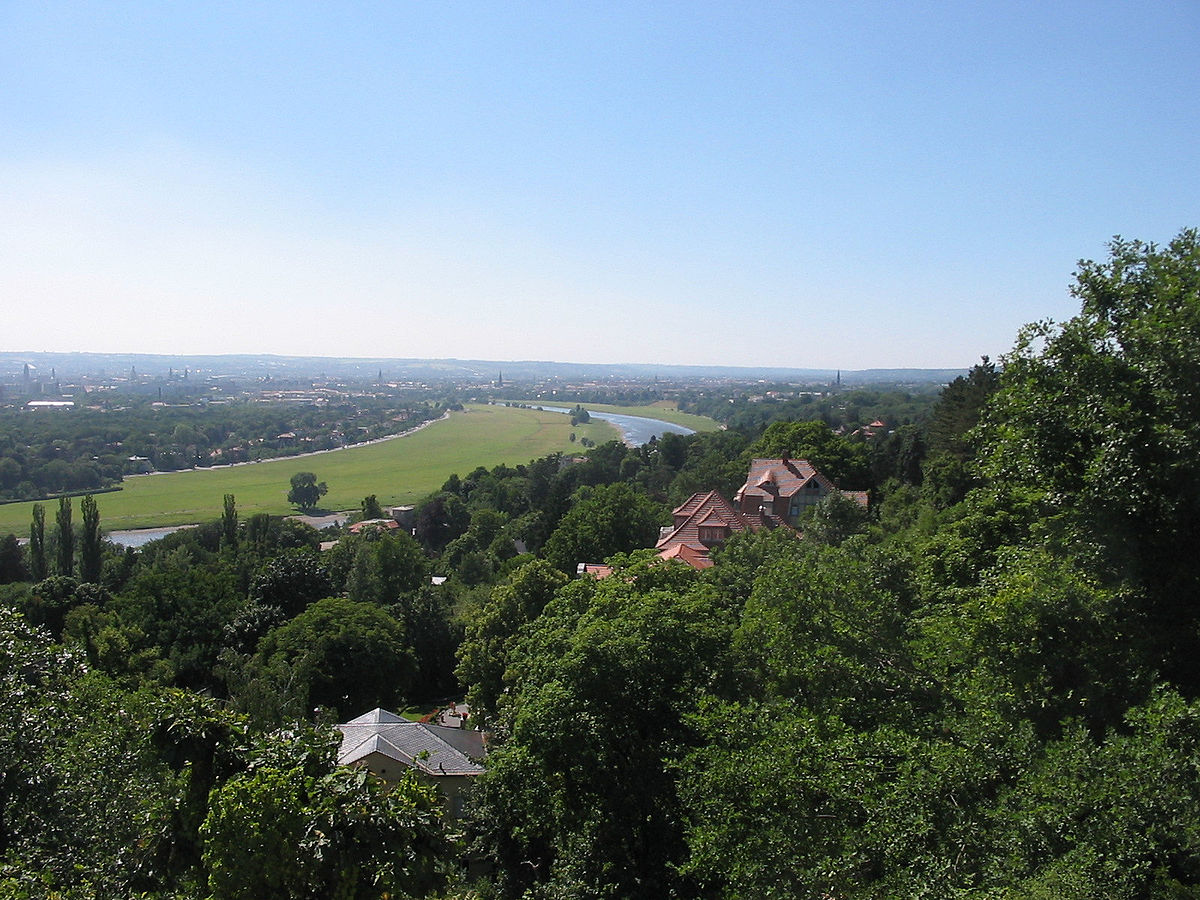
Dresden Elbe Valley
Overview
The Dresden Elbe Valley, a UNESCO World Heritage Site, is a cultural landscape that reflects the rich historical and artistic heritage of Saxony, Germany. This region is characterized by its picturesque scenery along the Elbe River, where vibrant green hills and charming towns come together to create a serene environment. The valley’s significance lies in its long-standing cultural traditions, which have shaped the development of art, architecture, and urban planning in the area. Visitors to the Dresden Elbe Valley can expect to immerse themselves in a landscape that has inspired artists, musicians, and writers throughout the centuries.
Situated in the heart of Saxony, the Dresden Elbe Valley encompasses a variety of cultural and natural elements that highlight the harmonious relationship between humanity and the environment. This area serves as a testimony to the evolution of the Dresden region and its historical significance as a center of power and culture. The valley not only showcases the beauty of its natural surroundings but also the architectural and artistic achievements that represent the Baroque and Renaissance periods.
Exploring the Dresden Elbe Valley promises a unique experience that combines scenic beauty with cultural exploration. Whether you’re interested in history, art, or simply enjoying the tranquil landscapes, this cultural landscape offers something for everyone.
History and Significance
The history of the Dresden Elbe Valley is deeply intertwined with the development of the city of Dresden itself. The area has long been a vital hub for trade and culture, with its location along the Elbe River providing a strategic advantage for commerce and transportation. The valley’s significance grew as it became a center for the arts, particularly during the reign of Augustus the Strong, Elector of Saxony and King of Poland, in the early 18th century. Augustus was instrumental in transforming Dresden into a cultural hotspot, commissioning remarkable architectural projects and fostering artistic endeavors.
The cultural landscape of the Dresden Elbe Valley is marked by its exceptional blend of natural beauty and human achievement. The valley has been a source of inspiration for countless artists, including painters and composers, who have drawn upon its striking scenery and rich history. The region showcases the interplay between the built environment and the natural landscape, exemplified by its grand palaces, gardens, and historical structures.
The Dresden Elbe Valley’s designation as a UNESCO World Heritage Site underscores its importance as a cultural landscape that reflects the evolution of a society and its artistic expressions. This recognition highlights the need for preservation and appreciation of such sites, ensuring that future generations can experience the unique blend of nature and culture that the valley represents.
Architecture and Features
The architectural features of the Dresden Elbe Valley are a significant aspect of its cultural landscape. The area is characterized by a variety of historical structures, including palaces, churches, and gardens that showcase the artistic styles of the Baroque and Renaissance periods. These buildings not only reflect the aesthetic values of their time but also serve practical purposes, contributing to the daily life and cultural practices of the region.
One of the most notable architectural landmarks in the Dresden Elbe Valley is the Zwinger Palace, an exemplary Baroque structure that houses several museums and art collections. Surrounding the palace, beautifully landscaped gardens provide a serene atmosphere for visitors to enjoy. The blend of architecture and nature in this area creates an inviting environment that encourages exploration and appreciation.
In addition to the Zwinger Palace, the valley features other significant structures such as the Dresden Frauenkirche, a magnificent Lutheran church that has become a symbol of the city’s resilience and renewal. The church’s impressive dome and intricate interior design highlight the craftsmanship and artistic prowess of the time.
The cultural landscape of the Dresden Elbe Valley is further enriched by its vineyards and agricultural landscapes, which contribute to the region’s scenic beauty and agricultural heritage. These elements, combined with the historical buildings, create a harmonious environment that tells the story of the valley’s development over centuries.
Visiting Information
Visitors to the Dresden Elbe Valley will find a range of transportation options to access this cultural landscape. The region is well-connected through public transportation, including trains and buses, making it easy to reach from nearby cities. Driving is also a viable option, with several parking facilities available in the area.
Check the official website for current information regarding hours and prices, as these can vary depending on the season and specific attractions within the valley. Visitors can expect to spend a few hours exploring the prominent sites, such as the Zwinger Palace and the Frauenkirche, as well as enjoying the natural landscapes that characterize the valley.
The best times to visit the Dresden Elbe Valley are during the spring and fall months when the weather is mild and the landscapes are particularly vibrant. Visiting during these seasons allows for pleasant outdoor experiences, whether strolling through gardens or enjoying views along the Elbe River.
Nearby Attractions
While exploring the Dresden Elbe Valley, consider visiting these nearby attractions that enhance the experience:
Zwinger Palace: A stunning Baroque palace complex featuring museums and beautiful gardens, located in the heart of Dresden.
Dresden Frauenkirche: This iconic church, reconstructed after its destruction in World War II, is renowned for its impressive architecture and historical significance.
Brühl’s Terrace: Often referred to as the “Balcony of Europe,” this terrace offers scenic views of the Elbe River and the city skyline, perfect for a leisurely stroll.
Pillnitz Palace and Park: Located along the river, this former royal palace features exquisite gardens and is an excellent place for a peaceful day out.
Saxon Switzerland National Park: A short drive from the valley, this national park is famous for its dramatic rock formations and hiking trails, appealing to nature enthusiasts.
Insider Tips
For photography enthusiasts, the Dresden Elbe Valley offers numerous picturesque spots. Early morning or late afternoon light enhances the beauty of the landscapes and architectural features. Be mindful of the crowds, especially during peak tourist seasons, and consider visiting popular sites during weekdays or early in the day for a more serene experience.
To avoid the busiest times, plan your visit for the shoulder seasons of spring and fall, when the weather is still pleasant, yet the crowds are thinner. Additionally, exploring lesser-known paths or viewpoints can lead to unique photographic opportunities away from the main tourist routes.
Practical Information
When visiting the Dresden Elbe Valley, it’s advisable to wear comfortable shoes suitable for walking, as many areas are best explored on foot. Bringing a reusable water bottle is also a good idea, especially during warmer months. Depending on the season, be prepared for varying weather conditions; layers may be necessary to adapt to changes throughout the day.
For those interested in local cuisine, sampling regional dishes at nearby cafes and restaurants can enhance the experience. Seasonal considerations, such as local festivals or events, may also offer unique cultural insights and opportunities for engagement with the area’s heritage.
Frequently Asked Questions
How long should I spend visiting?
A visit of around 3 to 5 hours is recommended to adequately explore key sites and enjoy the natural surroundings.
Is photography allowed?
Yes, photography is generally allowed in public areas and at most attractions within the Dresden Elbe Valley.
Are there guided tours?
Guided tours may be available at certain attractions, providing insights into the history and significance of the sites.
What’s the best time to visit?
Spring and fall are ideal for visiting, offering mild weather and vibrant landscapes.
Is it wheelchair accessible?
Accessibility varies by site; check individual attractions for specific information regarding wheelchair access.
Can I buy tickets online?
Check the official website for availability of online ticket purchases for specific attractions within the valley.
Are there restrooms and cafes?
Facilities such as restrooms and cafes are typically available at major attractions; however, it’s wise to confirm with specific locations.
What should I wear?
Dress comfortably and appropriately for the weather, considering layers for changing conditions throughout the day.
More in Saxony

6. Grundschule "Am Großen Garten"
📍 Saxony, Germany
The 6. Grundschule “Am Großen Garten” stands as a significant educational institution in Dresden, Germany, embodying the principles of early childhood …

Albertinum
📍 Saxony, Germany
Albertinum is a prominent art museum located in the heart of Dresden, Germany, serving as a significant cultural institution in the region. …

All Saints Church, Dresden
📍 Saxony, Germany
All Saints Church, located in the vibrant city of Dresden, Germany, is a remarkable church building that captures the essence of the region’s …

Altarstein (Saxon Switzerland)
📍 Saxony, Germany
Altarstein, located in the picturesque region of Saxon Switzerland, Germany, is a captivating monument that draws visitors into its historical …

Alte Nikolaischule (Leipzig)
📍 Saxony, Germany
Alte Nikolaischule, located in the heart of Leipzig, Germany, is a significant educational institution with a rich heritage. Founded as a school, it …
Alte Schulbrücke Oberbobritzsch
📍 Saxony, Germany
The Alte Schulbrücke Oberbobritzsch is a striking bridge situated in the Bobritzsch-Hilbersdorf region of Germany. This structure serves not only as a …
More Cultural Landscapes

Altes Land
📍 Lower Saxony, Germany
Altes Land, located in northern Germany, is a remarkable cultural landscape that reflects the unique agricultural heritage and traditional practices …

Altmark
📍 Brandenburg, Germany
The Altmark region, located in the northwestern part of Saxony-Anhalt, Germany, offers a unique glimpse into a cultural landscape shaped by centuries …
Annaberg-Frohnau Mining Landscape
📍 Bavaria, Germany
The Annaberg-Frohnau Mining Landscape, located in Germany, represents a significant chapter in the story of European industrial heritage. This …
Buchholz Mining Landscape
📍 Bavaria, Germany
The Buchholz Mining Landscape, located in Germany, is a remarkable cultural landscape that offers a glimpse into the historical significance of mining …
Ehrenfriedersdorf Mining Landscape
📍 Saxony, Germany
The Ehrenfriedersdorf Mining Landscape, a significant cultural landscape in Germany, invites visitors to explore a rich history of mining that has …