Overview
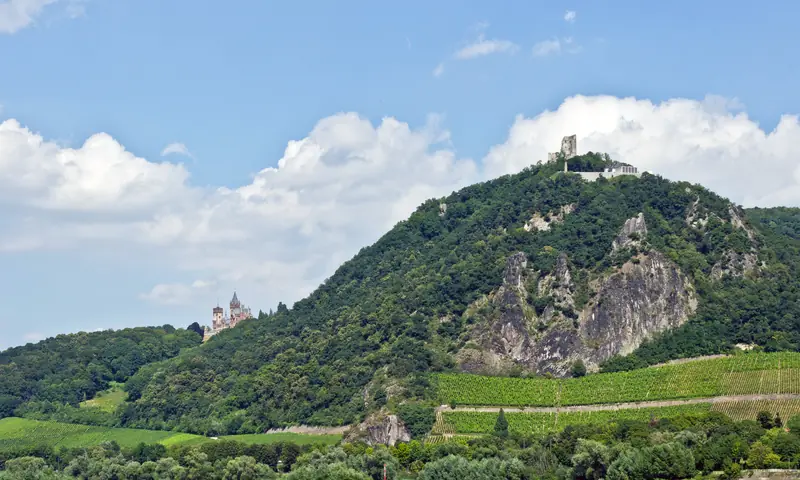
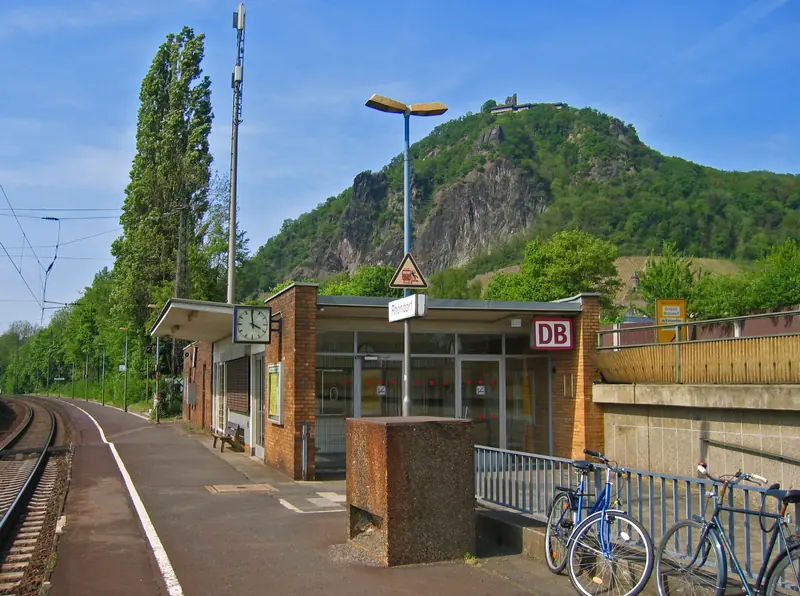
Drachenfels, a prominent mountain located in the Siebengebirge range of Germany, presents a striking silhouette against the landscape. With its rugged terrain and rich cultural significance, Drachenfels offers visitors not just a physical ascent, but also a journey into the heart of German heritage and natural beauty. The mountain stands as a popular destination for hikers, nature enthusiasts, and those seeking a glimpse into the stories woven into the region’s history.
Set in the picturesque state of North Rhine-Westphalia, Drachenfels is part of a UNESCO Biosphere Reserve, highlighting the ecological importance of the area. The mountain’s name, which translates to “Dragon’s Rock,” is steeped in local legend, adding an element of mystique to its allure. The mountain rises to approximately 321 meters above sea level, providing a commanding view of the Rhine River and the surrounding landscape. Visitors are drawn not only to its natural beauty but also to the various trails that wind through the area, offering unique perspectives of the flora and fauna that thrive in this diverse ecosystem.
Whether you are an avid hiker or a casual visitor, Drachenfels promises an enriching experience, blending outdoor adventure with cultural exploration. As you embark on this journey, prepare to uncover the stories behind this mountain and the role it plays in the natural and historical tapestry of the region.
History and Significance
The history of Drachenfels is deeply intertwined with the legends and folklore of the Rhine region. The mountain’s name is derived from the tale of the dragon that supposedly lived in the area, a narrative that has captured the imagination of many over the centuries. This mythical creature is said to have guarded a treasure, and its stories have inspired various artistic representations, including literature and paintings.
Drachenfels has been a site of human activity for centuries, with evidence of settlement in the vicinity dating back to prehistoric times. The mountain has served as a strategic location for various fortifications throughout history, particularly during the Middle Ages. The ruins of a castle atop Drachenfels, known as the Drachenfels Castle, date back to the 12th century. This castle played a crucial role in the defense of the region and has become a symbol of the area’s historical significance.
In the 19th century, Drachenfels gained popularity as a tourist destination, particularly among the Romantic movement, which celebrated nature and the sublime. Poets, artists, and philosophers were drawn to the mountain, contributing to its status in German culture. The scenic railway that ascends the mountain, established in the 19th century, further facilitated access, allowing more people to experience its beauty. Today, Drachenfels continues to attract visitors from around the world, serving as a reminder of the region’s rich natural and cultural heritage.
Architecture and Features
Drachenfels is characterized by its dramatic cliffs and rugged landscapes, making it a striking feature within the Siebengebirge mountain range. The mountain’s geological composition consists primarily of limestone, which has shaped its distinct formations and steep ascents. As you approach the summit, you will encounter a series of rocky outcrops and natural terraces that provide vantage points for observing the surrounding area.
The most notable architectural feature on Drachenfels is the ruins of the Drachenfels Castle. Although much of the structure is in a state of ruin, it remains an important historical landmark. The castle’s remnants include walls and foundations that hint at its former grandeur, providing insight into medieval construction techniques. Visitors can explore the site, which is surrounded by lush greenery and offers panoramic views of the Rhine Valley.
In addition to the castle, the mountain features several well-marked trails that guide hikers through diverse ecosystems. These trails vary in difficulty, accommodating both seasoned hikers and casual walkers. Along the way, you may encounter unique flora and fauna, adding to the natural charm of the area. The combination of historical ruins and natural beauty makes Drachenfels a site of multifaceted interest.
Visiting Information
Visiting Drachenfels is an adventure that appeals to both nature lovers and history enthusiasts. To reach the mountain, you can start from the nearby town of Königswinter, which is accessible by public transport. There are various options for reaching the summit, including hiking trails that range in difficulty and a scenic railway that offers a leisurely ascent.
As you plan your visit, check the official website for current information regarding hours and prices, as these can vary seasonally. Expect to spend approximately 2-4 hours at Drachenfels if you plan to hike, explore the castle ruins, and enjoy the views. For those interested in a more leisurely experience, taking the railway can shorten your time spent on the mountain.
The best times to visit Drachenfels are during the spring and fall, when the weather is mild and the landscapes are particularly vibrant. Summer months can draw larger crowds, so if you prefer a quieter experience, consider visiting during weekdays.
Nearby Attractions
Drachenfels is not only a destination in itself but also serves as a gateway to several nearby attractions, enriching your visit to the region:
Siebengebirge Nature Park: This expansive park encompasses several mountains and offers numerous hiking trails, scenic views, and opportunities for wildlife observation.
Königswinter: The charming town at the foot of Drachenfels features historic buildings, shops, and restaurants. It serves as a great starting point for your adventures.
Niederwald Monument: Located a short distance away, this monument commemorates the unification of Germany and provides stunning views of the Rhine Valley.
Rhine River Cruises: Explore the scenic beauty of the Rhine through various boat tours that provide a different perspective of the landscape and nearby castles.
Bonn: Just a short drive from Drachenfels, the former capital of West Germany offers museums, historical sites, and vibrant urban life.
Insider Tips
To capture the essence of Drachenfels, consider visiting early in the morning or later in the afternoon to avoid the larger crowds that typically gather during midday. This timing also allows for softer lighting, perfect for photography enthusiasts aiming to capture the stunning vistas.
When taking photographs, be sure to explore different angles and perspectives from various points along the trails. The rocky outcrops and castle ruins provide unique framing opportunities for your shots.
Additionally, consider bringing a picnic to enjoy at one of the viewpoints, as the combination of fresh air and scenic surroundings creates a memorable dining experience.
Practical Information
When preparing for your visit to Drachenfels, consider the following practical tips:
What to Bring: Wear comfortable hiking shoes, and bring a refillable water bottle, sunscreen, and a camera. A light jacket may be useful, as temperatures can be cooler at higher elevations.
Seasonal Considerations: The trails can be slippery during wet conditions, so be cautious when hiking after rain. Spring and fall are ideal for mild weather and blooming landscapes.
Accessibility: While some trails are accessible for various fitness levels, check specific routes for wheelchair accessibility if needed.
Safety: Always stay on marked trails, and inform someone of your hiking plans if you venture alone.
Frequently Asked Questions
How long should I spend visiting?
A visit to Drachenfels typically takes 2-4 hours, depending on your interest in hiking and exploring the castle ruins.
Is photography allowed?
Yes, photography is permitted throughout the mountain and its ruins, offering many opportunities for stunning shots.
Are there guided tours?
While there are no formal guided tours specifically for Drachenfels, local guides may offer tours in the surrounding area, and informational signs are present along the trails.
What’s the best time to visit?
Spring and fall are ideal times to visit Drachenfels, providing pleasant weather and fewer crowds.
Is it wheelchair accessible?
Some trails may accommodate wheelchair access, but check specific routes for accessibility information.
Can I buy tickets online?
Check the official website for information regarding ticket purchases, as availability may vary.
Are there restrooms and cafes?
Facilities may be limited on the mountain, so plan accordingly. It is advisable to bring snacks and water.
What should I wear?
Dress in layers and wear comfortable hiking shoes, as conditions can change rapidly at higher elevations.
Photo Gallery