
Dottistraße (Berlin-Lichtenberg)
Overview
Dottistraße in Berlin-Lichtenberg is an architectural ensemble that encapsulates the unique urban development of mid-20th century East Berlin. This residential complex stands as a significant representation of post-war architecture, reflecting the social and political changes of its era. Located in one of Berlin’s vibrant districts, Dottistraße offers visitors a glimpse into the living conditions and design philosophies that shaped urban life during a pivotal moment in German history. As you stroll through this area, you’ll encounter a harmonious blend of functionality and aesthetic appeal, showcasing the innovative spirit of its time.
This architectural ensemble is more than just a collection of buildings; it represents a way of life that many Berliners experienced during the communist era. Its significance extends beyond its physical presence, touching on the themes of community, resilience, and the evolution of urban living in Berlin. Exploring Dottistraße allows for an appreciation of how architecture can reflect societal values and aspirations.
History and Significance
Dottistraße is a compelling example of residential architecture from a time when East Berlin was undergoing significant transformation. Following World War II, the city faced the daunting task of rebuilding, particularly in the eastern sector, which was under Soviet influence. The architectural designs of this period were heavily influenced by socialist principles, prioritizing functionality and community living over individualism.
The site was developed during a time when Berlin was divided, and the architectural choices made here were reflective of the socio-political context of the era. The buildings were designed to provide affordable housing for the working class, emphasizing communal spaces and accessibility. As such, Dottistraße not only served as a home for many but also became a symbol of the East German government’s efforts to create a new society based on socialist ideals.
Over the years, this architectural ensemble has witnessed the transformation of Berlin from a divided city to a reunified capital. As urban development continues, sites like Dottistraße remind us of the historical narratives that have shaped contemporary Berlin. Its significance lies not only in its architectural style but also in its role as a living archive of the city’s past.
Architecture and Features
The architectural ensemble at Dottistraße showcases a distinct style that emerged in East Germany during the mid-20th century. Characterized by functional designs, the complex emphasizes utility while still incorporating elements of aesthetic consideration. The buildings are primarily constructed from concrete, a material that was widely used during this period, allowing for efficiency in both construction and maintenance.
Notable features of Dottistraße include its modular layout, which facilitates a sense of community among residents. The buildings are designed to create open spaces, encouraging interaction and socialization among neighbors. The facades often display a combination of muted colors and simple geometric forms, reflecting the architectural trends of the time.
Landscaping also plays a crucial role in the overall design of the ensemble. Green spaces and communal areas provide residents with a sense of openness and connection to nature, contrasting with the dense urban environment. This integration of nature into the architectural framework exemplifies the design philosophy of the era, which sought to enhance the quality of life for its inhabitants.
Visiting Information
Dottistraße is accessible via public transportation, with various tram and bus lines serving the area. Visitors can easily reach the site from central Berlin, making it a convenient stop for those exploring the city’s architectural landscape. To ensure a smooth visit, check the official website for current information regarding any specific access points or potential restrictions.
When planning your visit, consider allocating around one to two hours to fully appreciate the architecture and the surrounding environment. The best times to visit are during the late morning or early afternoon when the light enhances the building’s features, allowing for better photography opportunities.
While there are no dedicated visitor facilities within Dottistraße, nearby neighborhoods offer cafes and shops where you can take a break. It’s advisable to check the official website for hours and any potential events that may affect accessibility.
Nearby Attractions
Friedrichsfelde Palace: A short distance away, this historic palace is surrounded by a picturesque park, offering insights into the region’s aristocratic past.
Tierpark Berlin: One of Europe’s largest zoos, Tierpark Berlin is located nearby and provides an excellent family-friendly option for those looking to explore more of the local area.
Stasi Museum: Located in the former headquarters of the East German secret police, this museum offers a fascinating look into the surveillance methods used during the GDR era.
Karlshorst Museum: This museum commemorates the end of World War II in Europe and is situated not far from Dottistraße, attracting history enthusiasts.
Lichtenberg District: The surrounding district itself is rich in history and offers various local shops, eateries, and cultural experiences worth exploring.
Insider Tips
For the best photography results, try visiting during the golden hour, either early in the morning or late in the afternoon. The natural lighting enhances the architectural details and provides a more vibrant backdrop.
To avoid crowds, consider visiting on weekdays rather than weekends. This not only allows for a more personal experience but also provides an opportunity to engage with the local community.
Practical Information
When visiting Dottistraße, it’s advisable to wear comfortable walking shoes, as you may want to explore the surrounding neighborhood. Given the urban setting, carrying a reusable water bottle can also be beneficial, especially during warmer months.
Seasonal considerations are important; spring and early autumn offer mild weather ideal for outdoor exploration. In winter, ensure you dress warmly, as temperatures can drop significantly in Berlin.
Frequently Asked Questions
How long should I spend visiting?
Plan to spend approximately one to two hours exploring Dottistraße to fully appreciate the architecture and its context.
Is photography allowed?
Yes, photography is permitted throughout the area, but be mindful of residents’ privacy.
Are there guided tours?
While there may not be official guided tours specifically for Dottistraße, local walking tours of Berlin often include insights into the architectural ensemble.
What’s the best time to visit?
Late morning or early afternoon is ideal for visiting, as the natural light enhances the architectural details.
Is it wheelchair accessible?
Check the official website for current accessibility information, as conditions may vary.
Can I buy tickets online?
There are no tickets required for entry to Dottistraße; however, check the official website for any potential events or activities that may require tickets.
Are there restrooms and cafes?
Facilities are limited within Dottistraße, but nearby neighborhoods offer several cafes and restrooms.
What should I wear?
Comfortable clothing and shoes are recommended, especially if you plan to explore the surrounding areas.
More in Berlin

144., 176. und 184. Gemeindeschule
📍 Berlin, Germany
The 144., 176. und 184. Gemeindeschule, an architectural ensemble located in the vibrant city of Berlin, stands as a noteworthy example of educational …

Academy of Arts (Hanseatenweg)
📍 Berlin, Germany
The Academy of Arts (Hanseatenweg) stands as an emblem of Berlin’s vibrant cultural landscape, located in the historic Hansaviertel district. Renowned …

Academy of Arts, Berlin
📍 Berlin, Germany
The Academy of Arts in Berlin is not just a museum; it is a prominent national institution dedicated to the advancement of the arts in Germany. …

Academy of the Konrad-Adenauer-Stiftung
📍 Berlin, Germany
The Academy of the Konrad-Adenauer-Stiftung, located in the heart of Berlin, is not just a foundation but a hub of intellectual discourse and …

ACUD
📍 Berlin, Germany
Located in the heart of Berlin’s Bezirk Mitte, ACUD serves as a vibrant cultural center and cinema, showcasing an array of films and events that …

Admiralspalast
📍 Berlin, Germany
Admiralspalast is a prominent theatre and event venue located in the heart of Berlin, Germany. This architectural gem serves as a cultural hub, …
More Architectural Ensembles
144., 176. und 184. Gemeindeschule
📍 Berlin, Germany
The 144., 176. und 184. Gemeindeschule, an architectural ensemble located in the vibrant city of Berlin, stands as a noteworthy example of educational …

Adelheidstraße 3–7, 9–12, 12a, 14, 15, 22–31, Amelungstraße 1, Friedrich-Ebert-Platz
📍 Lower Saxony, Germany
In the heart of Quedlinburg, Germany, lies a captivating architectural ensemble that reflects the town’s historical significance and cultural …

Aegidiimarkt
📍 Lower Saxony, Germany
Aegidiimarkt is a captivating architectural ensemble located in the heart of Münster, Germany. This vibrant square not only serves as a hub for local …
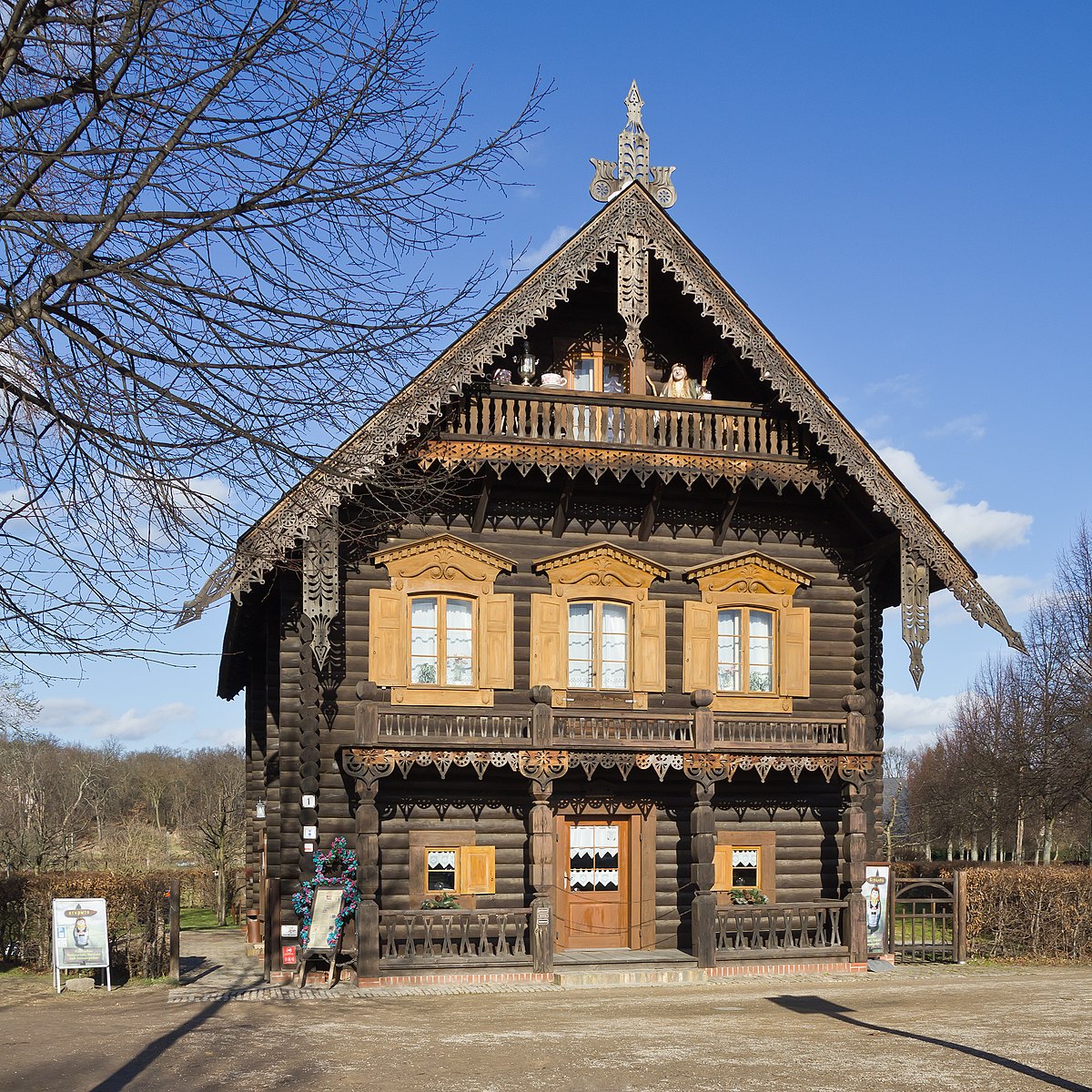
Alexandrowka
📍 Brandenburg, Germany
Located in the picturesque city of Potsdam, Germany, Alexandrowka is an intriguing architectural ensemble that reflects a unique blend of Russian and …

Alhauser Hammer
📍 North Rhine-Westphalia, Germany
Alhauser Hammer is a remarkable architectural ensemble located in Ennepetal, Germany, known for its historical significance as a water-driven hammer …

Alsdorfer Ölmühle
📍 North Rhine-Westphalia, Germany
The Alsdorfer Ölmühle, an architectural ensemble located in the heart of Alsdorf, Germany, is a remarkable example of a traditional watermill that …