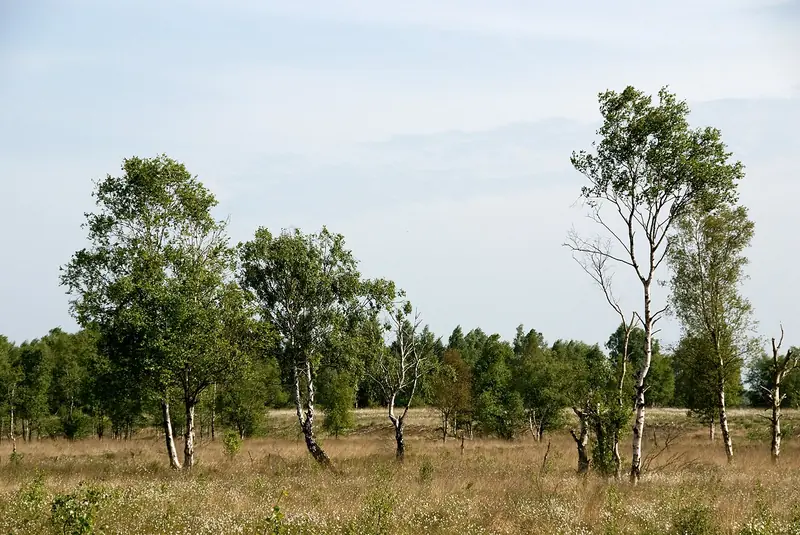
Overview
Dosenmoor is a captivating nature reserve located in Schleswig-Holstein, Germany, where the delicate balance of ecosystems thrives. This expansive reserve provides a haven for various wildlife species and offers visitors a unique opportunity to explore the beauty of Germany’s natural landscapes. With its rich biodiversity, Dosenmoor serves as a vital ecological area, contributing to conservation efforts and environmental awareness.
The reserve features a combination of wetlands, peat bogs, and diverse flora, making it an ideal spot for nature enthusiasts and eco-tourists alike. Whether you are an avid birdwatcher, a botanist, or simply someone seeking tranquility in nature, Dosenmoor promises an enriching experience steeped in natural beauty and ecological significance.
History and Significance
While specific historical details about Dosenmoor may be limited, the natural reserve represents a crucial facet of Germany’s environmental heritage. The area has long been recognized for its ecological importance, serving as a habitat for numerous species of plants and animals. The preservation of such natural sites is pivotal for maintaining biodiversity and supporting various ecosystems.
Dosenmoor plays an essential role in fostering awareness around conservation issues. Nature reserves like this are critical in counteracting habitat loss and environmental degradation, which are pressing challenges in the modern world. The establishment of Dosenmoor reflects a commitment to safeguarding unique ecosystems for future generations, highlighting the importance of conservation efforts in the face of climate change and urban development.
The natural reserve also serves as a site for research and education, allowing scientists and students alike to study its unique habitats and learn about conservation practices. As a focal point for ecological research, Dosenmoor contributes to a greater understanding of the interplay between human activity and natural environments, emphasizing the need for sustainable practices in land use and resource management.
Architecture and Features
Dosenmoor is characterized by its diverse ecological features, which include wetlands, peat bogs, and a variety of plant species that contribute to the area’s unique landscape. The reserve is home to a plethora of wildlife, including numerous bird species that take advantage of the rich resources available in the wetlands. Birdwatchers will appreciate the opportunity to observe these creatures in their natural habitat, as they often congregate in the reserve’s diverse environments.
The reserve’s pathways and observation points allow visitors to immerse themselves in the natural surroundings while minimizing environmental impact. Informational signage throughout the area provides insight into the flora and fauna, helping to enhance the visitor experience. These features are designed to promote awareness and appreciation of the ecological significance of Dosenmoor.
As you explore Dosenmoor, expect to encounter a variety of habitats that transition from open water to dense vegetation. This diversity not only supports a wide range of wildlife but also offers visitors a dynamic experience as they traverse different environments within the reserve.
Visiting Information
To reach Dosenmoor, visitors can utilize various modes of transportation, including personal vehicles and public transport options available in the region. The reserve is situated within a broader network of natural sites, making it accessible for those traveling within Schleswig-Holstein.
Check the official website for current information regarding hours and any potential entrance fees. Visitors typically find that a few hours is sufficient to explore the main areas of the reserve, although nature enthusiasts may wish to spend an entire day immersing themselves in the tranquil surroundings.
The best times to visit Dosenmoor are during the spring and early autumn months when the flora is in full bloom and wildlife activity is at its peak. Early mornings offer the chance to witness birds and other creatures at their most active, while also providing a serene atmosphere for a leisurely stroll.
Nearby Attractions
While Dosenmoor itself is a highlight for nature lovers, several nearby attractions complement a visit to the reserve:
Wacken Open Air Festival Site: Famous for its heavy metal music festival, this site draws music enthusiasts from around the world, showcasing the vibrant culture of Schleswig-Holstein.
St. Mary’s Church in Wacken: A historic church that represents the local architecture and cultural heritage of the area.
The Nature Park Aukrug: Close to Dosenmoor, this park offers additional walking trails and natural beauty, ideal for those looking to extend their exploration of Schleswig-Holstein’s landscapes.
The town of Itzehoe: A quaint town nearby that features historic buildings, shopping, and local cuisine, providing a charming contrast to the natural setting of Dosenmoor.
The Eider-Treene-Sorge Nature Park: A larger nature park that encompasses diverse habitats and offers extensive opportunities for outdoor activities, including hiking and birdwatching.
Insider Tips
For those looking to capture the beauty of Dosenmoor through photography, early mornings or late afternoons provide the best lighting conditions. The soft light enhances the natural colors of the landscape and can create stunning reflections in the water.
To avoid crowds, consider visiting during weekdays or during the shoulder seasons. Many visitors tend to flock to natural sites during weekends, so planning ahead can lead to a more peaceful experience.
Practical Information
When visiting Dosenmoor, it is advisable to bring sturdy walking shoes, as the terrain can be uneven in places. Binoculars are also recommended for wildlife observation, particularly for birdwatchers eager to catch a glimpse of the various species inhabiting the reserve.
Seasonal considerations are key; spring and early autumn are ideal for experiencing the reserve’s rich biodiversity, while summer may offer warmer temperatures, making it a pleasant time for leisurely walks. Be mindful of potential weather changes, and dress accordingly to ensure a comfortable visit.
Frequently Asked Questions
How long should I spend visiting?
A few hours are typically sufficient to explore the main paths, although nature enthusiasts may wish to dedicate an entire day to enjoy the full experience.
Is photography allowed?
Yes, photography is allowed, and early morning or late afternoon light can enhance your images.
Are there guided tours?
Check the official website for information regarding guided tours and any organized events that may be available during your visit.
What’s the best time to visit?
Spring and early autumn are ideal, with vibrant flora and active wildlife.
Is it wheelchair accessible?
Check the official website for details on accessibility and available paths within the reserve.
Can I buy tickets online?
Check the official website for information regarding entrance fees and ticket purchasing options.
Are there restrooms and cafes?
Facilities may be limited within the reserve; check the official website for current information on amenities.
What should I wear?
Comfortable walking shoes and weather-appropriate clothing are recommended to ensure an enjoyable visit.



