
Dommuseum Ottonianum Magdeburg
Overview
The Dommuseum Ottonianum Magdeburg is a captivating museum located in the heart of Magdeburg, Germany, dedicated to preserving and showcasing the rich heritage of the Ottonian era. Situated within a city that has played a pivotal role in German history, this museum offers visitors a unique window into the artistic and cultural developments of the time. The Ottonian dynasty, which ruled during the 10th century, is known for its contributions to art, architecture, and spiritual life, making this museum a significant site for those interested in medieval history and culture.
Magdeburg, the capital of Saxony-Anhalt, is renowned for its historical significance, particularly as a center of the Holy Roman Empire. The Dommuseum, as part of the larger cathedral complex, not only serves as a repository for valuable artifacts but also as a venue for exhibitions that illuminate the profound legacy of the Ottonian period. Visitors can expect a thoughtfully curated experience that highlights the artistic innovations of the era, alongside the social and political contexts that influenced them.
Whether you are a history enthusiast, an art lover, or simply curious about the cultural heritage of Germany, a visit to the Dommuseum Ottonianum provides a rich exploration of a pivotal chapter in European history.
History and Significance
The Dommuseum Ottonianum is anchored in a region that has witnessed significant historical transformations. The museum’s focus on the Ottonian era reflects the cultural flowering that occurred during the reign of the Ottonian emperors, who were instrumental in shaping medieval European history. This period, characterized by the emergence of a distinct German identity and the consolidation of power within the Holy Roman Empire, left an indelible mark on the cultural landscape of the region.
The museum houses a remarkable collection of artifacts that illuminate the artistic practices of the time, including illuminated manuscripts, ecclesiastical objects, and sculptures that reflect both religious and secular themes. These items are not merely relics of the past; they are expressions of the societal values and artistic aspirations of the Ottonian dynasty. The museum’s exhibitions often explore the intersection of art and spirituality, providing insights into how these elements influenced one another during a time of significant religious reform and cultural expansion.
In addition to its collection, the museum engages in scholarly research and public programming, contributing to the ongoing dialogue about the importance of the Ottonian legacy in contemporary society. As a center for education and cultural exchange, the Dommuseum Ottonianum plays a vital role in fostering appreciation for this crucial period in history, ensuring that the stories of the past continue to resonate with future generations.
Architecture and Features
The architectural design of the Dommuseum Ottonianum is an extension of the historic cathedral complex in which it is housed. While specific architectural details are not provided, the museum forms part of a larger structure that likely features elements characteristic of medieval architecture, including soaring vaults, intricate stonework, and an overall aesthetic that reflects the spiritual and artistic ambitions of the Ottonian period.
Inside the museum, visitors will encounter a thoughtfully arranged space that allows for both contemplation and exploration. The layout is designed to guide guests through the various exhibitions, each showcasing different facets of Ottonian art and culture. The careful curation of artifacts is complemented by informative displays that provide context and enhance the visitor experience.
Notable features of the museum include its exhibitions of illuminated manuscripts and religious artifacts, which serve as focal points for understanding the artistic advancements of the time. These artifacts not only represent the technical skills of the artisans but also the thematic concerns of the era, such as the relationship between faith and art.
Visiting Information
When planning a visit to the Dommuseum Ottonianum Magdeburg, visitors should consider the best modes of transport to reach this central location. The museum is easily accessible via public transport options available in Magdeburg, making it a convenient stop for those exploring the city. For detailed transport options and directions, check the official website for current information.
As for the museum’s opening hours and ticket prices, it is advisable to consult the official website for the most accurate and current details. Visitors can expect to spend approximately two to three hours exploring the museum, which allows ample time to appreciate the exhibits and engage with the informational displays.
To enhance the experience, consider visiting during the weekdays or off-peak hours, which may offer a quieter atmosphere for exploration. The museum often hosts special exhibitions and events, so checking the official calendar before your visit can provide additional opportunities to enrich your experience.
Nearby Attractions
While visiting the Dommuseum Ottonianum, there are several nearby attractions worth exploring:
Magdeburg Cathedral (Dom St. Mauritius und St. Katharina): This impressive Gothic cathedral is just a short walk from the museum and is notable for its stunning architecture and rich history.
The Green Citadel of Magdeburg: Designed by the famous artist Friedensreich Hundertwasser, this unique building features vibrant colors and organic shapes, making it an interesting contrast to the historical architecture of the area.
Elbauenpark: A beautiful park that offers a variety of recreational activities, including walking paths, a rose garden, and a butterfly house, perfect for a relaxing afternoon.
The Millenium Tower: An iconic landmark in Magdeburg, this tower provides panoramic views of the city and is an excellent place for photography.
Magdeburg’s Old Market Square: This historic square is surrounded by charming buildings and offers a lively atmosphere with shops and cafes, ideal for a leisurely stroll.
Insider Tips
To make the most of your visit to the Dommuseum Ottonianum, consider the following tips:
Photography: While photography may be permitted in certain areas of the museum, it is always best to check for specific guidelines upon arrival. Respect the rules to ensure a pleasant experience for all visitors.
Crowd Avoidance: If you prefer a quieter visit, consider going during weekdays or in the early morning. This can enhance your experience, allowing for more focused exploration of the exhibits without the hustle and bustle of larger crowds.
Practical Information
When preparing for your trip to the Dommuseum Ottonianum, it is advisable to bring a few essentials. Comfortable walking shoes are recommended, as visitors may spend considerable time on their feet. Additionally, consider bringing a water bottle to stay hydrated during your exploration.
Seasonal considerations can also play a role in your visit. If you are traveling during the colder months, dress warmly, as some areas may be less heated. Conversely, during warmer months, light clothing can help you stay comfortable while navigating the museum and the surrounding attractions.
Frequently Asked Questions
How long should I spend visiting?
A visit to the Dommuseum Ottonianum typically takes about two to three hours, allowing ample time to explore the exhibits and engage with the informational displays.
Is photography allowed?
Photography policies may vary within the museum. It is advisable to check for specific guidelines upon arrival to ensure compliance with the museum’s rules.
Are there guided tours?
While specific information about guided tours is not provided, many museums offer options for guided experiences. Check the official website for details on available tours and programs.
What’s the best time to visit?
For a quieter experience, consider visiting during weekdays or early mornings. Additionally, check the museum’s calendar for special events that may enhance your visit.
Is it wheelchair accessible?
Information about wheelchair accessibility is not specified. It is recommended to check the official website for detailed accessibility options.
Can I buy tickets online?
Ticket purchasing options may be available online. For the most current information regarding tickets, visit the official website.
Are there restrooms and cafes?
While specific amenities are not mentioned, most museums feature restrooms. Check the official website for information about on-site dining options.
What should I wear?
Comfortable clothing and shoes are recommended, especially if you plan to spend several hours exploring the museum and its surroundings.
Visiting the Dommuseum Ottonianum Magdeburg offers an engaging opportunity to delve into the artistic and cultural legacy of the Ottonian era, set against the backdrop of a historically rich city. Whether you are a history buff or simply curious about Germany’s past, this museum presents a thoughtful and enriching experience.
More in Brandenburg
Agnetenkloster
📍 Brandenburg, Germany
Agnetenkloster, a former monastery located in the heart of Magdeburg, Germany, invites visitors to explore its serene ambiance and historical …

Agroneum
📍 Brandenburg, Germany
Agroneum is a museum located in the serene landscape of Alt Schwerin, Germany. This establishment serves as a vibrant hub for those interested in the …

Alexander Nevsky Memorial Church
📍 Brandenburg, Germany
The Alexander Nevsky Memorial Church in Potsdam, Germany, offers visitors a unique glimpse into the city’s cultural and religious heritage. This …
Alexandrowka
📍 Brandenburg, Germany
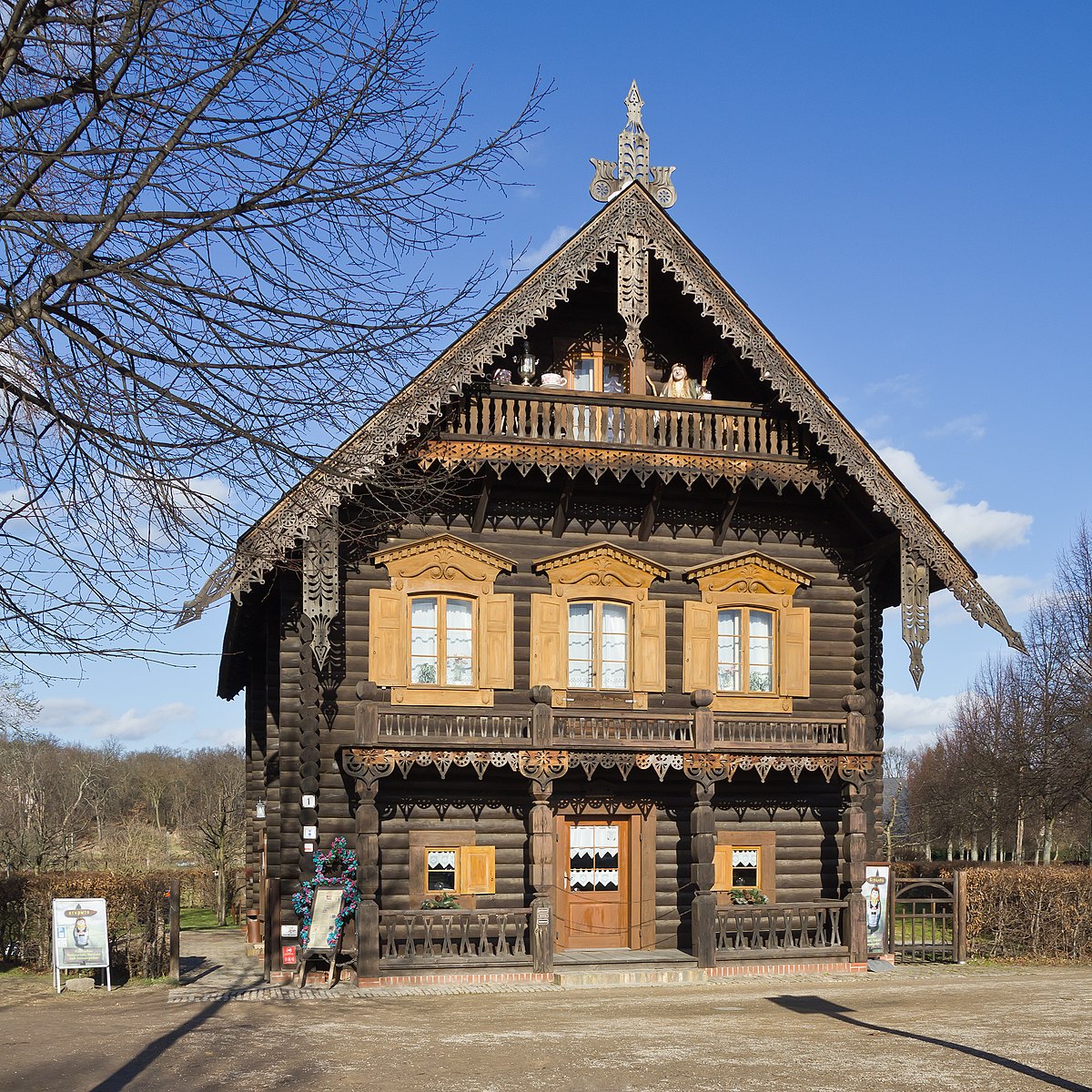
Located in the picturesque city of Potsdam, Germany, Alexandrowka is an intriguing architectural ensemble that reflects a unique blend of Russian and …

Alte Burg Penzlin
📍 Brandenburg, Germany
Alte Burg Penzlin, a captivating castle located in the quaint town of Penzlin, Germany, serves as a remarkable example of medieval architecture and …

Alte Dorfkirche Röxe
📍 Brandenburg, Germany
The Alte Dorfkirche Röxe stands as a poignant symbol of architectural and cultural history in the Stendal region of Germany. This church building, …
More Museums

Abbey and Altenmünster of Lorsch
📍 Baden-Württemberg, Germany
The Abbey and Altenmünster of Lorsch is a UNESCO World Heritage site located in the charming town of Lorsch, Germany. This significant cultural …
Abenteuermuseum
📍 Rhineland-Palatinate, Germany
The Abenteuermuseum, located in Germany, invites visitors to explore the wonders of adventure through its unique exhibits and engaging experiences. …

Abwasser- und Sielmuseum
📍 Hamburg, Germany
The Abwasser- und Sielmuseum, located in the heart of Hamburg-Mitte, offers a unique glimpse into the city’s historical infrastructure concerning …

Academy of Arts, Berlin
📍 Berlin, Germany
The Academy of Arts in Berlin is not just a museum; it is a prominent national institution dedicated to the advancement of the arts in Germany. …

Ackerbürgermuseum Haus Leck
📍 Hesse, Germany
Ackerbürgermuseum Haus Leck is a culturally significant museum located in Germany’s Grebenstein region, dedicated to preserving and showcasing the …

Active Museum Spiegelgasse
📍 Hesse, Germany
Active Museum Spiegelgasse is a vital institution dedicated to preserving and exploring the German-Jewish history of Wiesbaden, Germany. Located in …