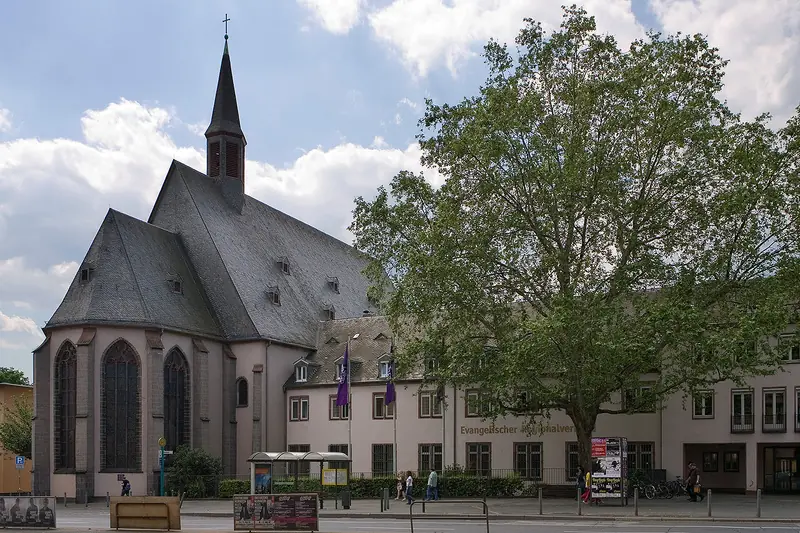
Overview
The Dominikanerkloster Frankfurt am Main, a former Christian monastery, is a significant cultural and historical landmark in Germany. Located in the bustling city of Frankfurt, this monastery provides visitors with a glimpse into the spiritual and architectural heritage that shaped the region. Its rich history as a center of religious life offers insights into the Dominican Order’s influence in the area and serves as a testament to the enduring legacy of monastic traditions in Europe. As you explore its hallowed halls, you will discover an environment steeped in devotion and artistic expression, making it an essential stop for anyone interested in religious history or architecture.
Frankfurt, known as a major financial hub, juxtaposes modernity with its historical sites, such as the Dominikanerkloster. This monastery not only contributes to the city’s ecclesiastical landscape but also reflects the broader narrative of Christianity’s evolution in Germany. Visitors can expect to engage with a site that resonates with both peaceful contemplation and rich cultural significance.
History and Significance
The Dominikanerkloster Frankfurt am Main has a storied past that reflects the growth and development of monastic life in the region. Established by the Dominican Order, which was founded in the early 13th century, this monastery served as a hub for religious education, community service, and spiritual guidance. The Dominicans were known for their commitment to preaching and scholarship, and this monastery played a vital role in advancing these missions.
Throughout its existence, the monastery has witnessed significant historical events and transformations. It became a center for theological study and was pivotal in promoting the Dominican ideals of learning and piety. The Dominikanerkloster also contributed to the cultural fabric of Frankfurt, influencing the artistic and intellectual movements of its time. As a gathering place for scholars and the devout, it fostered a sense of community and devotion that extended beyond its walls.
The cultural importance of the Dominikanerkloster is underscored by its architectural style and the artifacts it houses. The monastery has been part of the city’s identity for centuries, symbolizing the enduring nature of faith and community. Its historical legacy continues to attract visitors, scholars, and those interested in understanding the intersection of faith and culture in Germany.
Architecture and Features
The architecture of the Dominikanerkloster Frankfurt am Main reflects the distinctive features of monastic design, marked by simplicity and functionality. The structure embodies the principles of the Dominican Order, emphasizing a space conducive to meditation and community life. While specific architectural details may vary, the monastery typically showcases elements such as cloisters, chapels, and communal areas designed for prayer and reflection.
Notable features of the Dominikanerkloster include its serene courtyards, which often serve as peaceful retreats for visitors. The layout encourages exploration and contemplation, with pathways leading to various sections of the monastery. Visitors may also find remnants of historical art and religious iconography that speak to the site’s spiritual significance.
The atmosphere within the monastery is one of tranquility, inviting guests to pause and reflect on the enduring nature of faith. The architecture serves not only as a physical space but also as a representation of the Dominican values of humility, learning, and community service.
Visiting Information
Visiting the Dominikanerkloster Frankfurt am Main offers a unique opportunity to engage with a significant piece of religious heritage. The monastery is accessible by various forms of transport, making it easy for visitors to include it in their itinerary while exploring Frankfurt. Public transportation options such as buses and trains can take you close to the site, and from there, it’s a short walk to the monastery.
To make the most of your visit, check the official website for current information regarding hours of operation and any admission fees. The monastery can typically be explored in about one to two hours, allowing ample time to appreciate its serene environment and historical significance.
The best times to visit are during the weekdays when the site tends to be less crowded. Early mornings or late afternoons can offer a more peaceful experience, allowing for quiet reflection within its walls.
Nearby Attractions
Frankfurt Cathedral (Kaiserdom St. Bartholomew): A stunning Gothic structure that towers over the skyline, this cathedral is a short distance from the Dominikanerkloster and is known for its impressive architecture and historical significance.
Römer: This iconic medieval building serves as Frankfurt’s city hall and is located nearby. Its distinctive architecture and rich history make it a must-see for visitors.
Städel Museum: A renowned art museum featuring a diverse collection of European masterpieces, the Städel is just a short journey from the monastery and provides a cultural complement to your visit.
Palmengarten: One of the largest botanical gardens in Germany, the Palmengarten offers a lush escape and is perfect for a leisurely stroll after exploring the monastery.
Goethe House: The birthplace of the famous writer Johann Wolfgang von Goethe, this museum provides insight into his life and works, adding another layer of cultural exploration to your visit.
Insider Tips
For those keen on photography, the Dominikanerkloster offers numerous picturesque spots, particularly in the courtyards and near the chapel. Early morning or late afternoon light enhances the beauty of the architecture and provides a softer backdrop for your photos.
To avoid crowds, consider visiting during weekdays, as weekends can attract more visitors. If you are interested in quiet reflection, try to plan your visit outside of peak hours.
Practical Information
When planning your visit to the Dominikanerkloster, consider bringing a camera to capture the serene atmosphere and architectural details. Comfortable walking shoes are recommended, as you may spend significant time exploring the site and its surroundings.
Seasonal considerations can also enhance your experience; spring and early autumn typically offer pleasant weather for outdoor exploration. Be sure to check the official website for any seasonal events or special visiting hours that may enhance your visit.
Frequently Asked Questions
How long should I spend visiting?
A visit typically lasts between one to two hours, allowing time to explore the monastery and reflect.
Is photography allowed?
Photography is generally permitted, but it’s best to check for any specific restrictions upon arrival.
Are there guided tours?
Check the official website for availability and details on guided tours, which may provide deeper insights into the site’s history.
What’s the best time to visit?
Weekdays, especially early mornings or late afternoons, are ideal for a quieter experience.
Is it wheelchair accessible?
Check the official website for information on accessibility features within the monastery.
Can I buy tickets online?
Visit the official website for current ticketing options and availability.
Are there restrooms and cafes?
Facilities may be available; check the official website for details on amenities.
What should I wear?
Dress comfortably and respectfully, as this is a religious site. Consider weather conditions when planning your attire.