
Dokumentationszentrum Alltagskultur der DDR
Overview
The Dokumentationszentrum Alltagskultur der DDR, located in Eisenhüttenstadt, Germany, offers a unique glimpse into the everyday life of East Germany during the era of the German Democratic Republic (GDR). This museum serves as an important cultural institution, dedicated to preserving and interpreting the social and cultural history of the GDR. Visitors can expect an engaging exploration of the daily rituals, material culture, and the lived experiences of East German citizens. This museum is not just a repository for artifacts; it creates a narrative that contextualizes the GDR’s impact on its citizens and their everyday lives, making it a significant stop for anyone interested in modern German history.
Eisenhüttenstadt itself is a planned city, established in the 1950s, reflecting the socialist ideals that permeated the GDR. This backdrop enhances the museum’s offerings, providing insight into the ideological and practical aspects of life in a socialist state. As visitors explore its collections, they will discover how the policies of the GDR shaped domestic environments, leisure activities, and social interactions. This museum represents an essential opportunity to understand a distinct period in German history through the lens of daily life.
History and Significance
The Dokumentationszentrum Alltagskultur der DDR is a vital resource for examining the socio-political landscape of East Germany. Established to uncover the nuances of everyday life under socialism, the museum provides a critical perspective on a time marked by both ideology and reality. The GDR was not only defined by its political structures but also by the daily lives of its citizens, who navigated the complexities of state control and personal freedom.
The museum’s collection includes a diverse array of artifacts that represent various aspects of life in the GDR. From household items and fashion to toys and media, each piece tells a story about the values, struggles, and aspirations of East Germans. Through these objects, visitors can gain insight into how individuals adapted and responded to their socio-political environment, revealing the resilience and creativity of a society often overshadowed by political narratives.
Furthermore, the museum acts as a crucial platform for dialogue about the legacy of the GDR and its implications for contemporary German society. By fostering discussions around memory, identity, and historical interpretation, the Dokumentationszentrum Alltagskultur der DDR contributes to a broader understanding of Germany’s divided past and the ongoing process of reconciliation.
Architecture and Features
The museum is housed in a thoughtfully designed space that complements its mission to explore East German life. While specific architectural details are not available, the structure is designed to facilitate a comprehensive exhibition experience. The layout encourages visitors to engage with the artifacts in a meaningful way, often placing them in relatable contexts that evoke the atmosphere of the era.
Exhibits are organized thematically, allowing for a fluid exploration of various aspects of daily life in the GDR. Notable features may include interactive displays and curated installations that invite visitors to reflect on their own experiences and the broader implications of the artifacts. The museum’s design promotes accessibility and engagement, ensuring that visitors of all ages can appreciate the history presented.
Visiting Information
Getting to the Dokumentationszentrum Alltagskultur der DDR is relatively straightforward, with various transport options available. Visitors should check the official website for current information regarding operating hours and admission prices, which can vary throughout the year.
When planning a visit, it is advisable to allocate sufficient time—typically a few hours—to fully engage with the exhibits. The museum offers a variety of displays that can captivate visitors, making it a worthwhile part of a day spent in Eisenhüttenstadt.
The best times to visit are often mid-week or during off-peak hours, which may provide a more intimate experience with the displays. Additionally, seasonal considerations may influence the availability of specific exhibitions or activities, so checking ahead is wise.
Nearby Attractions
Stadtkirche St. Nikolai: This historic church, with its striking architecture, offers a glimpse into the religious and cultural life of Eisenhüttenstadt.
Eisenhüttenstadt City Park: A serene area perfect for a leisurely stroll, providing a contrast to the urban environment and a chance to relax amidst nature.
Museum of Local History Eisenhüttenstadt: This museum showcases the broader history of the region and complements the focus of the Dokumentationszentrum on everyday life.
Kulturhaus Eisenhüttenstadt: A cultural center that often hosts events, performances, and exhibitions, contributing to the vibrant local arts scene.
The Spree River: A picturesque spot for walking or biking along the river, offering a chance to enjoy the natural beauty of the area.
Insider Tips
For those looking to capture memorable moments at the museum, photography can enhance your experience. However, be sure to check the museum’s policy regarding photography, as certain areas may have restrictions. Visiting during weekday mornings can help avoid larger crowds, allowing for a more personal exploration of the exhibits and an opportunity for deeper reflection on the artifacts.
Practical Information
When planning your visit to the Dokumentationszentrum Alltagskultur der DDR, consider bringing a few essentials. Comfortable walking shoes are recommended, as visitors may spend considerable time on their feet. Additionally, a notebook or sketchbook can be useful for jotting down thoughts or sketches inspired by the exhibits.
Seasonal considerations can also play a role in your visit. Be prepared for varying weather conditions, especially if you plan to explore nearby attractions before or after your museum experience.
Frequently Asked Questions
How long should I spend visiting?
Most visitors find that spending a few hours allows ample time to explore the exhibits and fully appreciate the museum’s offerings.
Is photography allowed?
Photography policies may vary, so it’s advisable to check the official guidelines regarding photography within the museum.
Are there guided tours?
Check the official website for information about guided tours, as these can enhance your understanding of the exhibits and their contexts.
What’s the best time to visit?
Mid-week visits during off-peak hours are generally recommended for a quieter experience.
Is it wheelchair accessible?
The museum aims to be inclusive; it’s best to verify specific accessibility details on the official website.
Can I buy tickets online?
Current ticket purchasing options, including online availability, can be confirmed on the museum’s official website.
Are there restrooms and cafes?
Facilities such as restrooms and cafes are typically available; check the official site for specific details.
What should I wear?
Dress comfortably, especially if you plan to explore both the museum and surrounding areas, keeping in mind the season and weather conditions.
The Dokumentationszentrum Alltagskultur der DDR offers a profound opportunity to explore the nuances of life in East Germany, making it a compelling destination for history enthusiasts and casual visitors alike.
More in Brandenburg
Agnetenkloster
📍 Brandenburg, Germany
Agnetenkloster, a former monastery located in the heart of Magdeburg, Germany, invites visitors to explore its serene ambiance and historical …

Agroneum
📍 Brandenburg, Germany
Agroneum is a museum located in the serene landscape of Alt Schwerin, Germany. This establishment serves as a vibrant hub for those interested in the …

Alexander Nevsky Memorial Church
📍 Brandenburg, Germany
The Alexander Nevsky Memorial Church in Potsdam, Germany, offers visitors a unique glimpse into the city’s cultural and religious heritage. This …
Alexandrowka
📍 Brandenburg, Germany
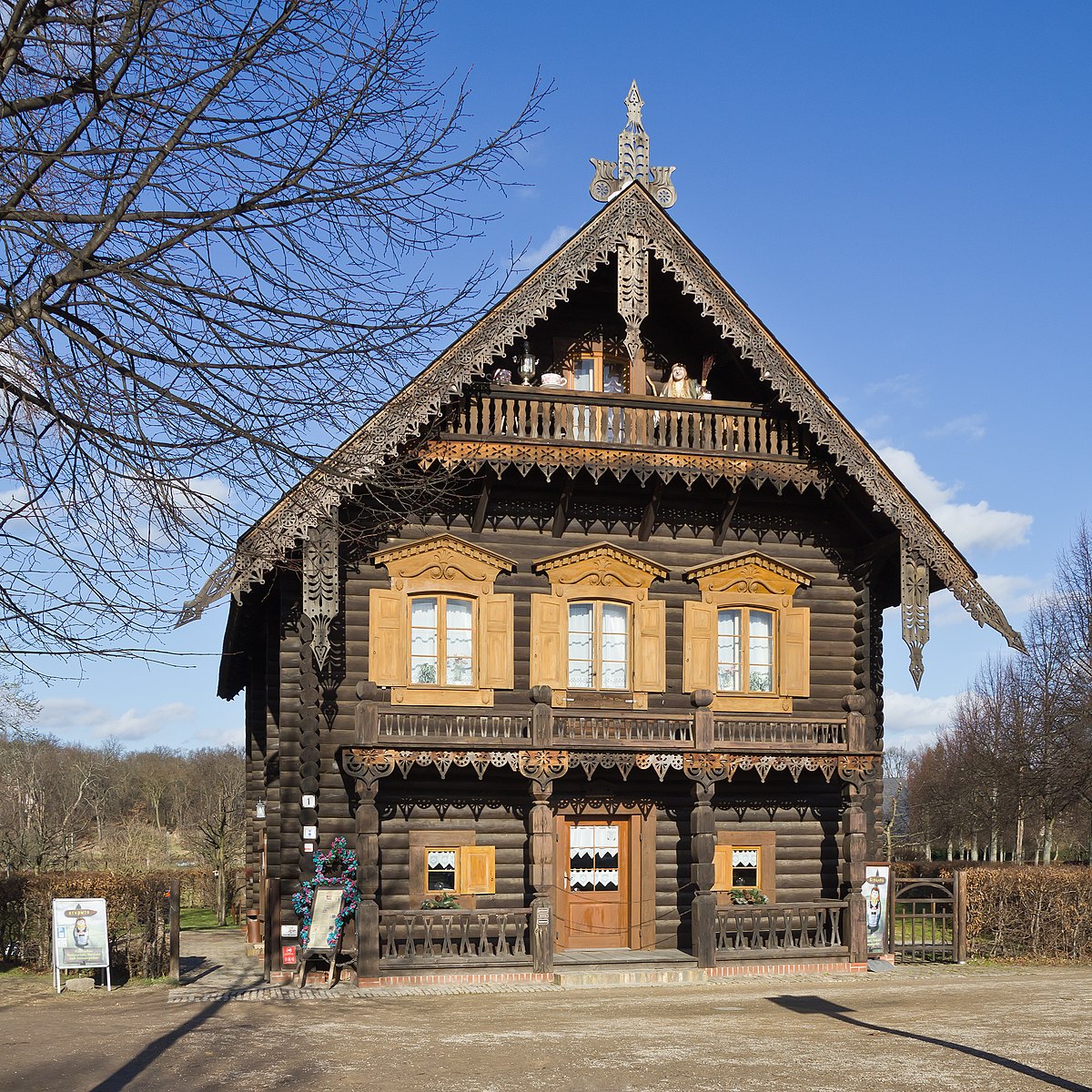
Located in the picturesque city of Potsdam, Germany, Alexandrowka is an intriguing architectural ensemble that reflects a unique blend of Russian and …

Alte Burg Penzlin
📍 Brandenburg, Germany
Alte Burg Penzlin, a captivating castle located in the quaint town of Penzlin, Germany, serves as a remarkable example of medieval architecture and …

Alte Dorfkirche Röxe
📍 Brandenburg, Germany
The Alte Dorfkirche Röxe stands as a poignant symbol of architectural and cultural history in the Stendal region of Germany. This church building, …
More Museums

Abbey and Altenmünster of Lorsch
📍 Baden-Württemberg, Germany
The Abbey and Altenmünster of Lorsch is a UNESCO World Heritage site located in the charming town of Lorsch, Germany. This significant cultural …
Abenteuermuseum
📍 Rhineland-Palatinate, Germany
The Abenteuermuseum, located in Germany, invites visitors to explore the wonders of adventure through its unique exhibits and engaging experiences. …

Abwasser- und Sielmuseum
📍 Hamburg, Germany
The Abwasser- und Sielmuseum, located in the heart of Hamburg-Mitte, offers a unique glimpse into the city’s historical infrastructure concerning …

Academy of Arts, Berlin
📍 Berlin, Germany
The Academy of Arts in Berlin is not just a museum; it is a prominent national institution dedicated to the advancement of the arts in Germany. …

Ackerbürgermuseum Haus Leck
📍 Hesse, Germany
Ackerbürgermuseum Haus Leck is a culturally significant museum located in Germany’s Grebenstein region, dedicated to preserving and showcasing the …

Active Museum Spiegelgasse
📍 Hesse, Germany
Active Museum Spiegelgasse is a vital institution dedicated to preserving and exploring the German-Jewish history of Wiesbaden, Germany. Located in …