
documenta-Halle
Overview
The documenta-Halle, located in the heart of Kassel, Germany, serves as a pivotal institution in the contemporary art scene, reflecting the city’s deep-rooted connection to modern artistic expression. As part of the larger documenta exhibition, which has garnered international acclaim since its inception, this art museum is dedicated to showcasing innovative and thought-provoking works that challenge conventional perspectives. The hall itself is an architectural landmark, designed to facilitate immersive experiences and interactions with art. With its central location, the documenta-Halle acts as a cultural hub, drawing both visitors and locals who are eager to engage with contemporary artistic practices.
Situated in the Mitte district, the museum benefits from its proximity to other cultural institutions, parks, and historical sites, making it an ideal stop for art enthusiasts and casual visitors alike. The documenta-Halle not only emphasizes the importance of art in society but also serves as a platform for dialogue, reflection, and community engagement. As such, it promises an enriching experience to all who enter its doors, inviting exploration and contemplation within its walls.
History and Significance
The documenta-Halle is closely linked to the documenta exhibition, which was first held in 1955. This exhibition was established by artist Arnold Bode, with the intention of showcasing contemporary art in the wake of World War II, aiming to reintroduce modern art to a society that had been largely cut off from artistic innovation during the Nazi regime. While specific details about the founding of the documenta-Halle are not provided, its role as a vital venue within this context cannot be overstated.
The building itself encapsulates the spirit of documenta, which seeks to reflect and respond to the prevailing sociopolitical climate. Over the years, the exhibition has evolved, featuring a diverse array of artistic practices, including painting, sculpture, installation, and performance art. The documenta-Halle has hosted works from renowned international artists and emerging talents alike, making it a significant site for both cultural preservation and innovation.
In addition to its role as a venue for the documenta exhibition, the hall contributes to Kassel’s reputation as a center for contemporary art. The city has become a focal point for artists, curators, and art lovers from around the world, fostering a vibrant community that celebrates creative expression. The documenta-Halle’s ongoing commitment to showcasing contemporary art ensures that it remains a key player in the global art discourse.
Architecture and Features
The documenta-Halle is characterized by its modern architecture, which complements the innovative spirit of the artworks it houses. The design prioritizes open spaces, allowing for flexible exhibition layouts that can accommodate a variety of artistic installations. The building’s clean lines and minimalist aesthetic create a harmonious environment that encourages visitors to engage deeply with the art on display.
Notable features of the documenta-Halle include its large exhibition halls, which are specifically designed to showcase large-scale installations and multimedia works. Natural light streams through expansive windows, illuminating the exhibits and creating a dynamic atmosphere that shifts throughout the day. This thoughtful design invites visitors to reflect on the pieces in relation to their surroundings, enhancing the overall viewing experience.
The museum also provides spaces for workshops, lectures, and special events, further emphasizing its role as a community-oriented institution. These features not only facilitate the appreciation of contemporary art but also foster educational opportunities and discussions among artists, curators, and the public.
Visiting Information
When planning a visit to the documenta-Halle, it’s essential to consider transportation options. Kassel is accessible by train, with various connections to major cities in Germany. The museum is conveniently located within walking distance of the Kassel-Wilhelmshöhe station, making it easy for visitors to reach the venue.
To ensure an enjoyable experience, it is advisable to check the official website for current information regarding opening hours and ticket prices. The duration of a visit can vary, depending on personal interests and the exhibitions on display. Typically, visitors may spend anywhere from one to three hours exploring the hall.
The best times to visit are during weekdays, when crowds tend to be smaller, allowing for a more intimate experience with the art. Special exhibitions may attract larger audiences, so planning ahead can enhance your visit.
Nearby Attractions
Kassel is home to several attractions that complement a visit to the documenta-Halle:
Wilhelmshöhe Park: Designated as a UNESCO World Heritage Site, this expansive park features stunning landscapes, classical architecture, and the impressive Hercules monument, providing a perfect backdrop for leisurely strolls.
Bergpark Wilhelmshöhe: Adjacent to the park, this site is known for its baroque gardens and water features, including cascading waterfalls and fountains, which are particularly striking during the summer months.
Fridericianum: Another key cultural institution, the Fridericianum is one of the oldest public museums in Europe and often hosts contemporary art exhibitions, further enriching Kassel’s art scene.
Documenta Archive: For those interested in the history of the documenta exhibition, the archive offers insights into past exhibitions and their impact on contemporary art.
Kassel’s City Center: A vibrant area filled with shops, cafes, and restaurants, the city center offers a chance to experience local culture and cuisine after a day of art exploration.
Insider Tips
To make the most of your visit to the documenta-Halle, consider timing your visit to avoid peak hours, which are typically during weekends and special exhibition openings. Arriving early in the day can provide a quieter atmosphere for contemplation.
Photography may be permitted in certain areas, but it’s advisable to check for any restrictions upon entry. If you plan to capture your experience, be respectful of the artworks and fellow visitors.
Practical Information
When visiting the documenta-Halle, it’s a good idea to bring a small bag for personal items, as larger bags may not be allowed in the exhibition spaces. Comfortable walking shoes are recommended, as you may spend a significant amount of time exploring the museum and nearby attractions.
Seasonal considerations include the possibility of varying exhibition schedules, so checking the official website before your visit can provide the most up-to-date information on what to expect. The museum may also host outdoor events or workshops during warmer months, enhancing the cultural experience.
Frequently Asked Questions
How long should I spend visiting?
The average visit lasts between one to three hours, depending on your interest in the exhibitions.
Is photography allowed?
Photography policies may vary. It’s best to check for any restrictions upon entering the museum.
Are there guided tours?
Guided tours may be available, but it’s advisable to check the official website for current offerings.
What’s the best time to visit?
Weekdays are generally less crowded than weekends, providing a more relaxed atmosphere.
Is it wheelchair accessible?
The documenta-Halle aims to be inclusive, but specific accessibility features should be confirmed on the official website.
Can I buy tickets online?
Online ticket purchasing options may be available. Check the official website for details.
Are there restrooms and cafes?
Facilities such as restrooms and cafes are typically available; verify specifics on the official website.
What should I wear?
Comfortable clothing and shoes are recommended, especially if you plan to explore surrounding attractions or participate in any events.
More in Hesse

Abri IX
📍 Hesse, Germany
Abri IX is an archaeological site located in Gleichen, Germany, that captures the essence of human history through its fascinating remnants. This site …

Ackerbürgermuseum Haus Leck
📍 Hesse, Germany
Ackerbürgermuseum Haus Leck is a culturally significant museum located in Germany’s Grebenstein region, dedicated to preserving and showcasing the …

Actien-Brauerei Homburg v. d. Höhe
📍 Hesse, Germany
Actien-Brauerei Homburg v. d. Höhe is a significant historical brewery located in Bad Homburg vor der Höhe, Germany. This former brewery is a …

Active Museum Spiegelgasse
📍 Hesse, Germany
Active Museum Spiegelgasse is a vital institution dedicated to preserving and exploring the German-Jewish history of Wiesbaden, Germany. Located in …

Adornodenkmal
📍 Hesse, Germany
Adornodenkmal, a prominent monument located in Frankfurt am Main, Germany, serves as a significant cultural landmark that encapsulates the spirit of …
Affentor
📍 Hesse, Germany
Affentor, the southernmost of the medieval city gates of Frankfurt am Main, serves as a historical marker of the city’s rich past and architectural …
More Art Museums

Aachen Cathedral Treasury
📍 North Rhine-Westphalia, Germany
Aachen Cathedral Treasury, located in the historic city of Aachen, Germany, is a remarkable art museum that houses an impressive collection of …

Abteiberg Museum
📍 North Rhine-Westphalia, Germany
In the heart of Mönchengladbach, Germany, the Abteiberg Museum stands out as a prominent destination for art enthusiasts and cultural explorers alike. …

Akademisches Kunstmuseum
📍 North Rhine-Westphalia, Germany
In the heart of Bonn, Germany, lies the Akademisches Kunstmuseum, an art museum that invites visitors to explore a diverse collection of artworks …

Albertinum
📍 Saxony, Germany
Albertinum is a prominent art museum located in the heart of Dresden, Germany, serving as a significant cultural institution in the region. …

Albrecht Dürer's House
📍 Bavaria, Germany
Albrecht Dürer’s House stands as a significant cultural landmark in Nuremberg, Germany, celebrating the life and work of one of the Renaissance’s most …
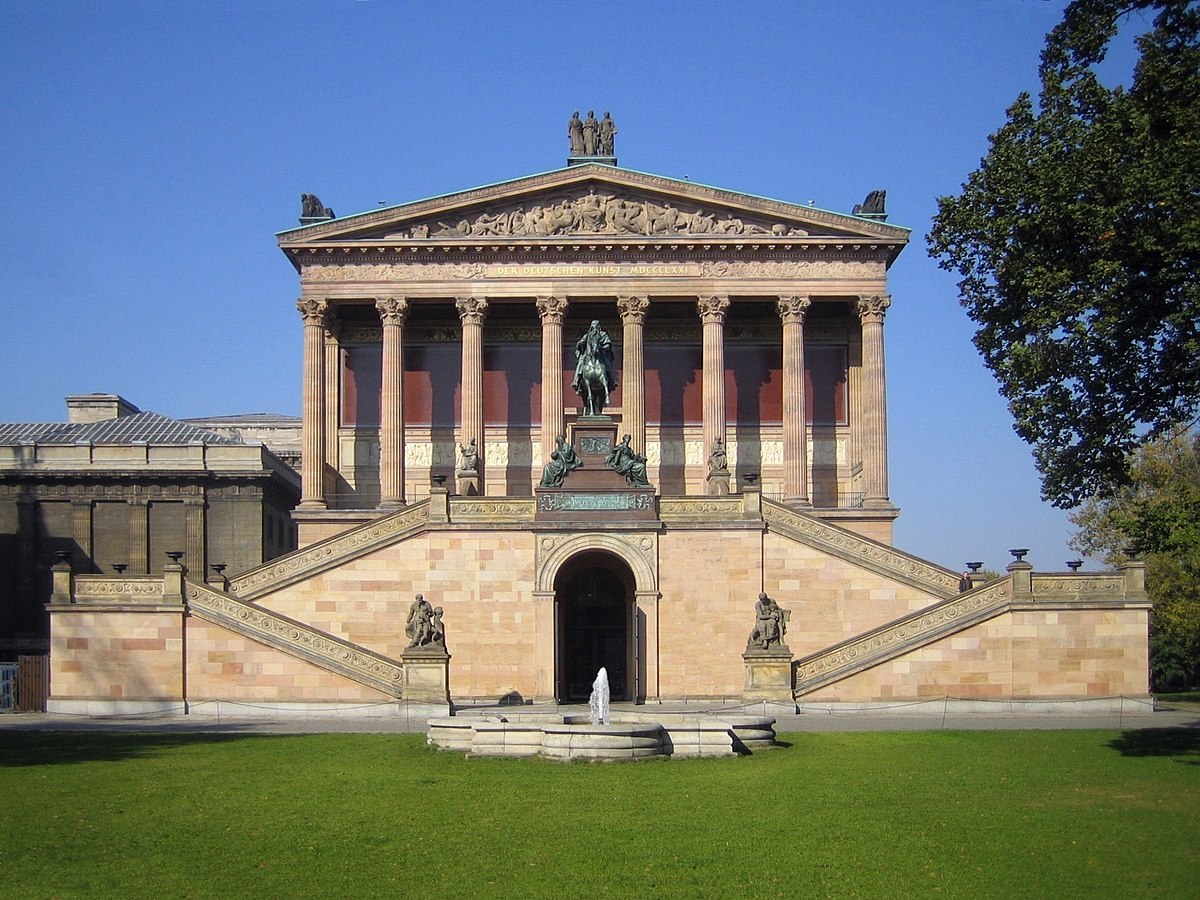
Alte Nationalgalerie
📍 Berlin, Germany
The Alte Nationalgalerie, an esteemed art museum located in Berlin’s Bezirk Mitte, is a cornerstone of cultural appreciation in Germany. This museum …