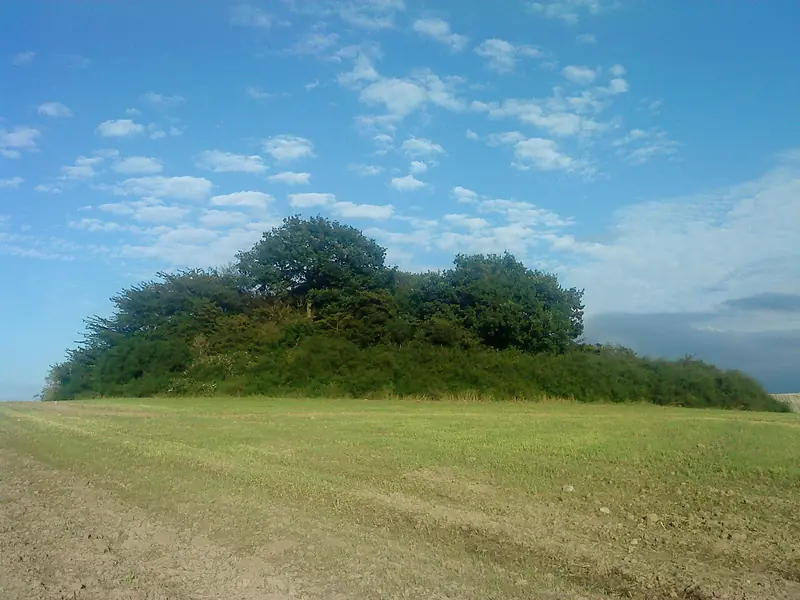
Overview
Imagine standing before ancient earthen mounds, where the whispers of a bygone era linger in the air. This is Dobberworth, an archaeological site in Germany, characterized by its prehistoric tumuli. These burial mounds, shaped by the hands of early societies, provide a fascinating glimpse into the lives, beliefs, and burial practices of those who came long before us.
Located at coordinates 54.519722222, 13.547222222, Dobberworth lies in a landscape that echoes its historical significance. The surrounding area offers a quiet backdrop, perfect for reflection on the profound human stories encapsulated within the earth. The site’s importance is underscored by its role in the study of prehistoric cultures, illuminating the social structures and rituals that shaped early communities.
Visitors to Dobberworth can expect to uncover the layers of history embedded in the mounds, explore the remnants of ancient practices, and gain insight into the cultural heritage of the region. Whether you are an archaeology enthusiast or a casual traveler, Dobberworth promises an engaging exploration of humanity’s past.
History and Significance
Dobberworth is a site that speaks to the depth of human history, particularly during prehistoric times. The tumuli here are representative of burial practices that have evolved over centuries. These earthworks were constructed as burial sites, reflecting the beliefs and customs of the societies that built them. The mounds serve as important markers, signifying not just individual graves but also the collective memories of communities.
Over the ages, the significance of Dobberworth has been recognized by historians and archaeologists alike. As excavations have taken place, artifacts and remnants found within the mounds have provided valuable insights into the socio-political structures of prehistoric societies. The study of these tumuli contributes to our understanding of how early humans interacted with their environment and with one another.
Culturally, Dobberworth serves as a vital link to the past, revealing patterns of life, death, and the afterlife beliefs of its ancient inhabitants. The site stands as a testament to the enduring nature of memory and the ways in which communities honor their dead. As you walk amongst the mounds, you can almost feel the weight of history pressing down, urging you to consider the lives that once thrived in this landscape.
Architecture and Features
At Dobberworth, the primary features are the tumuli themselves, which are large earthen mounds constructed over burial sites. These structures vary in size and shape, reflecting the customs of the cultures that created them. The architecture is simple yet profound, characterized by the use of earth and natural materials to create lasting monuments.
As you approach the site, you may notice the distinct contours of the mounds, which rise from the flat terrain. The arrangement of these tumuli can tell a story in itself, often indicating the social status of the individuals buried within. Visitors should take time to observe the varying heights and dimensions, which provide clues about the rituals and beliefs surrounding death and remembrance in prehistoric times.
While specific architectural styles are not detailed, the tumuli represent a form of early monumental architecture that emphasizes the connection between the living and the dead. The visual impact of these mounds against the surrounding landscape is striking, inviting contemplation on the passage of time and the legacies left behind. Each mound is a silent witness to history, standing tall in its simplicity.
Visiting Information
Getting to Dobberworth is relatively straightforward, with various transport options available for travelers exploring the region. Public transport may connect to nearby areas, while driving offers flexibility for visitors who wish to explore at their own pace. The surrounding landscape is conducive to leisurely walks, making it easy to immerse yourself in the historical context of the site.
Hours: Check the official website for current opening hours.
Prices: Visit the official website for current admission prices.
Upon arrival, expect a serene atmosphere that encourages reflection and exploration. The site is designed for visitors to navigate freely, allowing you to walk among the mounds and engage with the history surrounding you. A visit typically takes about 1-2 hours, giving you ample time to absorb the significance of the site.
The best times to visit are in the morning, when you can enjoy fewer crowds, and during the spring or fall, when the weather is mild and the landscape is particularly inviting. Accessibility details are subject to the site’s policies; contact the site directly for the latest information.
Nearby Attractions
While Dobberworth itself is a captivating destination, the surrounding area offers additional attractions that enrich your visit. Here are a few notable sites worth considering:
Historical Sites: Explore other nearby archaeological sites that shed light on prehistoric cultures in the region. Each site offers unique insights into ancient practices and lifestyles.
Cultural Museums: Discover local museums that feature exhibits on the history of the area, including artifacts and interpretations of the past. These institutions often provide context for the sites you visit.
Nature Walks: The landscape around Dobberworth is perfect for nature enthusiasts. Enjoy scenic walks that allow you to connect with the natural beauty of the area while contemplating the history of the mounds.
Local Markets: If you have time, visit nearby markets to experience local culture and perhaps find unique souvenirs that reflect the heritage of the region.
Visitor Centers: Stop by local visitor centers for brochures, maps, and information that can enhance your understanding of the area’s history and attractions.
Insider Tips
For the best photography opportunities at Dobberworth, aim for early morning or late afternoon when the sunlight casts long shadows across the mounds. This lighting enhances the textures of the earth and creates striking images.
Take a moment to look closely at the mounds; some may have subtle features that reveal their age or the techniques used in their construction. These details often go unnoticed but can deepen your appreciation for the site.
To avoid larger crowds, plan your visit during weekdays or outside peak tourist seasons. This allows for a more intimate experience as you explore the mounds.
Lastly, engage with local guides if available; they can offer lesser-known stories and insights that enrich your visit to Dobberworth.
Practical Information
When planning your visit to Dobberworth, consider bringing comfortable walking shoes, as the terrain can vary around the mounds. A water bottle is also advisable, especially during warmer months.
Seasonal changes can affect your experience; spring and fall generally offer pleasant weather, while winter may bring chilly conditions. Dress appropriately for the season to ensure a comfortable visit.
For those interested in a more in-depth experience, consider bringing a notebook to jot down your thoughts or any interesting observations you make during your exploration.
Frequently Asked Questions
How long should I spend visiting?
A visit to Dobberworth typically takes about 1-2 hours, allowing you to explore the mounds and absorb the historical context of the site.
Is photography allowed inside?
Yes, photography is generally allowed, but be respectful of the site and other visitors while capturing your memories.
Are there guided tours available?
Contact the site directly for information regarding guided tours and any scheduling.
What’s the best time of day to visit?
Early morning or late afternoon is ideal for visiting to avoid crowds and enjoy the best lighting for photographs.
Is the site wheelchair accessible?
Contact the site directly for the latest information on accessibility options.
Can I buy tickets online?
Visit the official website for current information on ticket purchasing options.
Are there facilities like restrooms and cafes?
Contact the site directly for information regarding visitor facilities, including restrooms and dining options.
What should I wear when visiting?
Dress in comfortable, weather-appropriate clothing and wear sturdy shoes suitable for walking on varied terrain.



