Overview
Dithmarscher Eidervorland mit Watt is a serene nature reserve located in the picturesque region of Schleswig-Holstein, Germany. This unique natural landscape is characterized by its wetlands, mudflats, and diverse ecosystems, making it an essential habitat for various species of flora and fauna. As a designated nature reserve, it plays a crucial role in the conservation of local wildlife while offering visitors the chance to explore its rich biodiversity.
The reserve’s geographical context is marked by its proximity to the North Sea, which significantly influences its ecological characteristics. This area is vital for the migratory patterns of numerous bird species, attracting ornithologists and nature enthusiasts alike. With its expansive views and tranquil surroundings, Dithmarscher Eidervorland mit Watt invites visitors to immerse themselves in the beauty of nature.
Visiting this reserve not only serves as an opportunity to appreciate the natural world but also to engage with the ongoing efforts aimed at preserving these important ecosystems. Whether you are a dedicated birdwatcher, a family looking for a day in nature, or a casual hiker, the allure of Dithmarscher Eidervorland mit Watt promises a refreshing escape into the heart of Schleswig-Holstein’s natural beauty.
History and Significance
The history of Dithmarscher Eidervorland mit Watt is intertwined with the broader narrative of conservation and ecological awareness in Germany. This region has long been recognized for its unique ecosystems, particularly the Wetlands and mudflats that form part of the North Sea coast. The natural reserve’s establishment is a reflection of the growing commitment to protect these vital habitats, which serve as both breeding grounds for wildlife and crucial filters for water quality.
The significance of the reserve extends beyond its ecological importance; it is also a cultural symbol of the region’s relationship with nature. For centuries, local communities have relied on the natural resources provided by the wetlands, and this area has been a source of inspiration for artists, poets, and conservationists alike. The interplay between human activity and the natural environment in this region highlights the importance of sustainable practices in preserving the balance of ecosystems.
As a nature reserve, Dithmarscher Eidervorland mit Watt is part of a larger network of conservation efforts aimed at safeguarding vulnerable habitats across Germany. Its role in providing a refuge for migratory birds and other wildlife underscores the necessity of such protected areas in the face of ongoing environmental challenges. The reserve not only serves as a sanctuary for species at risk but also as an educational platform for raising awareness about ecological sustainability and the importance of preserving our natural heritage.
Architecture and Features
Dithmarscher Eidervorland mit Watt is primarily a natural site, characterized by its diverse habitats rather than architectural structures. The reserve is distinguished by its expansive wetlands and mudflats, which are integral to both its ecological systems and the overall landscape. The area’s topography features a mix of salt marshes, tidal flats, and lagoons, creating a dynamic environment that changes with the tides.
One of the notable features of the reserve is its rich array of plant life, including various grasses, reeds, and salt-tolerant species that thrive in the unique saline conditions. These plants not only contribute to the biodiversity of the region but also play a significant role in stabilizing the soil and providing habitats for numerous animal species.
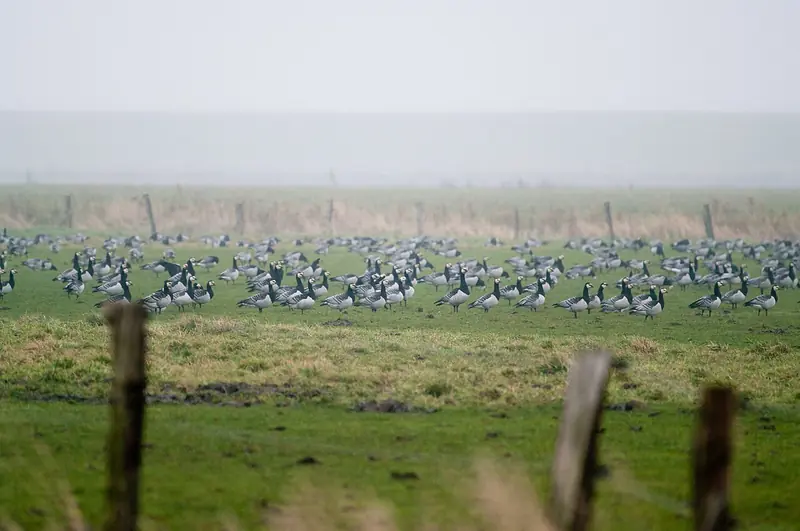
In addition to its flora, the reserve is home to many bird species, making it a prime location for birdwatching. The mudflats serve as feeding grounds for migratory birds, and the wetlands provide nesting sites for various waterfowl. Visitors can often observe species such as ducks, geese, and shorebirds, particularly during migration seasons.
The area is also characterized by its natural beauty, with sweeping views of the horizon and the ever-changing landscape shaped by the tides. This visual appeal enhances the overall visitor experience, inviting individuals to engage with the environment in a meaningful way.
Visiting Information
When planning a visit to Dithmarscher Eidervorland mit Watt, it’s essential to consider transportation options. The reserve is accessible by car, with parking facilities available nearby. For those relying on public transportation, local bus services connect to surrounding towns, making it feasible to reach the reserve without a vehicle.
Check the official website for current information regarding hours and prices, as these may vary seasonally. Generally, visitors can expect to spend a few hours exploring the reserve, with opportunities for walking, birdwatching, and enjoying the natural surroundings.
The best times to visit are during the spring and autumn months when migratory birds are most active. These seasons offer prime opportunities for birdwatching, with numerous species passing through the area. However, the reserve is open year-round, allowing for different experiences depending on the season.
Expect to encounter a variety of trails that wind through the reserve, providing access to different habitats and viewpoints. The landscape is relatively flat, making it suitable for visitors of all ages and fitness levels. Whether you choose to take a leisurely stroll or engage in more focused wildlife observation, the reserve offers an enriching experience amidst nature.
Nearby Attractions
Eiderstedt Peninsula: Just a short drive from the reserve, this peninsula features charming villages, picturesque landscapes, and opportunities for coastal activities, including cycling and walking along the dikes.
St. Peter-Ording: Known for its expansive sandy beaches and iconic wooden piers, this seaside resort town offers a range of recreational activities, from kite surfing to horseback riding on the beach.
Nordfriesisches Museum: Located in the nearby town of Niebüll, this museum showcases the cultural heritage of the North Frisian region, including exhibits on local history, art, and traditions.
Waddensea National Park: Recognized as a UNESCO World Heritage site, this national park stretches along the North Sea coast and offers incredible opportunities for birdwatching, mudflat hiking, and experiencing the unique tidal ecosystem.
Friedrichstadt: This quaint town is known for its canals and Dutch-style architecture. It’s a great place to explore local shops, cafes, and the waterways that define its charm.
Insider Tips
For photography enthusiasts, the best light for capturing the beauty of Dithmarscher Eidervorland mit Watt tends to be early morning or late afternoon when the sun casts a warm glow over the wetlands. Bring a good zoom lens to capture the distant wildlife without disturbing their natural behavior.
To avoid crowds, consider visiting on weekdays or during the early hours. The serenity of the reserve is most palpable when the pathways are less populated, allowing for a more immersive experience with nature.
Practical Information
When visiting Dithmarscher Eidervorland mit Watt, it’s advisable to bring essentials such as water, snacks, and appropriate clothing for changing weather conditions. Sturdy footwear is recommended, especially if you plan to walk along the trails or venture into marshy areas.
Seasonal considerations are essential, particularly during the migration periods in spring and autumn when the reserve attracts numerous visitors. Summer offers lush greenery and vibrant wildlife, while winter brings a quiet stillness that can also be enchanting.
Be prepared for varying weather; layers are recommended to adapt to temperature changes throughout the day. Additionally, sunscreen and insect repellent may be beneficial during warmer months.
Frequently Asked Questions
How long should I spend visiting?
A visit typically lasts 2-4 hours, allowing ample time to explore the trails and observe wildlife.
Is photography allowed?
Yes, photography is permitted. Just be mindful of wildlife and maintain a respectful distance.
Are there guided tours?
Check the official website for information on guided tours, as offerings may vary.
What’s the best time to visit?
Spring and autumn are ideal for birdwatching, while summer provides lush landscapes.
Is it wheelchair accessible?
Some areas may be accessible, but check specific trails and paths beforehand for suitability.
Can I buy tickets online?
Check the official website for current information on ticket purchasing options.
Are there restrooms and cafes?
Facilities may be limited, so plan accordingly. Check the official website for specifics.
What should I wear?
Wear comfortable clothing suitable for outdoor activities and sturdy shoes. Consider layers for changing weather conditions.



