
Dieselkraftwerk Cottbus
Overview
The Dieselkraftwerk Cottbus, an intriguing art museum located in the heart of Cottbus, Germany, serves as a platform for contemporary artists while providing visitors with a unique cultural experience. The museum is housed in a former diesel power station, a structure that reflects the industrial heritage of the region. This transformation from an industrial site to a space dedicated to art not only highlights the evolving nature of urban landscapes but also underscores the importance of reimagining historical spaces for modern cultural expressions. The museum’s focus on contemporary art makes it a significant destination for art enthusiasts and casual visitors alike, offering a diverse range of exhibitions that challenge perceptions and provoke thought.
Situated in the vibrant city of Cottbus, this art museum stands out as an essential part of the cultural fabric of the area. It draws in not just locals but also tourists who are eager to explore the intersection of art and industry. The museum’s exhibitions often feature both established and emerging artists, allowing for a dynamic representation of the contemporary art scene. This blend of history and modernity makes the Dieselkraftwerk Cottbus a compelling destination for anyone interested in exploring the evolving narrative of art within historical contexts.
History and Significance
The Dieselkraftwerk Cottbus has an intriguing backstory that reflects the industrial past of the area. Originally constructed as a diesel power station, its purpose was to provide energy during a time when such resources were crucial for the development of the region. As industries evolved and the demand for traditional energy sources shifted, the power station ceased operations, leaving behind a structure that held much potential for repurposing.
The transition to an art museum marks a significant cultural shift, as it repurposes a space that was once dedicated to industry into a haven for artistic expression. This change is emblematic of broader trends in many cities around the world, where old industrial sites are being transformed into cultural landmarks. The museum’s establishment is not just an act of preservation; it is an affirmation of the importance of art in contemporary society and the need to create spaces where creativity can flourish.
In addition to its role as an art museum, Dieselkraftwerk Cottbus serves as a cultural hub that hosts various events, workshops, and exhibitions throughout the year. This commitment to fostering community engagement with art enhances its significance beyond mere aesthetics. The museum has become a platform for dialogue, allowing artists to connect with the public and for the public to engage with contemporary issues through the lens of art. By embracing both its industrial legacy and its new role as a museum, the Dieselkraftwerk Cottbus illustrates the potential for creativity to thrive in unexpected places.
Architecture and Features
The architectural design of the Dieselkraftwerk Cottbus is a fascinating blend of industrial elements and contemporary art space. The building retains many of its original features, which evoke a sense of history and authenticity. The robust exterior, characterized by its sturdy brick walls and prominent chimney, stands as a reminder of its past as a power station. This industrial aesthetic provides a unique backdrop for the artwork displayed within, creating a juxtaposition between the rawness of the space and the creativity of the exhibitions.
Inside, the museum has been thoughtfully designed to accommodate a variety of art forms. The expansive galleries allow for large-scale installations, while smaller, more intimate spaces are perfect for showcasing detailed works. The layout encourages visitors to explore and engage with the art in a fluid manner, facilitating a deeper appreciation of the pieces on display.
Notable features of the museum include its high ceilings, which contribute to an open and airy atmosphere, enhancing the viewing experience. The use of natural light through strategically placed windows creates a dynamic interplay of shadows and illumination, further enriching the art presented within. The museum’s commitment to maintaining the integrity of the original structure while providing modern amenities ensures that it serves both as a functional art space and a historical monument.
Visiting Information
For those planning a visit to the Dieselkraftwerk Cottbus, it is advisable to check the official website for the most current information regarding opening hours and ticket prices. The museum is accessible via various modes of transport, making it convenient for visitors to reach. Public transportation options such as buses and trams are available, and there may be parking facilities nearby for those who prefer to drive.
Expect to spend a few hours exploring the museum, as the diversity of exhibitions can captivate visitors and encourage them to take their time. The space is designed to facilitate a leisurely visit, allowing for moments of reflection and engagement with the artwork. The best times to visit may vary, but weekdays tend to be less crowded than weekends, which can enhance the experience of interacting with the art.
To fully enjoy your visit, consider participating in any special events or workshops that may be occurring during your trip. These activities often provide unique insights into the art and artists featured in the museum, enriching your overall experience.
Nearby Attractions
While the Dieselkraftwerk Cottbus is a compelling destination on its own, the surrounding area offers additional attractions that can enhance your visit. A few notable places to consider include:
Cottbus State Theatre - Known for its diverse programming, including opera and drama performances, this venue is a cultural landmark in Cottbus and offers a vibrant arts scene.
Spreeauen Park - This expansive park provides a serene environment for a leisurely stroll or a picnic, making it a perfect complement to a day spent at the museum.
Cottbus Zoo - A family-friendly destination, the zoo features a variety of animal exhibits and is a great way to spend time outdoors with children.
St. Nikolai Church - An architectural highlight, this historic church showcases beautiful stained glass and offers insight into the religious heritage of the area.
Branitz Park - Designed by Prince Hermann von Pückler-Muskau, this landscaped park is renowned for its exquisite gardens and scenic beauty, ideal for nature lovers.
Insider Tips
To make the most of your visit to Dieselkraftwerk Cottbus, consider these insider tips:
Photography: Check the museum’s policy on photography, as some exhibitions may have restrictions. If allowed, be mindful of the artworks and other visitors while capturing your moments.
Crowd Avoidance: To experience the museum with fewer crowds, aim to visit during weekdays or during off-peak hours, typically early in the morning or late in the afternoon.
Engagement: Take the time to read the provided information about each exhibit, as understanding the context can greatly enhance your appreciation of the artworks.
Practical Information
Before heading to Dieselkraftwerk Cottbus, consider these practical aspects to ensure a smooth visit:
What to Bring: Comfortable walking shoes are recommended, as you may spend a significant amount of time exploring the museum. If you plan to visit nearby attractions, consider bringing a light snack and water.
Seasonal Considerations: The museum is open year-round, but seasonal events may offer unique experiences, so check the schedule before your visit. Be mindful of weather conditions if you plan to explore outdoor attractions afterward.
Accessibility: While the museum aims to be welcoming to all visitors, checking accessibility options on the official website can ensure a comfortable experience for everyone.
Frequently Asked Questions
How long should I spend visiting?
A visit typically requires a few hours, allowing ample time to explore the exhibitions and engage with the art.
Is photography allowed?
Policies on photography may vary by exhibition, so it’s best to check the museum’s guidelines upon arrival.
Are there guided tours?
Check the official website for information on guided tours, as these can provide valuable insights into the exhibitions and artists.
What’s the best time to visit?
Weekdays are generally less crowded, offering a more serene experience. Early mornings or late afternoons can also be ideal.
Is it wheelchair accessible?
For detailed information about accessibility, including wheelchair access, visit the official website.
Can I buy tickets online?
Check the official website for options regarding online ticket purchases to streamline your visit.
Are there restrooms and cafes?
Facilities such as restrooms are available on-site. For dining options, explore nearby cafes or check the museum’s website for any on-site dining services.
What should I wear?
Dress comfortably for walking, as you will be exploring both the museum and potentially outdoor attractions nearby.
Visiting the Dieselkraftwerk Cottbus offers an enriching experience that intertwines art with the historical essence of the region. With its unique background and ongoing commitment to contemporary art, this museum is a must-see for anyone interested in the cultural landscape of Cottbus.
Visit Information
Quick Facts
- Heritage Type
- Art Museum
- Region
- Brandenburg
- Wikidata ID
- Q120966705
More in Brandenburg
Agnetenkloster
📍 Brandenburg, Germany
Agnetenkloster, a former monastery located in the heart of Magdeburg, Germany, invites visitors to explore its serene ambiance and historical …

Agroneum
📍 Brandenburg, Germany
Agroneum is a museum located in the serene landscape of Alt Schwerin, Germany. This establishment serves as a vibrant hub for those interested in the …

Alexander Nevsky Memorial Church
📍 Brandenburg, Germany
The Alexander Nevsky Memorial Church in Potsdam, Germany, offers visitors a unique glimpse into the city’s cultural and religious heritage. This …
Alexandrowka
📍 Brandenburg, Germany
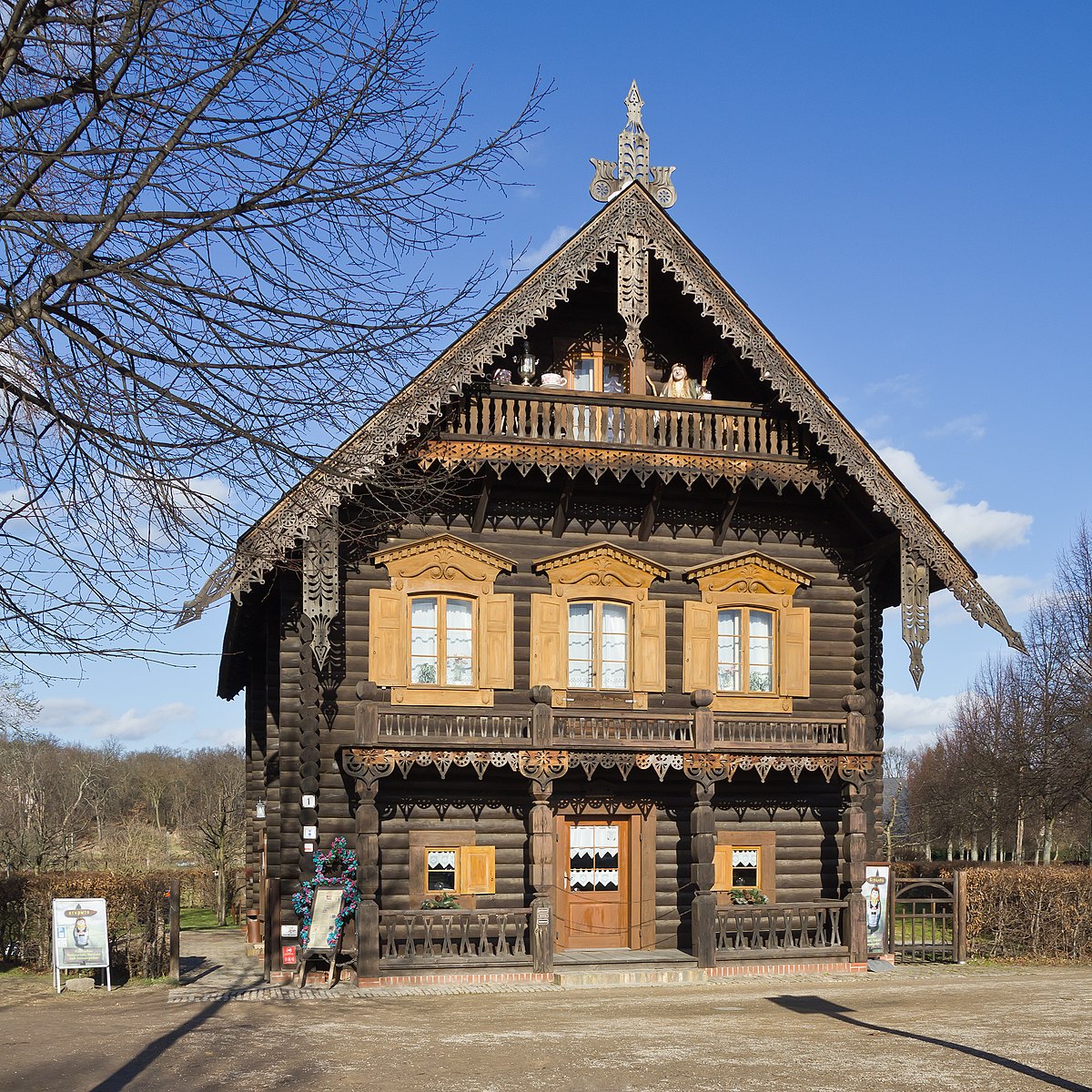
Located in the picturesque city of Potsdam, Germany, Alexandrowka is an intriguing architectural ensemble that reflects a unique blend of Russian and …

Alte Burg Penzlin
📍 Brandenburg, Germany
Alte Burg Penzlin, a captivating castle located in the quaint town of Penzlin, Germany, serves as a remarkable example of medieval architecture and …

Alte Dorfkirche Röxe
📍 Brandenburg, Germany
The Alte Dorfkirche Röxe stands as a poignant symbol of architectural and cultural history in the Stendal region of Germany. This church building, …
More Art Museums

Aachen Cathedral Treasury
📍 North Rhine-Westphalia, Germany
Aachen Cathedral Treasury, located in the historic city of Aachen, Germany, is a remarkable art museum that houses an impressive collection of …

Abteiberg Museum
📍 North Rhine-Westphalia, Germany
In the heart of Mönchengladbach, Germany, the Abteiberg Museum stands out as a prominent destination for art enthusiasts and cultural explorers alike. …

Akademisches Kunstmuseum
📍 North Rhine-Westphalia, Germany
In the heart of Bonn, Germany, lies the Akademisches Kunstmuseum, an art museum that invites visitors to explore a diverse collection of artworks …

Albertinum
📍 Saxony, Germany
Albertinum is a prominent art museum located in the heart of Dresden, Germany, serving as a significant cultural institution in the region. …

Albrecht Dürer's House
📍 Bavaria, Germany
Albrecht Dürer’s House stands as a significant cultural landmark in Nuremberg, Germany, celebrating the life and work of one of the Renaissance’s most …
Alte Nationalgalerie
📍 Berlin, Germany
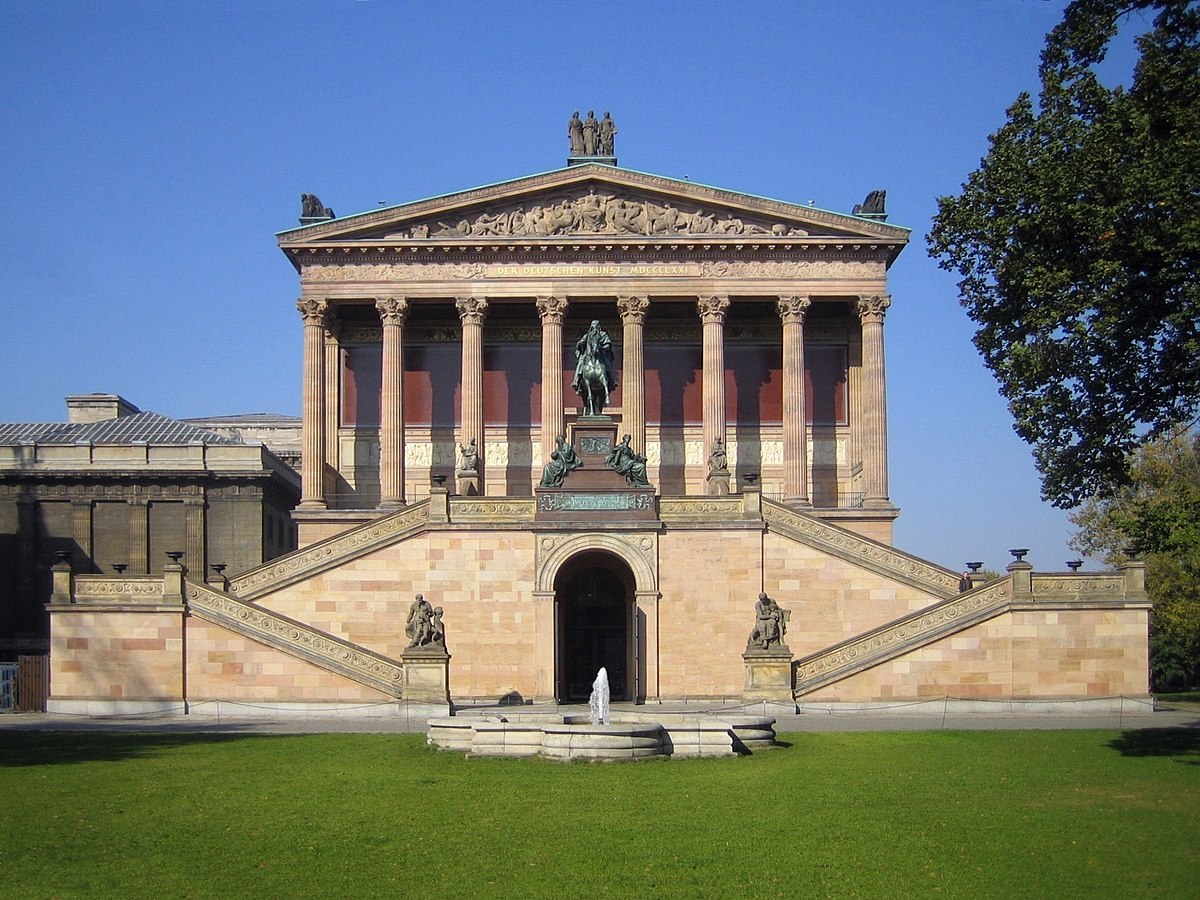
The Alte Nationalgalerie, an esteemed art museum located in Berlin’s Bezirk Mitte, is a cornerstone of cultural appreciation in Germany. This museum …