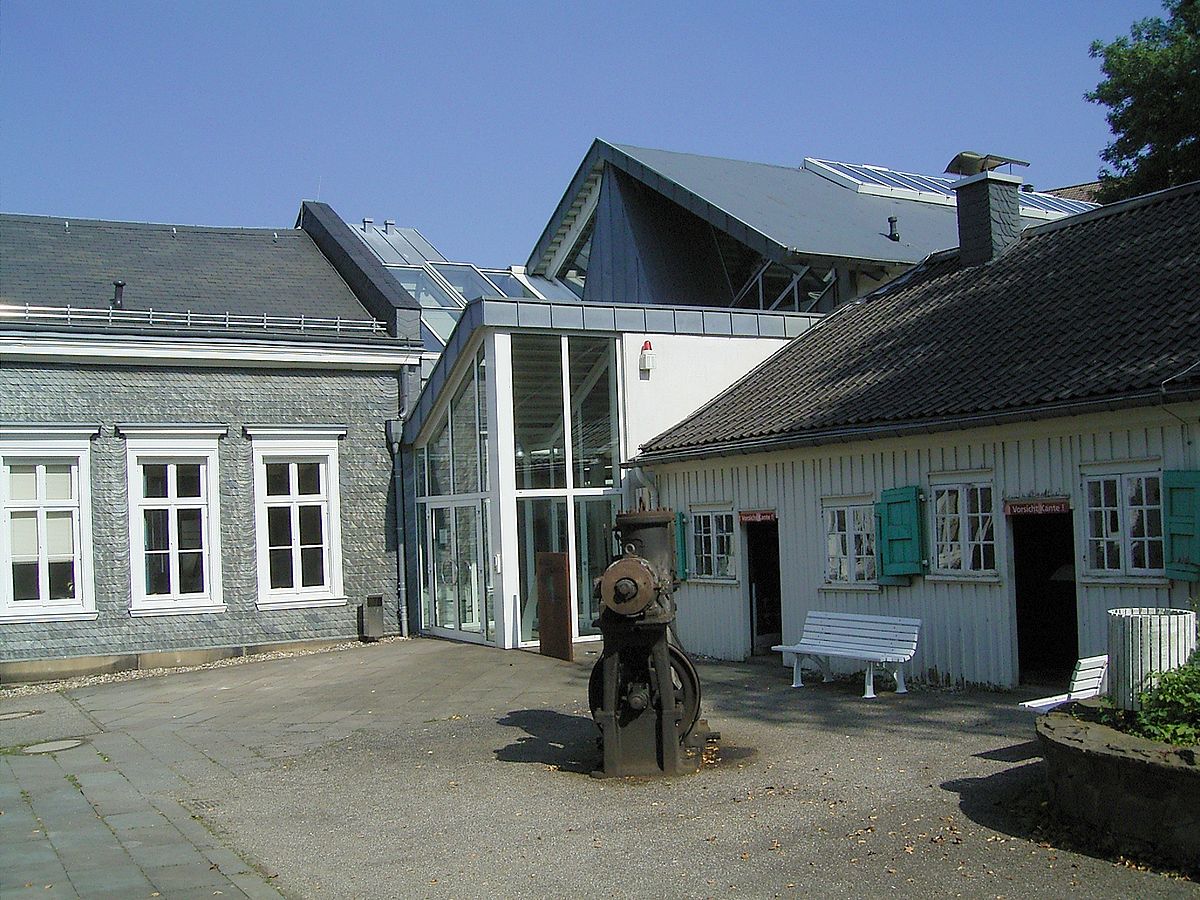
Deutsches Werkzeugmuseum
Overview
The Deutsches Werkzeugmuseum, located in Remscheid, Germany, offers a unique exploration of the tools that have shaped both industry and craftsmanship throughout history. As you step into this museum, you are greeted by a comprehensive collection that highlights the evolution of tools, showcasing their pivotal role in various trades and technologies. Remscheid, known as the “City of Tools,” serves as an appropriate backdrop for this institution, making it a significant cultural hub for both locals and visitors alike.
The museum is more than just a repository of tools; it serves as an educational platform, illustrating the craftsmanship and ingenuity inherent in the development of tools across different eras. Whether you’re a history enthusiast, a craftsman, or simply curious about the evolution of technologies, the Deutsches Werkzeugmuseum promises an enriching experience that connects the past with the present.
History and Significance
The Deutsches Werkzeugmuseum occupies a vital place in the preservation of Germany’s industrial heritage. Established to document the historical development of tools, the museum serves as a testament to the craftsmanship that has characterized various trades over the centuries. It highlights the importance of tools not just as instruments for labor, but as symbols of innovation and progress.
The museum focuses on the tool-making industry that flourished in Remscheid, a city renowned for its production of high-quality tools. Renowned for its skilled artisans and advanced manufacturing techniques, Remscheid has long been a center for tool production, influencing both domestic and international markets. The museum reflects this legacy, providing insight into the craftsmanship and techniques that have evolved over time.
Visitors can expect to learn about the historical context of various tools, from those used in early agriculture to the sophisticated instruments employed in modern manufacturing. The exhibits encompass a broad timeline, illustrating how tools have been adapted and improved to meet the changing needs of society. The educational programs offered by the museum further enhance its significance, providing workshops and demonstrations that engage visitors of all ages.
Overall, the Deutsches Werkzeugmuseum stands as an important cultural institution, fostering appreciation for the artistry involved in tool-making and its impact on industrial development.
Architecture and Features
The architecture of the Deutsches Werkzeugmuseum complements its purpose, reflecting a blend of functionality and design. The museum is designed to facilitate an engaging experience, with well-organized displays that guide visitors through its extensive collections. The building itself is modern yet respectful of the industrial heritage that it represents.
Inside, visitors will find an impressive array of tools displayed in thematic sections, showcasing different trades and historical periods. Each exhibit is carefully curated, with informative panels that provide context and background information. Special attention is given to the craftsmanship involved in tool-making, with many pieces on display illustrating the intricate details and techniques used by artisans throughout history.
Notable features of the museum include interactive displays that allow visitors to engage with the tools and learn about their uses. Additionally, workshops and demonstrations are often held, providing a hands-on experience that enhances understanding of the topics being presented. The museum’s commitment to education and engagement is evident throughout its design and programming.
Visiting Information
To make the most of your visit to the Deutsches Werkzeugmuseum, planning ahead is essential. The museum is accessible via various forms of transportation, making it convenient for visitors traveling from nearby cities or within Remscheid itself. Check the official website for current information regarding hours and ticket prices.
When preparing for your visit, consider allocating several hours to explore the extensive collections and engage with the interactive exhibits. The museum often hosts events and workshops, so checking the schedule in advance can enhance your experience. The best times to visit tend to be during weekdays when the crowds are lighter, allowing for a more personalized exploration.
Expect to find a welcoming environment where knowledgeable staff are eager to assist and share insights. The museum’s layout is designed to facilitate easy navigation, ensuring that you won’t miss any of the fascinating exhibits.
Nearby Attractions
While visiting the Deutsches Werkzeugmuseum, consider exploring these nearby attractions:
- Remscheid City Center: A vibrant area with shops, cafes, and restaurants, perfect for a leisurely stroll or a meal after your museum visit.
- Bergisches Land: Known for its picturesque landscapes and hiking trails, this region offers opportunities for outdoor enthusiasts to explore nature.
- Schloss Burg: A historic castle located a short drive away, providing a glimpse into medieval architecture and history.
- Müngstener Brücke: This stunning railway bridge is one of the tallest in Germany and offers breathtaking views of the surrounding landscape.
- German Tool Museum: Another location dedicated to the craftsmanship of tools, providing further context to the industry and its significance in the region.
Insider Tips
To enhance your museum experience, consider the following insider tips:
- Photography: While many areas may allow photography, always check for signs indicating restrictions. Capturing the intricate details of tools can be quite rewarding.
- Timing Your Visit: Aim to visit during early morning or late afternoon to avoid peak crowds. This will provide a more relaxed atmosphere for exploration.
- Interactive Workshops: If available, participate in any hands-on workshops. These can offer invaluable insights into the craft and are often among the highlights of a visit.
Practical Information
When visiting the Deutsches Werkzeugmuseum, it’s advisable to bring a few essentials:
- Comfortable Shoes: Expect to do a fair amount of walking as you explore the various exhibits.
- Water Bottle: Staying hydrated is essential, especially if you plan to spend several hours at the museum.
- Seasonal Considerations: Depending on the time of year, dress appropriately for the weather, as some parts of the museum may have varying temperatures.
Check the official website for any specific recommendations or seasonal events that may enhance your visit.
Frequently Asked Questions
How long should I spend visiting?
A visit typically takes around 2-4 hours, depending on your interest level and participation in workshops or demonstrations.
Is photography allowed?
Photography policies may vary, so be sure to check for any signage or ask museum staff for clarification.
Are there guided tours?
Guided tours may be available, providing a deeper understanding of the exhibits and their significance. Check the official website for scheduling and availability.
What’s the best time to visit?
Weekdays generally see fewer visitors, making them an ideal choice for a more intimate experience.
Is it wheelchair accessible?
Accessibility options should be confirmed by checking the official website or contacting the museum in advance.
Can I buy tickets online?
Purchasing tickets online may be an option, so check the official website for details on ticket availability and pricing.
Are there restrooms and cafes?
Facilities typically include restrooms, and there may be a café or designated area for refreshments. Verify this information on the official website.
What should I wear?
Dress comfortably, keeping in mind that you may be walking and standing for extended periods. Seasonal attire is advisable based on the time of year.
The Deutsches Werkzeugmuseum offers a distinctive experience that celebrates the craftsmanship and innovation of tools, making it an essential stop for anyone interested in industrial history and heritage.
More in North Rhine-Westphalia

Aachen Cathedral
📍 North Rhine-Westphalia, Germany
Aachen Cathedral, a magnificent Roman-Catholic structure located in the historic city of Aachen, Germany, is a masterpiece of architectural design and …

Aachen Cathedral Treasury
📍 North Rhine-Westphalia, Germany
Aachen Cathedral Treasury, located in the historic city of Aachen, Germany, is a remarkable art museum that houses an impressive collection of …

Aachen Chapel of Hungary
📍 North Rhine-Westphalia, Germany
The Aachen Chapel of Hungary, a significant part of the Aachen Cathedral complex in Germany, serves as an emblem of the cultural exchange between …

Aachen-Rothe Erde station
📍 North Rhine-Westphalia, Germany
Aachen-Rothe Erde station serves as a crucial node in the intricate web of Germany’s railway network, located in the vibrant city of Aachen. This …

Aachener Tierpark Euregiozoo
📍 North Rhine-Westphalia, Germany
The Aachener Tierpark Euregiozoo, located in the heart of Aachen-Mitte, Germany, is a captivating destination for animal lovers and families alike. …

Abtei Mariendonk
📍 North Rhine-Westphalia, Germany
Abtei Mariendonk, a serene monastery located in the tranquil region of Grefrath, Germany, invites visitors to explore its spiritual and architectural …
More Museums

Abbey and Altenmünster of Lorsch
📍 Baden-Württemberg, Germany
The Abbey and Altenmünster of Lorsch is a UNESCO World Heritage site located in the charming town of Lorsch, Germany. This significant cultural …
Abenteuermuseum
📍 Rhineland-Palatinate, Germany
The Abenteuermuseum, located in Germany, invites visitors to explore the wonders of adventure through its unique exhibits and engaging experiences. …

Abwasser- und Sielmuseum
📍 Hamburg, Germany
The Abwasser- und Sielmuseum, located in the heart of Hamburg-Mitte, offers a unique glimpse into the city’s historical infrastructure concerning …

Academy of Arts, Berlin
📍 Berlin, Germany
The Academy of Arts in Berlin is not just a museum; it is a prominent national institution dedicated to the advancement of the arts in Germany. …

Ackerbürgermuseum Haus Leck
📍 Hesse, Germany
Ackerbürgermuseum Haus Leck is a culturally significant museum located in Germany’s Grebenstein region, dedicated to preserving and showcasing the …

Active Museum Spiegelgasse
📍 Hesse, Germany
Active Museum Spiegelgasse is a vital institution dedicated to preserving and exploring the German-Jewish history of Wiesbaden, Germany. Located in …