Overview
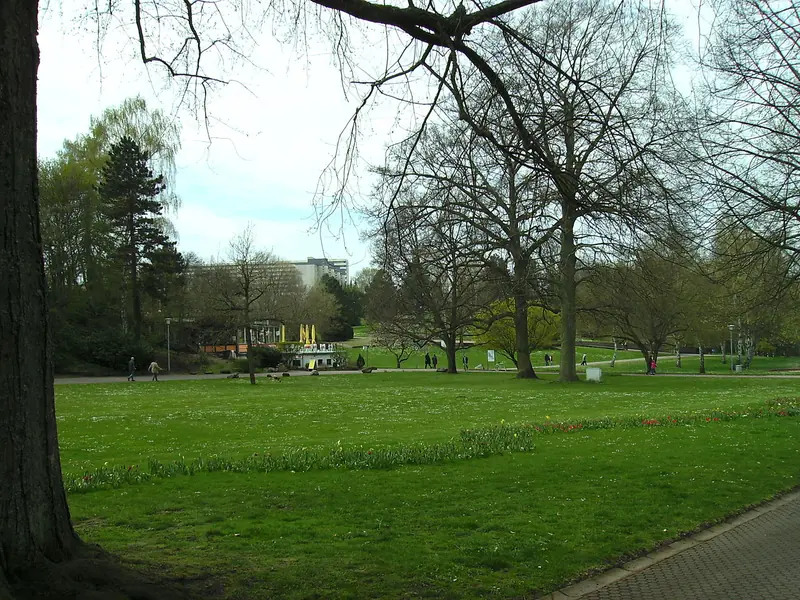
The Deutsch-Französischer Garten, or the German-French Garden, is a captivating public park located in Saarbrücken, Germany. This serene green space serves as a significant cultural landmark, reflecting the deep historical ties and shared heritage of the German and French people. Spanning several hectares, the park offers a blend of nature, leisure, and cultural experiences, making it a popular destination for both locals and visitors.
As you stroll through the garden, you’ll encounter a landscape meticulously designed to promote relaxation and appreciation of nature. The park’s lush greenery, tranquil water features, and thoughtfully arranged flower beds provide a refreshing escape from the urban bustle. Whether you’re seeking a leisurely afternoon or a place to engage with nature, the Deutsch-Französischer Garten promises a fulfilling experience.
History and Significance
The Deutsch-Französischer Garten holds a unique place in the cultural landscape of Saarbrücken. Established as a symbol of Franco-German friendship, the park reflects the intertwined histories and cooperative spirit of both nations. The garden’s inception came at a time when the two countries sought to strengthen their relationship following years of conflict.
The park serves not just as a recreational area but also as a venue for cultural events, public gatherings, and celebrations that further foster this bond. Over the years, it has become a central meeting point for residents and tourists alike, hosting various festivals and activities that showcase the rich traditions of both cultures.
The design of the garden itself is an embodiment of this partnership, featuring elements that reflect both German and French landscaping styles. Its development has been closely tied to the evolving relationship between the two nations, making it a living testament to peace, cooperation, and mutual respect.
Architecture and Features
The Deutsch-Französischer Garten is characterized by its expansive green spaces, beautifully manicured flower beds, and tranquil water features. The park’s layout combines natural beauty with artistic landscaping, providing a harmonious environment for visitors.
Key features of the garden include well-defined pathways that invite leisurely strolls and contemplative moments. The carefully curated plant life showcases a variety of species, offering seasonal blooms that attract nature enthusiasts and photographers.
One of the park’s most notable elements is its water features, which provide a serene backdrop. The ponds and fountains enhance the atmosphere of tranquility, making it an ideal setting for relaxation.
Visitors can also find designated areas for recreational activities, including spaces for picnics and leisurely games. The overall design encourages a connection with nature, promoting not only relaxation but also social interaction among visitors.
Visiting Information
The Deutsch-Französischer Garten is easily accessible by various modes of transportation. Visitors can reach the park via public transport, including local buses and trams, which connect to the wider Saarbrücken area. For those driving, parking facilities may be available nearby.
Check the official website for current information regarding opening hours and any associated costs. The park is generally welcoming throughout the year, with different seasons offering unique experiences. Spring and summer are particularly vibrant, as flowers bloom and outdoor activities flourish.
A visit can last anywhere from an hour to several hours, depending on your interests. Whether you wish to explore the entire park or simply find a peaceful spot to unwind, you can tailor your experience to fit your schedule.
Nearby Attractions
While the Deutsch-Französischer Garten is a highlight in its own right, several nearby attractions complement a visit to the park.
Saarland Museum: Just a short distance from the park, this museum offers an impressive collection of art and cultural artifacts, enriching your understanding of the region’s history.
St. Johanner Markt: This lively market square is home to a variety of shops, cafes, and restaurants, perfect for a post-park meal or an afternoon coffee.
Ludwigspark Stadion: For sports enthusiasts, this stadium hosts various local sporting events and is an integral part of Saarbrücken’s athletic culture.
Völklinger Hütte: A UNESCO World Heritage Site, this former ironworks complex showcases the industrial history of the region and is a short drive from the garden.
Saar River: Enjoy a leisurely walk along the riverbank, where you can experience the scenic beauty of the waterway that flows through the heart of Saarbrücken.
Insider Tips
For photography enthusiasts, the Deutsch-Französischer Garten offers countless opportunities for stunning shots, especially during the golden hours of early morning and late afternoon when the light is softer.
To avoid crowds, consider visiting on weekdays or during off-peak hours. Early mornings or late afternoons can provide a quieter experience, allowing for a more tranquil connection with nature.
Practical Information
When planning your visit to the Deutsch-Französischer Garten, it’s advisable to bring along essentials such as a water bottle, comfortable shoes, and perhaps a picnic blanket for a leisurely afternoon in the park.
Seasonal considerations are important; spring and summer are ideal for enjoying the garden’s full beauty, while autumn offers stunning foliage. Winter visits can also be rewarding, as the garden provides a serene landscape, albeit with fewer flowers.
Frequently Asked Questions
How long should I spend visiting?
A visit can typically last from one to several hours depending on your interests and how much of the park you’d like to explore.
Is photography allowed?
Yes, photography is allowed throughout the park, making it a great spot for capturing nature and leisurely moments.
Are there guided tours?
Currently, there are no formal guided tours available. Visitors are encouraged to explore the park at their own pace.
What’s the best time to visit?
Spring and summer are particularly vibrant times to visit, but the park can be enjoyed year-round, each season offering its own charm.
Is it wheelchair accessible?
The park is designed to be accessible, with pathways that accommodate visitors with mobility challenges.
Can I buy tickets online?
Check the official website for current information regarding any potential entry fees and ticket purchasing options.
Are there restrooms and cafes?
Facilities may be available within or near the park. It’s advisable to check the official website for details on amenities.
What should I wear?
Comfortable clothing and shoes are recommended, especially if you plan to walk or enjoy outdoor activities in the park.