Dessau
Overview
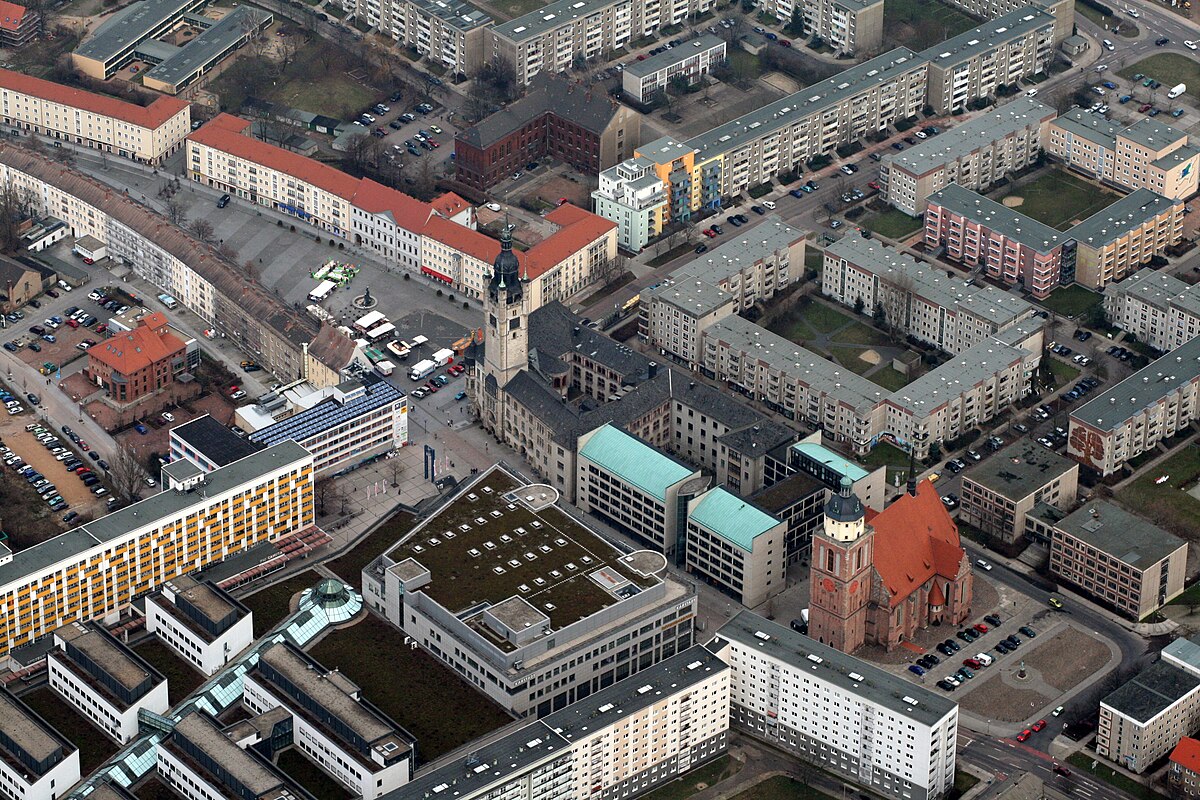
Dessau, a city located in the heart of Saxony-Anhalt, Germany, serves as an intriguing intersection of history and modernity. As part of the Dessau-Roßlau district since 2007, this Ortsteil is not merely a geographical marker but a vibrant location steeped in cultural significance. With coordinates of 51.8342° N latitude and 12.2461° E longitude, Dessau is easily accessible and offers visitors a unique glimpse into its storied past and contemporary relevance. The city’s architectural heritage, particularly its association with the Bauhaus movement, draws architecture enthusiasts and history buffs alike.
Visitors can explore a blend of artistic innovation and historical milestones that have shaped the development of this region. Dessau’s compact size makes it easy to traverse on foot, allowing for an intimate experience of its urban landscape and cultural offerings. The promise of discovery and understanding awaits those who venture into this captivating city.
History and Significance
Dessau’s historical narrative is woven through centuries of social and political change. While specific dates remain elusive, the city’s roots trace back to its establishment as a settlement. Over the years, it has evolved into an important cultural center, particularly noted for its connection to the Bauhaus school of design. Founded in 1919 by Walter Gropius, the Bauhaus movement profoundly influenced modern architecture and design, and Dessau became a pivotal site for its development.
The city’s significance extends beyond its architectural feats; it has also witnessed various socio-political transformations throughout its history. As a part of the province of Saxony-Anhalt, Dessau has been influenced by the broader historical context of Germany, including the impacts of the World Wars and the subsequent division of East and West Germany. Each of these events has left an indelible mark on the urban landscape and cultural fabric of the city.
Dessau also played a notable role in the German Reformation and has been a site for various cultural movements throughout the ages. The philosophical and artistic currents that have flowed through the city have contributed to its identity as a hub for creativity and innovation.
Architecture and Features
Dessau is characterized by a striking blend of architectural styles, with the Bauhaus movement standing out prominently. The Bauhaus Dessau, a UNESCO World Heritage site, exemplifies the principles of modernist architecture emphasizing functional design and simplicity. The iconic building, designed by Walter Gropius, is a pivotal piece of architectural history and serves as a testament to the innovative spirit that defined the era.
In addition to Bauhaus structures, Dessau features various historical buildings that reflect its diverse architectural heritage. The city’s layout includes both traditional German architecture and modern constructions, creating a visual dialogue between the past and the contemporary. Visitors can expect to see well-preserved examples of late Gothic and Renaissance styles alongside modernist designs, providing a rich context for architectural exploration.
The urban landscape of Dessau is punctuated by green spaces and parks, which not only enhance the aesthetic appeal of the city but also offer recreational opportunities for residents and visitors alike. These spaces are integral to the city’s charm, allowing for leisurely strolls while appreciating the architectural surroundings.
Visiting Information
Dessau is well-connected by public transportation, making it easily accessible for travelers. Visitors can arrive by train or bus, with regular services from major cities such as Berlin and Leipzig. Once in Dessau, the compact nature of the city allows for easy exploration on foot, enabling visitors to appreciate its architectural beauty and cultural landmarks.
Check the official website for current information on hours and prices for attractions, as these may vary throughout the year. It is advisable to allocate at least half a day to fully experience the key sights, although a longer visit would provide a deeper understanding of the city’s rich heritage.
The best times to visit Dessau are during the spring and early autumn months when the weather is mild, and outdoor activities can be enjoyed comfortably. Summer may bring larger crowds, particularly during events and festivals that celebrate the city’s cultural offerings.
Nearby Attractions
While Dessau itself is captivating, several nearby attractions enhance the overall travel experience:
Wörlitz Park: A UNESCO World Heritage site, this sprawling park features a stunning landscape of gardens, lakes, and neoclassical buildings, ideal for a peaceful day trip.
Bauhaus Dessau Foundation: Further explore the principles of the Bauhaus movement at this foundation, which offers exhibitions, workshops, and educational programs.
Dessau-Roßlau Museum: This museum showcases the local history and culture, providing a broader context for understanding the region’s significance.
Zerbster Castle: A short drive from Dessau, this historical castle presents visitors with a glimpse into the Renaissance era and its architectural grandeur.
Oranienbaum Palace: Another nearby attraction, this Baroque palace is surrounded by picturesque gardens, perfect for a leisurely visit.
Insider Tips
To capture the essence of Dessau through photography, consider visiting early in the morning or late in the afternoon, when the light casts interesting shadows across the architectural features. The Bauhaus building itself provides excellent opportunities for striking images, with its clean lines and modernist aesthetic.
To avoid crowds, plan your visit during weekdays rather than weekends, especially if you aim to explore popular attractions. This will allow for a more tranquil experience as you navigate the city.
Practical Information
When visiting Dessau, it is advisable to bring comfortable walking shoes, as the city is best explored on foot. A light jacket may be necessary during the spring and autumn months, as temperatures can vary throughout the day.
Seasonal events, such as local festivals or cultural exhibitions, may influence your visit. Therefore, checking the official website for current happenings and recommendations is beneficial.
Frequently Asked Questions
How long should I spend visiting?
A visit of at least half a day is recommended for a thorough exploration of Dessau’s key attractions.
Is photography allowed?
Yes, photography is generally permitted in public spaces and at most attractions, but check specific site rules for any restrictions.
Are there guided tours?
Guided tours may be available, providing deeper insights into the city’s history and architecture. Check the official website for details.
What’s the best time to visit?
Spring and early autumn are ideal for comfortable weather and fewer crowds.
Is it wheelchair accessible?
Many of the main attractions in Dessau are accessible, but it is advisable to confirm specific accessibility options on the official website.
Can I buy tickets online?
Check the official website for information on online ticket purchases for various attractions.
Are there restrooms and cafes?
Public restrooms and cafes can be found throughout the city, especially near major attractions.
What should I wear?
Comfortable clothing and shoes are recommended for walking around the city, along with a light jacket for cooler evenings.
Location
More in Brandenburg
Agnetenkloster
📍 Brandenburg, Germany
Agnetenkloster, a former monastery located in the heart of Magdeburg, Germany, invites visitors to explore its serene ambiance and historical …

Agroneum
📍 Brandenburg, Germany
Agroneum is a museum located in the serene landscape of Alt Schwerin, Germany. This establishment serves as a vibrant hub for those interested in the …

Alexander Nevsky Memorial Church
📍 Brandenburg, Germany
The Alexander Nevsky Memorial Church in Potsdam, Germany, offers visitors a unique glimpse into the city’s cultural and religious heritage. This …
Alexandrowka
📍 Brandenburg, Germany
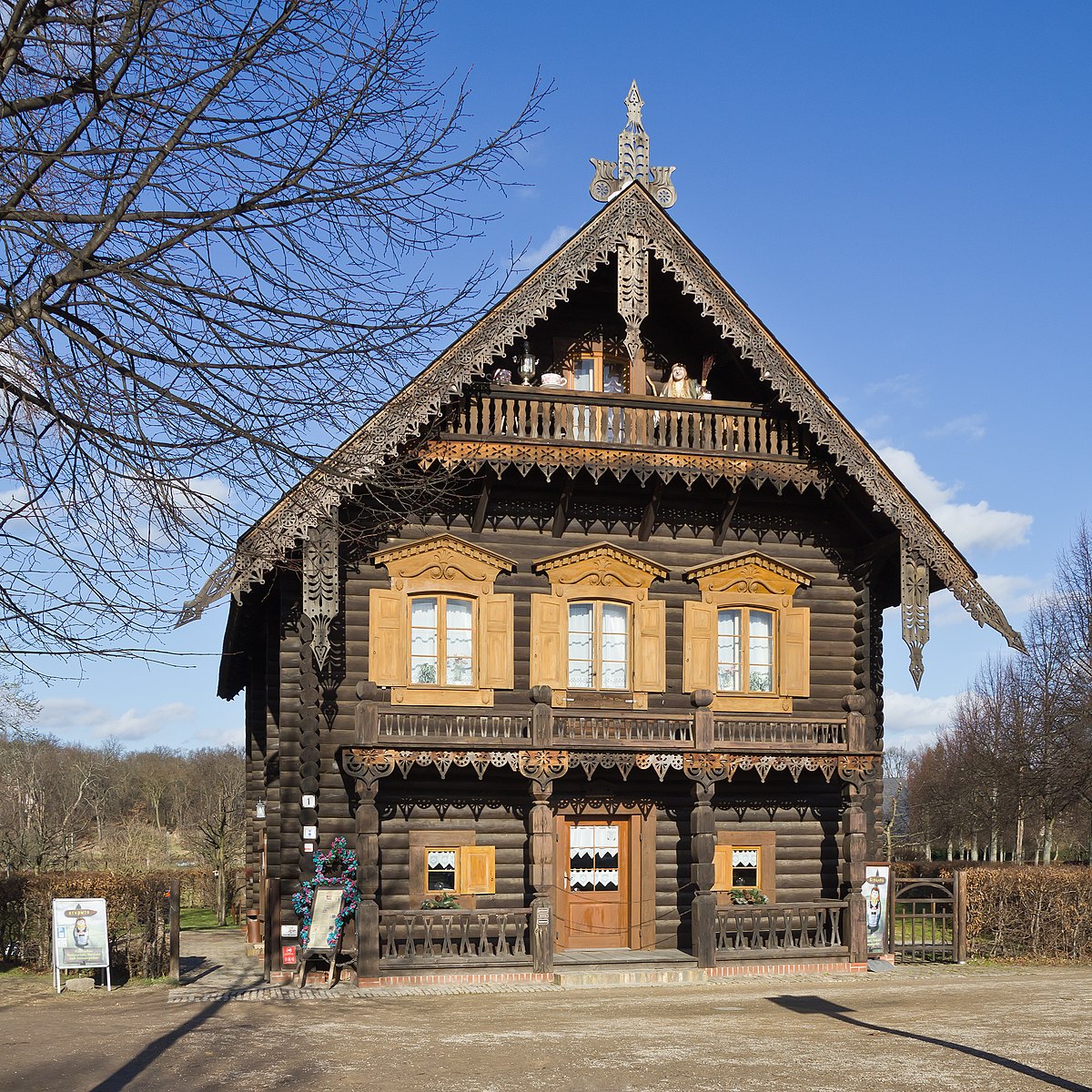
Located in the picturesque city of Potsdam, Germany, Alexandrowka is an intriguing architectural ensemble that reflects a unique blend of Russian and …

Alte Burg Penzlin
📍 Brandenburg, Germany
Alte Burg Penzlin, a captivating castle located in the quaint town of Penzlin, Germany, serves as a remarkable example of medieval architecture and …

Alte Dorfkirche Röxe
📍 Brandenburg, Germany
The Alte Dorfkirche Röxe stands as a poignant symbol of architectural and cultural history in the Stendal region of Germany. This church building, …