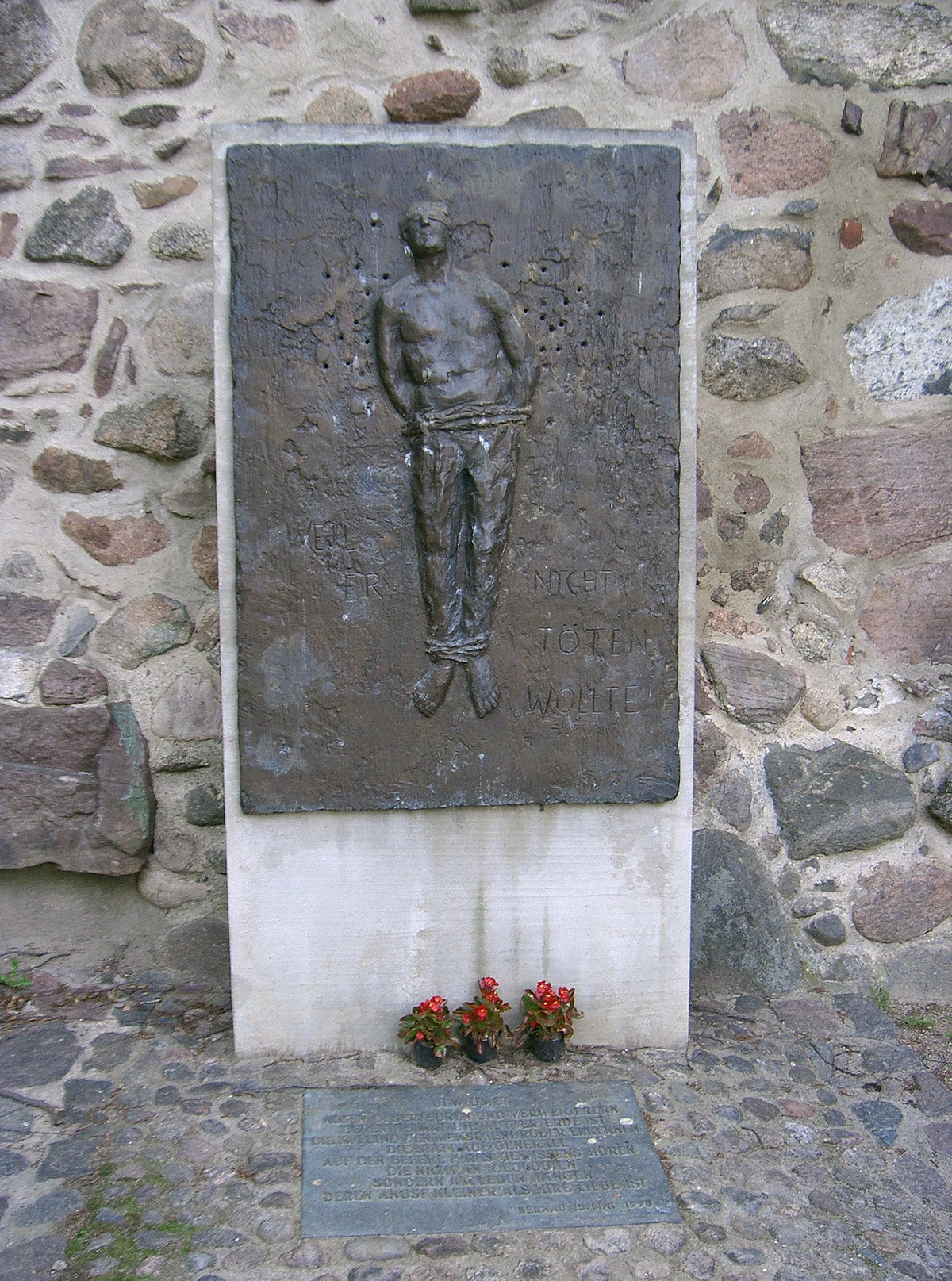
Deserteurdenkmal (Bernau bei Berlin)
Overview
The Deserteurdenkmal, located in Bernau bei Berlin, is a poignant monument dedicated to the memory of those who resisted military service in the former German Democratic Republic (GDR). This solemn site serves as a reminder of the struggles faced by individuals who made the difficult decision to desert the military during a time of political repression. Set against the backdrop of Brandenburg, this monument not only commemorates the courage of these individuals but also encourages reflection on the broader themes of freedom and human rights.
Visitors to the Deserteurdenkmal will find a space that invites contemplation and respect. The monument stands as a symbol of resistance against coercion and the quest for personal autonomy, making it a significant landmark in understanding Germany’s complex history in the context of the Cold War. As you approach the monument, you will be struck by its solemnity and the weight of its message, offering a unique opportunity to engage with the past and its implications for present-day values.
History and Significance
The Deserteurdenkmal has deep cultural resonance, particularly given its focus on the moral and ethical dilemmas surrounding military service in a divided Germany. The monument is dedicated to deserters who chose to abandon their military posts, often at great personal risk, in order to maintain their integrity and oppose the prevailing political system of the GDR. These individuals faced severe consequences for their actions, including imprisonment and social ostracism.
This monument not only memorializes the acts of these courageous individuals but also serves as a broader commentary on the nature of duty, freedom, and the human spirit’s resilience in the face of oppression. The site has become an important location for remembrance and reflection, drawing attention to the complex narratives of loyalty and dissent that characterized life under a totalitarian regime.
The significance of the Deserteurdenkmal extends beyond its immediate context; it resonates with contemporary discussions on civil rights and the importance of standing up for one’s beliefs, even when such acts may lead to personal risk. The monument encourages visitors to reflect on the importance of freedom of choice and the moral complexities associated with military service. As such, it plays a crucial role in fostering dialogue about peace, justice, and human rights.
Architecture and Features
The architectural design of the Deserteurdenkmal is both striking and meaningful, reflecting the gravity of its subject matter. While specific dimensions and detailed architectural features may not be readily available, the monument’s overall structure embodies a sense of solemnity that aligns with its purpose.
Typically, memorials of this nature employ simple yet powerful design elements that evoke reflection and contemplation. The materials used are often durable, signifying the enduring nature of the values they represent. Visitors may observe how the monument is integrated into its surroundings, inviting a moment of pause in a space that encourages both solitude and remembrance.
Surrounding the monument, the landscaping is likely designed to create a respectful atmosphere. Visitors often find themselves drawn into the quietness of the site, where the weight of history can be felt. The placement of the monument may also be intentional, situated in a manner that prompts visitors to consider their own thoughts and feelings about the themes of resistance and courage.
Visiting Information
Bernau bei Berlin is accessible via public transport, making it relatively easy for visitors to reach the Deserteurdenkmal. Various options, including trains and regional buses, connect the area to Berlin and other nearby cities. Check the official website for current information on transport options and schedules.
While visiting the monument, it’s advisable to allocate sufficient time for reflection. A visit can take anywhere from 30 minutes to a couple of hours, depending on your interest in the themes presented and the surrounding area. The ambiance of the site encourages a respectful and contemplative experience, making it an ideal stop for those interested in history and human rights.
As always, check the official website for hours and any potential entry fees before planning your visit. The best times to visit are often during weekdays when the site is less crowded, allowing for a more personal experience.
Nearby Attractions
Bernau’s Historic Town Center: Explore the charming streets of Bernau, which feature historical architecture and quaint shops, providing a glimpse into local life.
St. Mary’s Church (Sankt Marien): A beautiful Gothic church located nearby, known for its stunning architecture and historical significance.
The Barnim Nature Park: For those who appreciate the outdoors, this park offers trails and natural beauty, perfect for a leisurely walk or a picnic.
The Memorial for the Victims of the Wall: Another important site that highlights the impact of the Berlin Wall, providing further historical context to your visit.
The Berlin Wall Memorial: Located in the nearby capital, this memorial is dedicated to the history of the Berlin Wall and its effects on the lives of those living in a divided Germany.
Insider Tips
When visiting the Deserteurdenkmal, consider bringing a camera, but be respectful of the solemn nature of the site. Early mornings or late afternoons can provide softer lighting for photographs, while also being times when the site may be less crowded, allowing for a more introspective visit.
To avoid larger crowds, plan your visit during weekdays rather than weekends. This can enhance your experience, providing a quieter atmosphere conducive to reflection.
Practical Information
When planning your visit to the Deserteurdenkmal, it’s wise to bring along essentials such as water and comfortable walking shoes, as you may want to explore the surrounding area.
Seasonal considerations should also be accounted for; spring and autumn can offer mild weather ideal for walking. In winter, be prepared for colder temperatures, which may affect your visit duration as outdoor exploration can be less appealing.
Frequently Asked Questions
How long should I spend visiting?
Visitors typically spend between 30 minutes to a couple of hours at the Deserteurdenkmal, depending on personal interest in the themes of the monument.
Is photography allowed?
Photography is generally allowed, but visitors should be respectful of the site’s solemn nature when taking photos.
Are there guided tours?
Check the official website for information regarding guided tours and any educational programs that may be available.
What’s the best time to visit?
Weekdays are often the best times to visit to avoid crowds, while early morning or late afternoon can provide a more peaceful atmosphere.
Is it wheelchair accessible?
Accessibility features may vary; check the official website for specific details regarding wheelchair access.
Can I buy tickets online?
Check the official website for details on ticketing options and any fees that may apply.
Are there restrooms and cafes?
Facilities may be limited at the monument site; consider stopping in nearby Bernau for restrooms or refreshments.
What should I wear?
Dress comfortably for walking and consider the weather conditions when planning your attire.
More in Berlin

144., 176. und 184. Gemeindeschule
📍 Berlin, Germany
The 144., 176. und 184. Gemeindeschule, an architectural ensemble located in the vibrant city of Berlin, stands as a noteworthy example of educational …

Academy of Arts (Hanseatenweg)
📍 Berlin, Germany
The Academy of Arts (Hanseatenweg) stands as an emblem of Berlin’s vibrant cultural landscape, located in the historic Hansaviertel district. Renowned …

Academy of Arts, Berlin
📍 Berlin, Germany
The Academy of Arts in Berlin is not just a museum; it is a prominent national institution dedicated to the advancement of the arts in Germany. …

Academy of the Konrad-Adenauer-Stiftung
📍 Berlin, Germany
The Academy of the Konrad-Adenauer-Stiftung, located in the heart of Berlin, is not just a foundation but a hub of intellectual discourse and …

ACUD
📍 Berlin, Germany
Located in the heart of Berlin’s Bezirk Mitte, ACUD serves as a vibrant cultural center and cinema, showcasing an array of films and events that …

Admiralspalast
📍 Berlin, Germany
Admiralspalast is a prominent theatre and event venue located in the heart of Berlin, Germany. This architectural gem serves as a cultural hub, …
More Monuments

8. November 1939 (Denkmal)
📍 Bavaria, Germany
The 8. November 1939 (Denkmal) stands as a poignant monument in Munich, Germany, marking a significant moment in the nation’s history. Dedicated to …

Abensbergerdenkmal
📍 Bavaria, Germany
The Abensbergerdenkmal, a notable monument located in Freising, Upper Bavaria, Germany, serves as an evocative reminder of the region’s historical and …

Adlerstein
📍 Baden-Württemberg, Germany
Adlerstein, a national heritage site located in Ernsbach-Erbuch, Germany, is a monument that speaks volumes about the region’s cultural and historical …

Adornodenkmal
📍 Hesse, Germany
Adornodenkmal, a prominent monument located in Frankfurt am Main, Germany, serves as a significant cultural landmark that encapsulates the spirit of …

Airlift Memorial
📍 Berlin, Germany
The Airlift Memorial, a striking series of monuments in Celle, Germany, stands as a poignant reminder of a significant chapter in post-war history. …

Alfred Krupp monument, Essen
📍 Lower Saxony, Germany
The Alfred Krupp monument in Essen, Germany, serves as a significant landmark that pays homage to one of the nation’s most influential industrialists. …