Overview
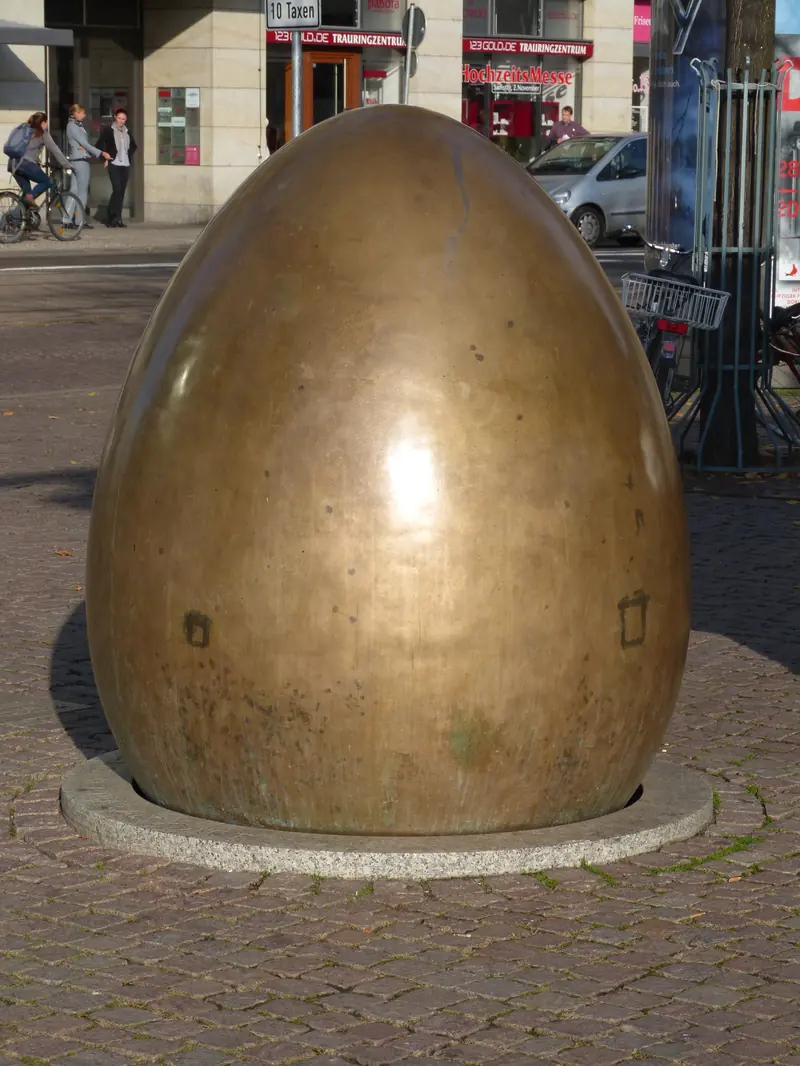
The Demokratieglocke, or Democracy Bell, is a significant monument located in Leipzig, Germany, symbolizing the ideals of democracy and freedom. This striking memorial serves as a reminder of the historical struggles and achievements in the pursuit of democratic governance. Its presence in Leipzig, a city known for its vibrant history of civil rights movements, makes it a focal point for discussions about liberty and social justice. Visitors to this monument can expect not only a poignant reminder of the past but also a space that invites reflection on the future of democratic values.
Situated at the coordinates 51.339397, 12.3802399, the monument is easily accessible, making it a popular stop for both locals and tourists. As you approach the Demokratieglocke, you will find it surrounded by an urban setting that echoes the legacy of the city’s rich history. The monument stands as an emblem of hope, inviting visitors to engage with the ongoing dialogue about democracy in contemporary society.
History and Significance
The Demokratieglocke is more than just a physical structure; it represents a pivotal aspect of Germany’s journey towards democracy. The bell itself has become synonymous with the ideals of freedom and human rights, reflecting the aspirations of those who have fought for their voices to be heard. Leipzig, known for its role in the peaceful protests leading to the reunification of Germany, adds a layer of significance to the monument.
Throughout its history, the site has attracted attention from those advocating for democratic reform. It stands as a memorial to the countless individuals who have participated in movements for civil rights, providing a space for remembrance and reflection. The bell serves not only as a historical artifact but also as a symbol of hope for future generations, reinforcing the belief that democracy requires ongoing vigilance and participation.
The monument encapsulates the spirit of collective action, urging visitors to recognize the importance of civic engagement. In a world where democratic principles are often challenged, the Demokratieglocke stands as a reminder of the resilience required to uphold these values. The cultural importance of the site cannot be overstated, as it continues to inspire dialogues about governance, rights, and the role of citizens in shaping their societies.
Architecture and Features
The Demokratieglocke is characterized by its distinct architectural form, designed to convey a sense of openness and accessibility. While specific dimensions and detailed architectural elements are not provided, the structure’s design reflects a modern approach to memorialization, striking a balance between form and function.
One notable feature of the monument is its bell, which is emblematic of communication and the call to action inherent in democratic movements. This bell serves as a focal point for visitors, symbolizing the call for justice and the importance of collective voices. Surrounding the bell, the monument is likely to include inscriptions and other artistic elements that pay homage to the struggles for democracy.
The overall design encourages contemplation, inviting visitors to engage with its symbolism. The monument is situated in a way that allows for both personal reflection and communal gatherings, fostering a connection among those who visit. While specific architectural details may vary, the essence of the Demokratieglocke lies in its ability to inspire and provoke thought about the fundamental principles of freedom and democracy.
Visiting Information
Visiting the Demokratieglocke is an enriching experience that provides insight into both the local history and the broader narrative of democracy. The monument is conveniently located, making it accessible via various modes of transportation. Whether you choose to walk, cycle, or use public transport, reaching the site should be straightforward.
While specific hours of operation and entry fees are not detailed here, it is advisable to check the official website for current information to plan your visit effectively. Typically, visitors can expect to spend around an hour engaging with the monument, allowing time for reflection and exploration of the surrounding area.
The best times to visit may vary; however, weekdays often see fewer crowds, providing a more intimate experience. Early mornings or late afternoons can also be ideal for those looking to avoid peak visiting hours.
As you prepare for your visit, consider bringing a camera to capture the moment, though be mindful of any guidelines regarding photography, especially if you wish to document the bell and its surroundings.
Nearby Attractions
Leipzig is a city rich in culture and history, offering several nearby attractions that complement a visit to the Demokratieglocke:
St. Thomas Church (Thomaskirche): Famous for its association with Johann Sebastian Bach, this church is a must-see for music lovers and history enthusiasts alike.
Leipzig Museum of Fine Arts (Museum der bildenden Künste): This museum houses an impressive collection of artworks spanning centuries, providing a deeper understanding of the region’s artistic heritage.
Völkerschlachtdenkmal: This monumental structure commemorates the Battle of Leipzig and offers panoramic views of the city from its observation deck.
The Leipzig Cotton Mill (Leipziger Baumwollspinnerei): A contemporary cultural site, this former cotton mill has been transformed into a vibrant hub of galleries, studios, and creative spaces.
The Leipzig Panometer: An impressive panoramic art installation within a former gas holder, this site features large-scale 360-degree artworks that transport visitors to various historical contexts.
Insider Tips
For those planning a visit to the Demokratieglocke, here are some tips to enhance your experience:
Photography Tips: Capture the monument from different angles to fully appreciate its design and significance. Early mornings or late afternoons provide softer lighting, ideal for photography.
Crowd Avoidance: If you prefer a quieter experience, consider visiting during weekdays or early in the morning. Popular tourist times, such as weekends, can lead to larger crowds.
Engage with Local History: Take the time to explore the local area and engage with the history of Leipzig. Local guides or informational plaques can provide valuable context during your visit.
Practical Information
When planning your visit to the Demokratieglocke, consider bringing along a few essentials:
What to Bring: Comfortable shoes for walking, a camera for photography, and a water bottle to stay hydrated.
Seasonal Considerations: Be mindful of the weather, as Leipzig experiences varied climates. Dressing in layers is advisable, especially during the transitional seasons of spring and autumn.
Accessibility: While specific accessibility features are not mentioned, it is best to check the official website for details regarding wheelchair access and facilities.
Frequently Asked Questions
How long should I spend visiting?
A visit typically takes about an hour, allowing time for reflection and exploration of the monument and its surroundings.
Is photography allowed?
Photography is generally permitted, but always check for any specific guidelines or restrictions at the site.
Are there guided tours?
Information regarding guided tours may vary. It’s advisable to check the official website for details on available tours and scheduling.
What’s the best time to visit?
Weekdays and early mornings are often less crowded, providing a more tranquil experience.
Is it wheelchair accessible?
For specific accessibility features, please check the official website before your visit.
Can I buy tickets online?
Check the official website for current information regarding ticketing options and pricing.
Are there restrooms and cafes?
Facilities such as restrooms and cafes may be available; confirm details on the official website before your visit.
What should I wear?
Comfortable and weather-appropriate clothing is recommended, especially if you plan to spend time exploring the outdoor area around the monument.
Photo Gallery