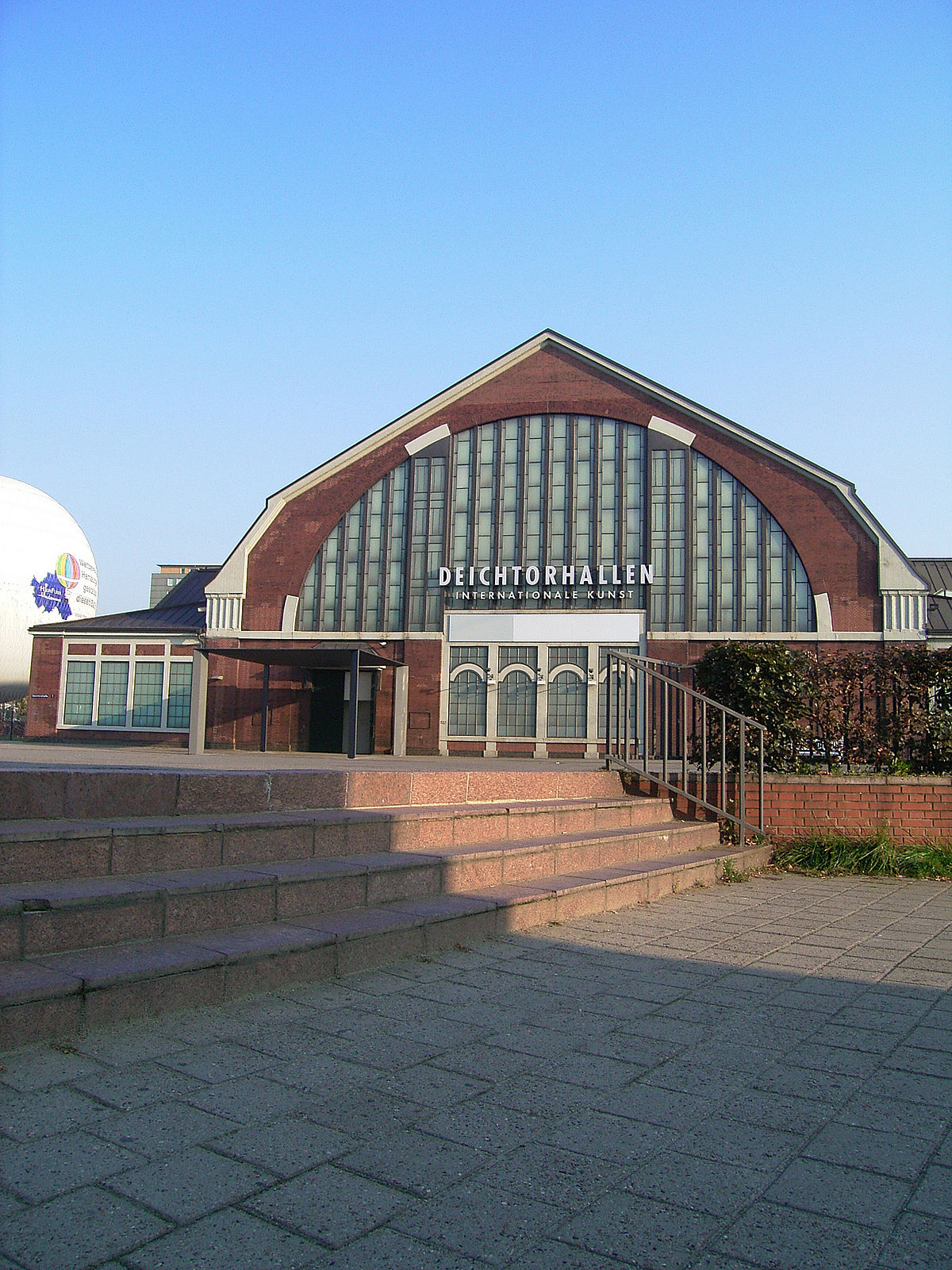
Deichtorhallen
Overview
Deichtorhallen stands out as a prominent art museum located in the heart of Hamburg, Germany. This contemporary art exhibition venue is a hub for artistic expression that attracts both local and international visitors. With a focus on showcasing modern art, Deichtorhallen has gained recognition for its diverse range of exhibitions, featuring works from established and emerging artists. The museum is situated in Hamburg-Mitte, an area known for its vibrant cultural scene, making it a significant stop on any art enthusiast’s itinerary.
The museum’s unique architectural design, characterized by its historic elements paired with modern influences, reflects the dynamic nature of the art it houses. As you explore the expansive gallery spaces, you’re invited to engage with thought-provoking pieces that challenge perceptions and provoke dialogue. Whether you are an avid art lover or a casual visitor, Deichtorhallen promises an enriching experience that highlights contemporary artistic trends and cultural conversations.
History and Significance
Deichtorhallen’s evolution into a leading contemporary art museum is marked by its commitment to innovation and creativity. Originally established in the 19th century as market halls, the buildings were repurposed to serve as an exhibition space, allowing for the display of contemporary artworks. This transformation underscores the adaptive reuse of architectural spaces, a practice that aligns with the museum’s ethos of embracing change and modernity.
The museum has played a crucial role in Hamburg’s cultural landscape, contributing to the city’s reputation as a center for the arts. It serves as a platform for both international and local artists, fostering a dialogue between different artistic practices and cultural narratives. Deichtorhallen’s exhibitions often address pressing social issues, pushing the boundaries of contemporary art and encouraging visitors to reflect on the world around them.
In addition to its exhibitions, Deichtorhallen hosts various events, lectures, and workshops, further solidifying its position as a key player in the contemporary art scene. By engaging with the community and promoting artistic dialogue, the museum not only showcases art but also cultivates a deeper understanding of its significance in society.
Architecture and Features
The architecture of Deichtorhallen is a striking blend of historical and contemporary design. The museum is housed in two large, former market halls that feature high ceilings and expansive open spaces, ideal for showcasing large-scale artworks and installations. The original brick façades of the buildings are preserved, providing a glimpse into their historical significance while complementing the modern interventions that enhance the gallery experience.
A notable feature of Deichtorhallen is its glass roof, which floods the interior with natural light, creating an inviting atmosphere for visitors. This thoughtful design allows artworks to be viewed in a variety of lighting conditions, enhancing the appreciation of each piece. The museum’s layout is also designed to facilitate a seamless flow from one exhibition to another, encouraging exploration and engagement.
Throughout the museum, visitors will find a carefully curated selection of contemporary art that spans various mediums, including photography, painting, and installation art. The spacious galleries allow for immersive experiences, where visitors can fully engage with the works on display. The combination of historical architecture and modern exhibition practices makes Deichtorhallen a visually captivating destination for art lovers and casual visitors alike.
Visiting Information
Deichtorhallen is conveniently located in Hamburg-Mitte, making it easily accessible via various modes of transportation. Public transport options, including buses and trains, provide efficient access to the museum from different parts of the city. Visitors can check the official website for current information regarding hours and ticket prices, ensuring they have the most up-to-date details before planning their visit.
When visiting Deichtorhallen, it is advisable to allocate a few hours to fully immerse yourself in the exhibitions. Depending on your interest in contemporary art, you may wish to spend more time exploring the diverse range of works on display. The best times to visit are typically during weekdays when the museum is less crowded, allowing for a more intimate experience with the art.
Inside, visitors can expect a welcoming atmosphere with knowledgeable staff available to provide insights and assistance. The museum is designed to accommodate a wide array of visitors, including families and individuals seeking a deeper understanding of contemporary art.
Nearby Attractions
After your visit to Deichtorhallen, consider exploring some of the nearby attractions to enrich your cultural experience in Hamburg:
Hamburger Kunsthalle: One of Germany’s most important art museums, featuring a vast collection of European art from the Middle Ages to contemporary works.
Speicherstadt: A historic warehouse district and UNESCO World Heritage Site, known for its stunning red-brick architecture and picturesque canals.
Miniatur Wunderland: The world’s largest model railway exhibition, showcasing intricately crafted miniature landscapes and cities.
Elbphilharmonie: An architectural marvel and concert hall located on the waterfront, renowned for its stunning design and acoustics.
Planten un Blomen: A beautiful park offering lush gardens, scenic walking paths, and seasonal events, perfect for a relaxing stroll.
Insider Tips
To make the most of your visit to Deichtorhallen, consider the following insider tips:
Photography: While some exhibitions may allow photography, it is best to check for any restrictions before taking photos. Respect the artists’ wishes regarding their work.
Crowd Avoidance: To avoid larger crowds, aim to visit during weekday mornings. Early visits can provide a quieter atmosphere for enjoying the art.
Guided Tours: If you’re interested in a deeper understanding of the exhibitions, inquire about any guided tour options available during your visit.
Practical Information
When planning your visit to Deichtorhallen, here are a few practical considerations to keep in mind:
What to Bring: Comfortable walking shoes are recommended, as you’ll likely spend a few hours exploring the museum. A small notebook or sketchpad can also be handy for jotting down thoughts or inspiration.
Seasonal Considerations: Check the official website for any seasonal events or changes in opening hours, especially during holidays.
Amenities: Depending on the current offerings, there may be restrooms and cafes available within the museum for visitor convenience.
Frequently Asked Questions
How long should I spend visiting?
It is recommended to allocate at least two to three hours to fully explore the exhibitions and engage with the art.
Is photography allowed?
Photography policies vary by exhibition. Be sure to check for any restrictions before taking photos.
Are there guided tours?
Deichtorhallen may offer guided tours; check the official website for current availability and scheduling.
What’s the best time to visit?
Weekdays, especially in the morning, are often less crowded, providing a more peaceful experience.
Is it wheelchair accessible?
Deichtorhallen is designed to be accessible for all visitors. Check the official website for specific accessibility features.
Can I buy tickets online?
Tickets may be available for purchase online. Confirm details on the official website before your visit.
Are there restrooms and cafes?
Check the official website for information regarding restrooms and any on-site cafes or dining options.
What should I wear?
Comfortable clothing and shoes are recommended, as you may spend several hours walking and exploring the museum. Dress appropriately for the weather if you plan to explore the surrounding area.
More in Hamburg

Abaton
📍 Hamburg, Germany
Abaton is a prominent movie theater located in the vibrant Eimsbüttel district of Hamburg, Germany. This cinema is not only a hub for film enthusiasts …

Abwasser- und Sielmuseum
📍 Hamburg, Germany
The Abwasser- und Sielmuseum, located in the heart of Hamburg-Mitte, offers a unique glimpse into the city’s historical infrastructure concerning …

Adolphsplatz
📍 Hamburg, Germany
Adolphsplatz is an intriguing square located in the heart of Hamburg-Mitte, Germany’s vibrant and historic urban center. This urban space serves as a …

Adventskirche
📍 Hamburg, Germany
Adventskirche, a notable church building located in the Eimsbüttel district of Hamburg, Germany, stands out not only for its architectural features …
Afghan Museum
📍 Hamburg, Germany
The Afghan Museum in Hamburg-Mitte offers a unique glimpse into the culture and history of Afghanistan, presenting visitors with a curated experience …

Ahrensburg Castle
📍 Hamburg, Germany
Ahrensburg Castle, a striking château located in the charming town of Ahrensburg, Germany, serves as a captivating representation of the region’s …
More Art Museums

Aachen Cathedral Treasury
📍 North Rhine-Westphalia, Germany
Aachen Cathedral Treasury, located in the historic city of Aachen, Germany, is a remarkable art museum that houses an impressive collection of …

Abteiberg Museum
📍 North Rhine-Westphalia, Germany
In the heart of Mönchengladbach, Germany, the Abteiberg Museum stands out as a prominent destination for art enthusiasts and cultural explorers alike. …

Akademisches Kunstmuseum
📍 North Rhine-Westphalia, Germany
In the heart of Bonn, Germany, lies the Akademisches Kunstmuseum, an art museum that invites visitors to explore a diverse collection of artworks …

Albertinum
📍 Saxony, Germany
Albertinum is a prominent art museum located in the heart of Dresden, Germany, serving as a significant cultural institution in the region. …

Albrecht Dürer's House
📍 Bavaria, Germany
Albrecht Dürer’s House stands as a significant cultural landmark in Nuremberg, Germany, celebrating the life and work of one of the Renaissance’s most …
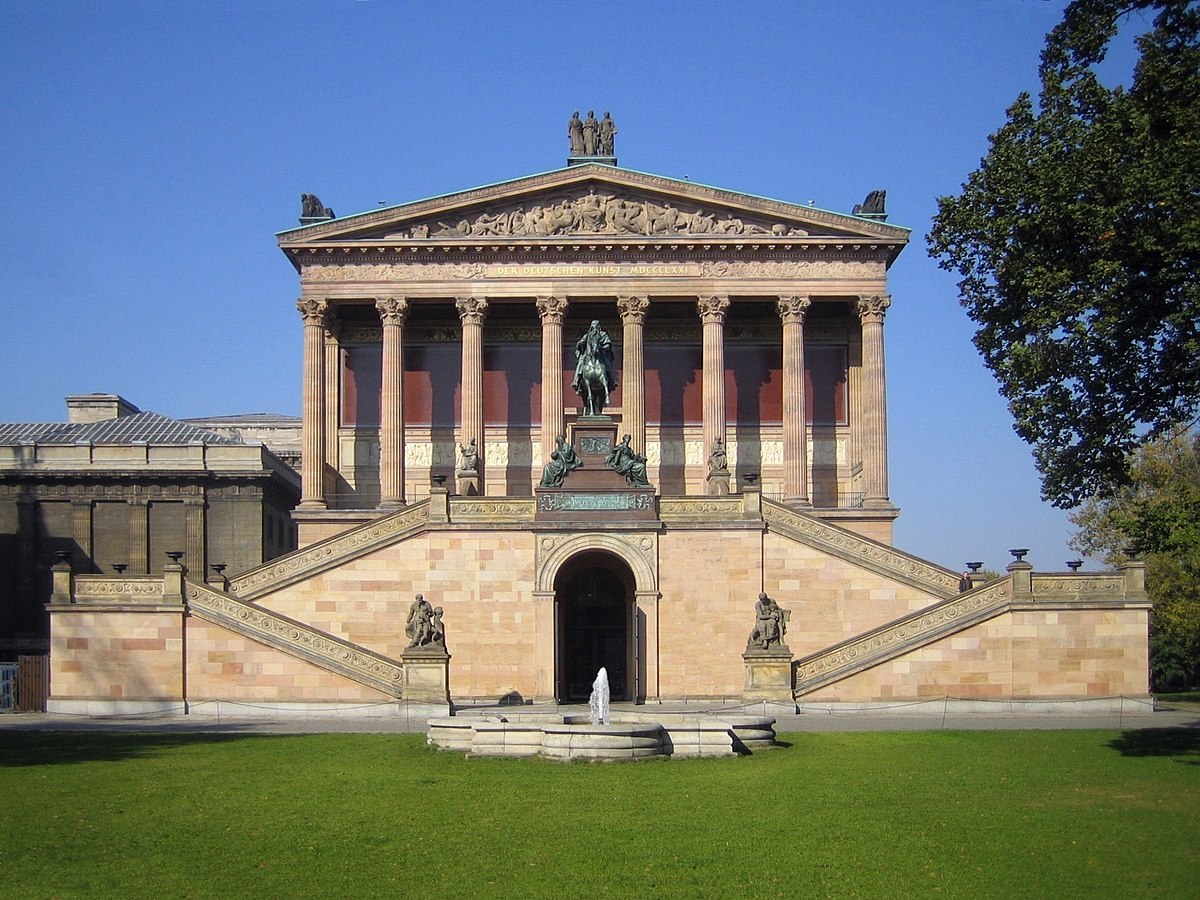
Alte Nationalgalerie
📍 Berlin, Germany
The Alte Nationalgalerie, an esteemed art museum located in Berlin’s Bezirk Mitte, is a cornerstone of cultural appreciation in Germany. This museum …