
DB Museum Halle
Overview
The DB Museum Halle is a significant cultural institution located in Halle (Saale), Germany. As a museum dedicated to the history of railways, it offers visitors a glimpse into the evolution of rail transport and its profound impact on society and industry. The museum serves as a crucial resource for understanding the development of railway technology and its role in shaping modern transportation. With its comprehensive exhibits and educational programs, the museum attracts a diverse audience, from railway enthusiasts to families looking for an engaging day out. Here, visitors can explore a variety of artifacts, models, and displays that chronicle the rich history of rail travel in Germany and beyond.
Situated in the central region of Germany, Halle (Saale) is known for its vibrant cultural scene and historical significance. The DB Museum adds to the city’s allure, providing an insightful experience for anyone interested in the stories behind the trains that have traversed the landscape for more than a century. Whether you are an aficionado of railway history or simply curious about the transportation advancements that have influenced daily life, a visit to the DB Museum Halle promises to be an informative and enjoyable experience.
History and Significance
The DB Museum Halle serves as a vital center for preserving and presenting the history of railways in Germany. Rail transport has played a pivotal role in the country’s industrialization and economic development since the early 19th century. The museum’s collections reflect this evolution, showcasing the technological advancements that have occurred over the decades. From steam locomotives to electric trains, the exhibits highlight the innovations that have made rail travel more efficient and accessible.
The museum’s significance extends beyond its collections; it also serves as an educational platform, providing insights into the social and economic changes brought about by railway expansion. The impact of railways on urban development, trade, and mobility is a recurring theme in the museum’s programming. By engaging visitors with interactive displays and informative signage, the DB Museum Halle fosters an appreciation for the historical context of rail transport and encourages discussions about its future.
Moreover, the museum plays a role in preserving railway heritage. As rail networks continue to evolve, the DB Museum Halle ensures that the history of this essential mode of transport is not forgotten. Events, exhibitions, and educational outreach help to maintain interest in railway history, making it a relevant topic for contemporary audiences.
Architecture and Features
The DB Museum Halle is characterized by its modern architectural design, which complements its role as a contemporary museum while harking back to the historical context of its collections. The building’s layout is designed to facilitate an engaging visitor experience, with spacious exhibition halls that allow for the display of large railway artifacts, including locomotives and carriages.
Inside, the museum features a variety of interactive installations that enhance the educational experience. Visitors can expect to encounter detailed models, informative panels, and multimedia presentations that bring the history of railways to life. The exhibits are thoughtfully organized, making it easy to navigate through different eras and technological advancements in railway history.
Notable features include original railway artifacts that tell the story of railway development in Germany. These may include vintage locomotives, historical photographs, and memorabilia that showcase the cultural significance of rail travel. The museum also hosts temporary exhibitions that focus on specific themes related to railway history, ensuring that there is always something new to discover.
Visiting Information
Reaching the DB Museum Halle is convenient, thanks to its central location in Halle (Saale). Visitors can utilize various forms of public transport, including trains and local buses, which connect the museum with other parts of the city. For those driving, parking facilities may be available nearby, but it is advisable to check the official website for current information regarding accessibility and options.
Expect a well-curated experience that allows for a thorough exploration of the exhibits. Most visitors find that spending around two to three hours at the museum offers ample time to appreciate the displays and engage with the informative content. The museum is typically family-friendly, making it suitable for visitors of all ages.
To maximize your visit, consider checking the official website for the most up-to-date information regarding opening hours and ticket prices. Additionally, planning your visit during weekdays might help avoid larger crowds, particularly during school holidays.
Nearby Attractions
While the DB Museum Halle is a highlight of Halle (Saale), there are several other attractions nearby that can enhance your visit:
Marktkirche: This impressive market church is located in the city center and is known for its striking Gothic architecture and rich history.
Halle Opera House: A cultural landmark, the opera house offers a variety of performances, including opera, ballet, and concerts throughout the year.
Moritzburg: This historic castle houses the Kunstmuseum Moritzburg, which features an extensive collection of modern art and temporary exhibitions.
Botanical Garden: For a peaceful retreat, the botanical garden offers a diverse range of plant species and serene walking paths.
Giebichenstein Castle: Located on a hill overlooking the Saale River, this castle provides historical insights and picturesque views of the surrounding area.
Insider Tips
For photography enthusiasts, the DB Museum Halle offers numerous opportunities to capture the essence of railway history. However, be sure to check whether flash photography is permitted in specific areas. Early morning visits are often less crowded, allowing for more unobstructed shots of the exhibits.
To avoid peak times, consider visiting during weekdays, particularly in the late morning or early afternoon. This can enhance your experience, as it allows for more personal engagement with the displays and educational staff.
Practical Information
When visiting the DB Museum Halle, it’s advisable to bring comfortable footwear, as you may spend a significant amount of time walking through the various exhibits. Seasonal considerations also play a role; if visiting during winter months, dress warmly, as some areas may be less heated.
Visitors should also check the official website for information on special events or exhibitions that may be taking place during their visit. Additionally, if traveling with children, consider bringing snacks or refreshments, as options at the museum may be limited.
Frequently Asked Questions
How long should I spend visiting?
Most visitors find that two to three hours is adequate to explore the museum thoroughly.
Is photography allowed?
Photography is generally permitted, but be sure to check for any restrictions on flash use.
Are there guided tours?
Guided tours may be available; check the official website for current offerings and schedules.
What’s the best time to visit?
Weekdays, especially during the late morning or early afternoon, are often less crowded.
Is it wheelchair accessible?
The museum aims to be accessible for all visitors; check the official website for specific details.
Can I buy tickets online?
Online ticket purchasing options may be available; visit the official website for up-to-date information.
Are there restrooms and cafes?
Restroom facilities should be available within the museum; check the official website for details on dining options.
What should I wear?
Comfortable clothing and footwear are recommended, especially if you plan to explore extensively.
The DB Museum Halle offers an enlightening experience for anyone interested in the history of rail transport, providing a glimpse into a crucial element of Germany’s industrial heritage.
More in Brandenburg
Agnetenkloster
📍 Brandenburg, Germany
Agnetenkloster, a former monastery located in the heart of Magdeburg, Germany, invites visitors to explore its serene ambiance and historical …

Agroneum
📍 Brandenburg, Germany
Agroneum is a museum located in the serene landscape of Alt Schwerin, Germany. This establishment serves as a vibrant hub for those interested in the …

Alexander Nevsky Memorial Church
📍 Brandenburg, Germany
The Alexander Nevsky Memorial Church in Potsdam, Germany, offers visitors a unique glimpse into the city’s cultural and religious heritage. This …
Alexandrowka
📍 Brandenburg, Germany
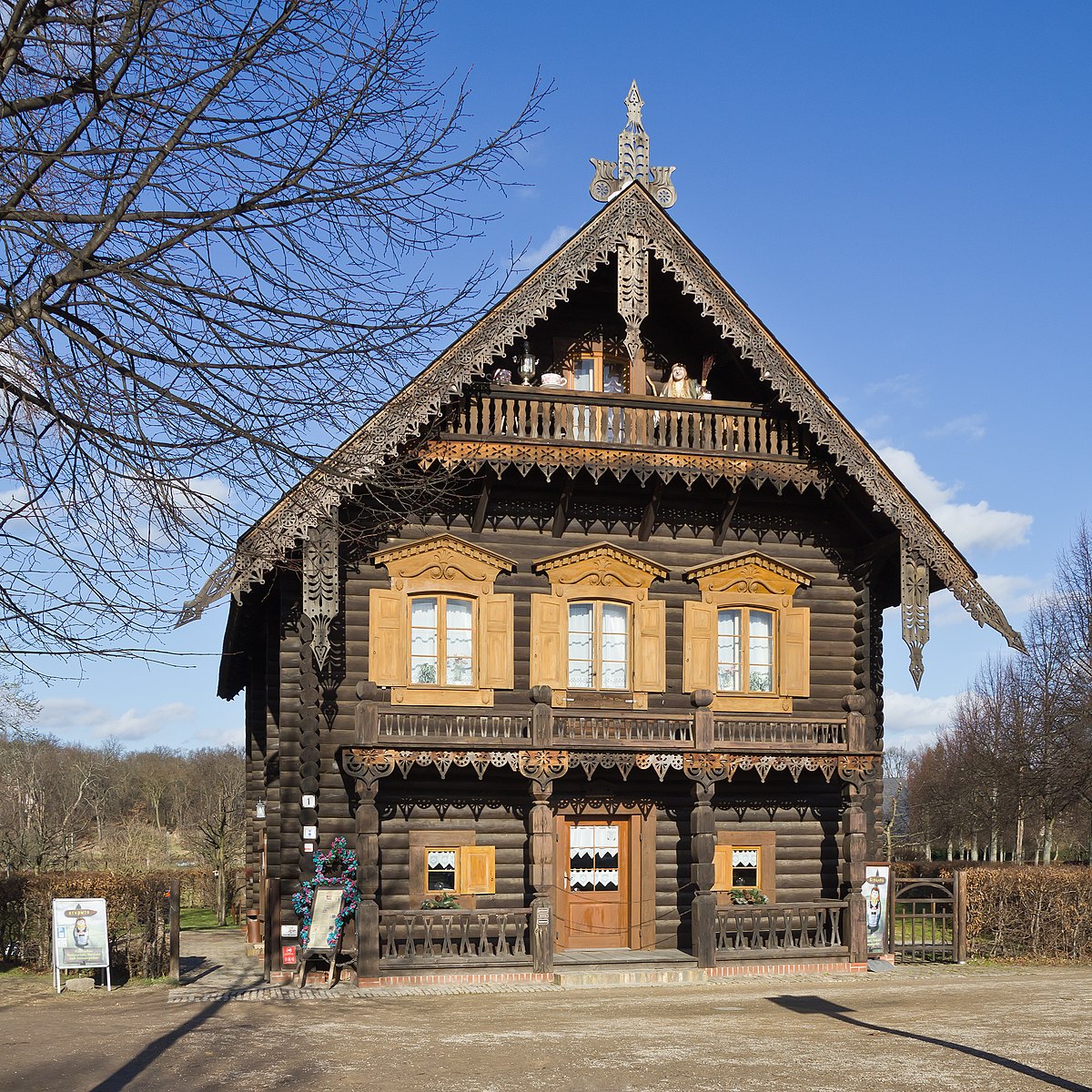
Located in the picturesque city of Potsdam, Germany, Alexandrowka is an intriguing architectural ensemble that reflects a unique blend of Russian and …

Alte Burg Penzlin
📍 Brandenburg, Germany
Alte Burg Penzlin, a captivating castle located in the quaint town of Penzlin, Germany, serves as a remarkable example of medieval architecture and …

Alte Dorfkirche Röxe
📍 Brandenburg, Germany
The Alte Dorfkirche Röxe stands as a poignant symbol of architectural and cultural history in the Stendal region of Germany. This church building, …
More Museums

Abbey and Altenmünster of Lorsch
📍 Baden-Württemberg, Germany
The Abbey and Altenmünster of Lorsch is a UNESCO World Heritage site located in the charming town of Lorsch, Germany. This significant cultural …
Abenteuermuseum
📍 Rhineland-Palatinate, Germany
The Abenteuermuseum, located in Germany, invites visitors to explore the wonders of adventure through its unique exhibits and engaging experiences. …

Abwasser- und Sielmuseum
📍 Hamburg, Germany
The Abwasser- und Sielmuseum, located in the heart of Hamburg-Mitte, offers a unique glimpse into the city’s historical infrastructure concerning …

Academy of Arts, Berlin
📍 Berlin, Germany
The Academy of Arts in Berlin is not just a museum; it is a prominent national institution dedicated to the advancement of the arts in Germany. …

Ackerbürgermuseum Haus Leck
📍 Hesse, Germany
Ackerbürgermuseum Haus Leck is a culturally significant museum located in Germany’s Grebenstein region, dedicated to preserving and showcasing the …

Active Museum Spiegelgasse
📍 Hesse, Germany
Active Museum Spiegelgasse is a vital institution dedicated to preserving and exploring the German-Jewish history of Wiesbaden, Germany. Located in …