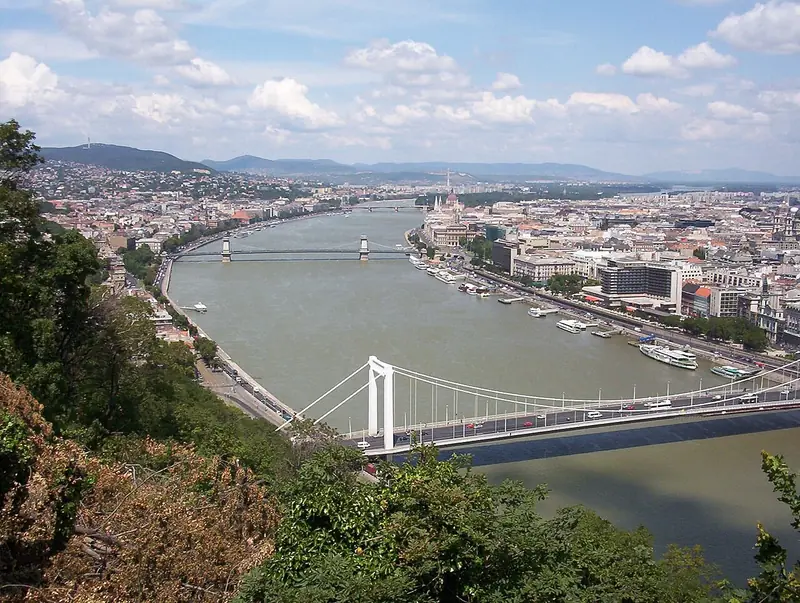
Overview
The Danube River, flowing through Germany and beyond, stands as the second-longest river in Europe, weaving a path that connects diverse cultures and landscapes. Its journey begins in the Black Forest and meanders through ten countries, eventually emptying into the Black Sea. This major river is not only a vital waterway for commerce and transportation but also a significant natural site that has shaped the history, culture, and environment of the regions it traverses. The Danube has played a pivotal role throughout history, serving as a boundary, a trade route, and a source of inspiration for countless artists and writers.
Visitors to the Danube can anticipate a unique blend of natural beauty and cultural heritage. The river is lined with picturesque towns, historic sites, and lush landscapes, making it an ideal destination for those seeking both adventure and reflection. Whether you’re cruising along its banks or exploring the vibrant cities that dot its shores, the Danube promises a captivating experience for every traveler.
History and Significance
The Danube has been a crucial artery of civilization since ancient times. It has served as a vital trade route for various cultures, connecting regions and facilitating the exchange of goods and ideas. Historically, the river has marked borders and influenced political dynamics in Europe. It was the site of significant battles and treaties that shaped the continent’s history.
The river’s importance is not solely economic; it has also been a source of inspiration for countless artists, writers, and musicians. From the classical compositions inspired by its melodies to the works of literature that draw upon its imagery, the Danube has influenced the creative landscape of Europe. Its banks have witnessed the rise and fall of empires, making it a living testament to the ebb and flow of human history.
In more recent times, the Danube continues to be a focal point for cultural exchange. Its banks are home to several UNESCO World Heritage Sites, which highlight the river’s historical and cultural significance. As a natural site, the river supports a diverse ecosystem, providing habitats for various species of plants and animals. This ecological importance underscores the need for sustainable management and preservation efforts.
The Danube remains a symbol of unity and diversity, representing the interconnectedness of the countries it passes through. As travelers explore its banks, they engage with a rich cultural heritage that reflects the stories of those who have lived alongside this formidable river.
Architecture and Features
The Danube River is characterized by its serene flow and dynamic landscapes, which vary dramatically along its length. Its banks are dotted with vibrant cities, charming villages, and notable architectural landmarks that tell the story of the regions it traverses.
One of the defining features of the Danube is its expansive width, which allows for various marine activities. The river’s water quality and surrounding ecosystems contribute to its importance as a natural site. Along its course, visitors can find significant monuments and historical buildings that reflect the architectural styles of different periods and cultures.
Major cities along the Danube, such as Munich and Vienna, showcase a blend of Gothic, Baroque, and modern architecture. Each city offers unique structures that embody the rich history of the river. For example, the iconic structures in the heart of Vienna, such as the Vienna State Opera and the Hofburg Palace, are easily accessible and provide opportunities to delve into the cultural significance of the area.
Natural features surrounding the river include picturesque vineyards, rolling hills, and lush forests, creating a stunning backdrop for exploration. Visitors can find designated areas for outdoor activities, such as hiking and cycling, which allow for an immersive experience in the natural beauty of the Danube region.
Visiting Information
Traveling to the Danube is an exciting endeavor, with various transportation options available depending on your starting point. Major cities like Munich and Vienna serve as convenient gateways to the river, offering train and bus connections to smaller towns along the Danube. Boat tours are also popular, providing a unique perspective from the water and allowing visitors to appreciate the scenic beauty of the river.
While planning your visit, it’s essential to check the official website for current information regarding hours and prices for various attractions and activities along the river. Depending on your interests and pace, a visit to the Danube can range from a day trip to a longer exploration spanning several days. Many travelers find that dedicating a few days allows for a more immersive experience, with time to explore both the natural landscapes and cultural heritage sites.
The best times to visit the Danube are during the spring and fall months when the weather is mild, and the natural scenery is at its most vibrant. Summer can be crowded, particularly in popular tourist areas, while winter brings a quiet charm, especially for those interested in winter sports or festive holiday markets.
Nearby Attractions
While exploring the Danube, there are several nearby attractions worth visiting:
Regensburg: A UNESCO World Heritage Site, Regensburg features well-preserved medieval architecture and is renowned for its historic stone bridge and cathedral.
Melk Abbey: This impressive Benedictine monastery sits atop a hill overlooking the Danube, offering stunning views and a rich history.
Dürnstein: Known for its picturesque vineyards and the ruins of Dürnstein Castle, this charming town is a perfect stop for wine enthusiasts.
Wachau Valley: A UNESCO World Heritage landscape, the Wachau Valley is famous for its vineyards, quaint villages, and scenic riverside views.
Vienna: The capital city of Austria is rich in cultural heritage, with numerous museums, palaces, and concert halls that celebrate the arts.
Insider Tips
For those looking to capture the beauty of the Danube through photography, consider visiting during the golden hours of sunrise or sunset when the light casts a warm glow over the landscapes. Popular vantage points such as bridges and hilltops provide excellent opportunities for stunning shots.
To avoid the crowds, particularly during peak tourist season, try visiting less popular towns along the river or planning your visit on weekdays. Early mornings are typically quieter, allowing for a more serene experience along the riverbanks.
Practical Information
When preparing for your visit to the Danube, it’s advisable to bring comfortable walking shoes and weather-appropriate clothing, as activities may include hiking or cycling along the river. A reusable water bottle is also recommended to stay hydrated during your explorations.
Seasonal considerations are essential; spring brings blooming flowers and mild weather, while autumn showcases vibrant foliage. Summer can be hot, so sun protection and lightweight clothing are advisable, while winter may require warmer attire, especially if you plan to engage in outdoor activities.
Frequently Asked Questions
How long should I spend visiting?
The duration of your visit can vary based on your interests. A day trip may suffice for a quick overview, but dedicating several days allows for a deeper exploration of the towns and attractions along the river.
Is photography allowed?
Yes, photography is generally permitted along the Danube, but be mindful of private properties and respect any posted signs regarding photography restrictions.
Are there guided tours?
Many guided tours are available, offering insights into the history and culture of the Danube and its surrounding areas. Check local listings for options that suit your interests.
What’s the best time to visit?
The best times to visit the Danube are during spring and fall when the weather is pleasant and the landscapes are particularly beautiful.
Is it wheelchair accessible?
Accessibility varies by location along the river. Major cities typically offer accessible options, but it’s best to check specific sites for detailed information.
Can I buy tickets online?
Many attractions along the Danube offer online ticket purchasing options. It’s advisable to check the official websites for current information.
Are there restrooms and cafes?
Facilities such as restrooms and cafes can be found in larger towns and cities along the river. However, availability may be limited in more rural areas.
What should I wear?
Wear comfortable clothing and shoes suitable for walking. Layering is recommended to accommodate changing weather conditions, especially in spring and fall.



