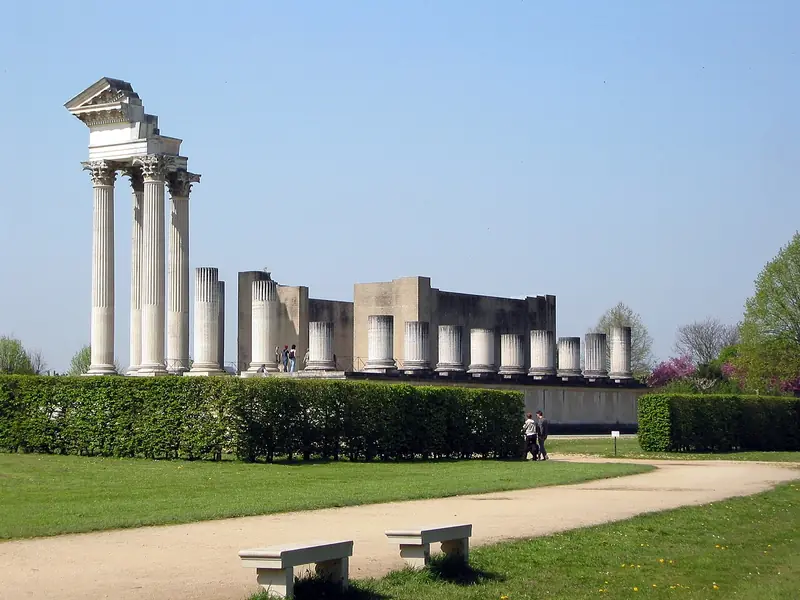
Overview
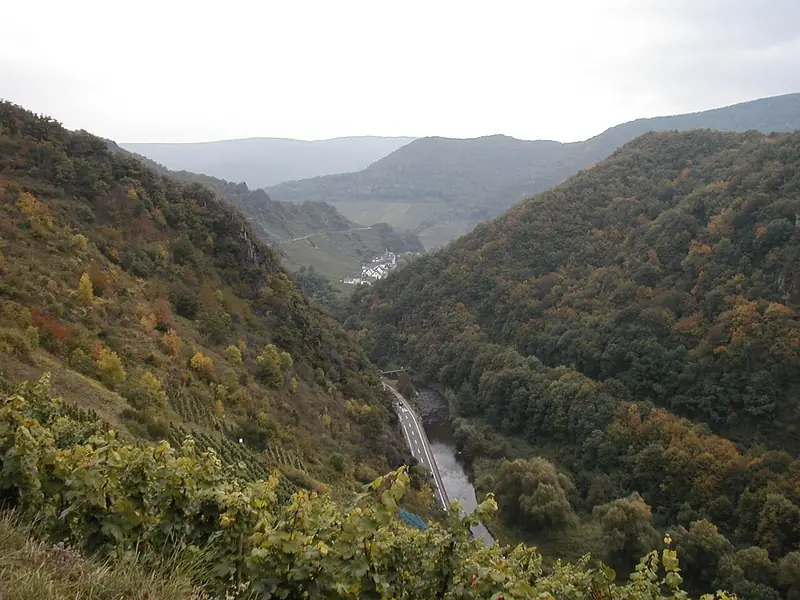
Colonia Ulpia Traiana, an ancient Roman city, offers a fascinating glimpse into the life and architecture of the Roman Empire. Situated in present-day Germany, this archaeological site reveals the remnants of a once-thriving urban center. Imagine strolling through streets lined with grand buildings, where echoes of commerce and daily life still resonate in the air. The landscape surrounding the site showcases the remnants of a civilization that flourished centuries ago, inviting visitors to explore its historical layers.
This site is significant not only for its archaeological value but also for its role in understanding Roman urban planning and culture. As you wander through the ruins, you’ll discover how this settlement contributed to the broader narrative of Roman expansion and influence across Europe. The carefully laid-out streets and remnants of public buildings hint at a society that valued order, community, and architectural grandeur. Your visit will transport you into the heart of Roman life, revealing the intricate details that characterized this historical gem.
History and Significance
Colonia Ulpia Traiana was established as part of the Roman Empire’s ambitious expansion efforts. The city served as a critical hub for trade and governance, strategically located to facilitate the movement of goods and people. Over the centuries, it evolved into a vibrant urban center, reflecting the complexities of Roman society. The layout of the city, with its grid-like streets and public spaces, exemplifies Roman urban planning principles, which prioritized accessibility and functionality.
As you explore the site, you’ll notice the remnants of public buildings that once hosted community gatherings, administrative functions, and religious ceremonies. These structures were pivotal in shaping the social fabric of the city, allowing citizens to engage in civic life. The architectural elements you encounter reveal the artistic and engineering prowess of the Romans, who employed advanced techniques to construct durable and aesthetically pleasing buildings.
The importance of Colonia Ulpia Traiana extends beyond its physical remnants. It serves as a testament to the cultural exchange that occurred within the Roman Empire, as it attracted people from various regions. The site reflects a blend of traditions, showcasing how Roman culture influenced local customs and practices. This dynamic interaction among diverse groups contributed to the rich tapestry of life in ancient times.
Architecture and Features
The architectural layout of Colonia Ulpia Traiana embodies the principles of Roman design, characterized by symmetry and order. Visitors will find a well-preserved grid system of streets, which facilitated movement throughout the city. Public buildings, including forums and temples, are key features that illustrate the city’s significance as a social and administrative center.
As you walk through the archaeological site, take note of the remnants of monumental structures, which once towered over the landscape, symbolizing Roman authority and ambition. The robust stonework and intricate designs showcase the craftsmanship of the era. While specific architectural styles are not detailed in the available data, the general characteristics of Roman architecture—such as the use of columns, arches, and spacious interiors—are likely present.
Notable features to observe include the foundations of public baths and civic buildings that illustrate the importance of communal life in ancient Rome. These remnants not only speak to the architectural ingenuity of the time but also provide insight into the daily lives of the inhabitants. Visitors will find themselves immersed in an environment that reflects both the grandeur and practicality of Roman urban living, making for a visually and intellectually stimulating experience.
Visiting Information
Getting to Colonia Ulpia Traiana is relatively straightforward, with various transport options available in the region. Visitors can travel by car or utilize public transportation to reach the site. The archaeological site is designed to accommodate a range of visitors, and it’s advisable to check the official website for current opening hours and admission prices before planning your visit.
Expect a visitor experience that combines educational insights with the opportunity to explore the ruins at your own pace. A visit typically takes around 1-2 hours, allowing ample time to appreciate the historical significance of the area. For a more intimate experience, consider visiting in the morning when crowds are fewer, or during the spring and fall when the weather is generally pleasant.
Accessibility details are not specified, so it’s best to contact the site directly for the latest information on facilities and any accommodations that may be available for those with mobility challenges.
Nearby Attractions
While visiting Colonia Ulpia Traiana, you may want to explore nearby attractions that further enhance your understanding of the region’s historical context. Here are a few notable sites worth considering:
Roman Amphitheater: A short distance from the archaeological site, this amphitheater showcases the grandeur of Roman entertainment, where gladiators once battled and public spectacles were held.
Museum of Roman History: This museum houses artifacts and exhibitions related to the Roman presence in the area, providing valuable context for understanding the significance of Colonia Ulpia Traiana.
Historical Town Center: The nearby town center features charming architecture and local shops, offering a glimpse into contemporary life while surrounded by historical echoes.
Cultural Heritage Sites: Explore additional archaeological sites and heritage landmarks in the vicinity that illustrate the region’s rich Roman history.
These attractions complement your visit to Colonia Ulpia Traiana, allowing for a deeper appreciation of the historical landscape.
Insider Tips
For those planning a visit to Colonia Ulpia Traiana, here are some insider tips to enhance your experience:
Photography Spots: Capture stunning images of the ruins during the early morning or late afternoon when the natural light casts long shadows, highlighting the textures of the stonework.
Lesser-Known Details: Pay attention to the intricacies of the architecture, such as inscriptions and carvings that may provide insights into the city’s history and the people who lived there.
Crowd Avoidance: Plan your visit on weekdays if possible, as weekends tend to attract more visitors. Early mornings also provide a quieter atmosphere for exploration.
Local Tips: Engage with site staff or local historians if available. Their insights can enrich your understanding of the site’s significance and the broader historical context.
Practical Information
When preparing for your visit to Colonia Ulpia Traiana, keep the following practical details in mind:
What to Bring: Comfortable walking shoes are essential, as you’ll be exploring uneven terrain. Additionally, consider bringing a water bottle and sunscreen, especially if you plan to visit during warmer months.
Seasonal Considerations: Weather can vary, so check the forecast before your visit. Spring and fall generally offer the most favorable conditions for exploring outdoor archaeological sites.
Visitor Details: Check the official website for current information regarding opening hours and admission prices. It’s also wise to contact the site directly for any specific inquiries you may have.
Frequently Asked Questions
How long should I spend visiting?
A typical visit to Colonia Ulpia Traiana lasts about 1-2 hours, which allows you to explore the ruins and absorb the historical context of the site.
Is photography allowed inside?
Photography is generally permitted, but it is advisable to check for any specific restrictions before your visit.
Are there guided tours available?
While specific tour options are not detailed, many archaeological sites offer guided tours. It’s best to check the official website for any available guided experiences.
What’s the best time of day to visit?
Visiting in the morning is often recommended to avoid larger crowds and to enjoy a quieter atmosphere for exploration.
Is the site wheelchair accessible?
Accessibility details are not specified, so it’s best to contact the site directly for the latest information on facilities for visitors with mobility challenges.
Can I buy tickets online?
Visit the official website for current admission prices and to see if online ticket purchasing options are available.
Are there facilities like restrooms and cafes?
Facilities are not detailed, so it’s advisable to check with the site directly for information regarding restrooms and dining options.
What should I wear when visiting?
Comfortable clothing and sturdy shoes are recommended, as you will be walking on uneven ground and exploring outdoor areas.
With this guide, you are well-prepared to explore the archaeological wonders of Colonia Ulpia Traiana, immersing yourself in the history and architecture of this remarkable site.