Overview
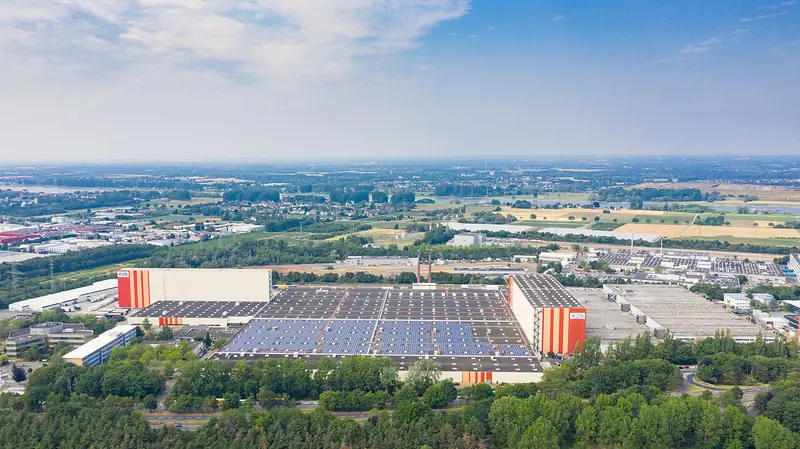
Cologne Body & Assembly is a significant industrial heritage site located in Germany’s vibrant city of Cologne. As a Ford factory, it plays an important role in the automotive industry, contributing to the city’s economic and cultural landscape. With its roots deeply intertwined with the evolution of manufacturing and assembly processes, this factory represents a pivotal chapter in the narrative of modern industrial practices. Visitors to this site can expect to explore the fascinating world of automobile production while gaining insight into the historical context that shaped the industry.
The factory’s strategic location in Cologne, a city known for its rich history and cultural offerings, makes it an intriguing destination for travelers interested in industrial heritage. The site not only reflects the technological advancements of its time but also serves as a reminder of the labor force that powered the automotive revolution. Whether you’re an automobile aficionado, a history enthusiast, or simply curious about industrial development, Cologne Body & Assembly promises an enlightening experience that underscores the intersection of engineering and community.
History and Significance
The history of Cologne Body & Assembly is intrinsically linked to the Ford Motor Company, an entity that revolutionized automobile production with its innovative assembly line methods. The factory in Cologne has been a key player in the automotive landscape since its establishment, reflecting the broader trends in manufacturing and economic development throughout the 20th century. The establishment of such a facility marked a significant shift in industrial practices, introducing efficiency and scalability to car production, which ultimately made automobiles more accessible to the general public.
The cultural importance of this site extends beyond its function as a factory. It encompasses the stories of the workers who have contributed to its operations, shaping the local workforce and community. As one of the largest employers in the region, the factory has played a vital role in the socio-economic development of Cologne, influencing not only the local economy but also the demographics and cultural fabric of the area.
Cologne Body & Assembly also stands as a representative of the economic changes that Germany experienced post-World War II. The factory’s operations were integral to the country’s recovery and industrial resurgence, ultimately contributing to its status as a leading automotive manufacturer in Europe. This site is not merely a factory; it is a beacon of innovation, labor, and the development of modern industrial practices, making it a place of historical significance.
Architecture and Features
The architecture of Cologne Body & Assembly reflects the utilitarian design principles characteristic of industrial buildings during the 20th century. The factory is structured to accommodate large-scale production, with expansive floor plans that facilitate the assembly line process. The design prioritizes functionality, ensuring that the flow of materials and labor is efficient and streamlined.
One of the notable features of the factory is its assembly line, which is often highlighted as a marvel of engineering. This method of production allows for the systematic assembly of vehicles, showcasing the integration of technology and human labor. The factory’s layout is designed to support the dynamic nature of automobile manufacturing, with various stations dedicated to different stages of vehicle assembly.
While the factory may not have the ornate details found in traditional architecture, its industrial aesthetic tells a story of innovation and progress. The exterior walls are often marked by large glass windows that allow natural light to flood the workspaces, creating a vibrant and active environment. As you explore the factory, you will encounter the machinery and tools that have become synonymous with the automotive industry, offering a glimpse into the mechanics behind car production.
Visiting Information
When planning a visit to Cologne Body & Assembly, it’s important to consider transportation options. The factory is accessible via public transport, with various bus and tram lines serving the area. Additionally, visitors can reach the site by car, with parking facilities available nearby.
Check the official website for current information regarding the hours of operation and ticket prices. A typical visit to the factory may take several hours, allowing ample time to explore the various aspects of the site and its exhibits. It is advisable to visit during weekdays, as weekends may attract larger crowds.
When visiting, you can expect to engage with interactive displays that highlight the history and significance of the factory. Guided tours may be available, providing deeper insights into the processes and technologies used in automobile production. Be prepared to witness the factory’s operations firsthand, as there may be opportunities to see vehicles being assembled during your visit.
Nearby Attractions
Cologne is home to a variety of attractions that complement a visit to Cologne Body & Assembly. Here are a few noteworthy sites to consider:
Cologne Cathedral (Kölner Dom): A UNESCO World Heritage site, this iconic Gothic cathedral is a short distance from the factory and is notable for its stunning architecture and historical significance.
Museum Ludwig: Renowned for its collection of modern art, this museum features works by major artists of the 20th century, including Picasso and Warhol.
Rheinauhafen: An urban redevelopment area along the Rhine River, offering a mix of contemporary architecture, dining, and recreational spaces.
Cologne Chocolate Museum: For a sweet diversion, this museum explores the history and production of chocolate, with interactive exhibits and tastings.
Hohenzollern Bridge: Famous for its love locks, this bridge provides picturesque views of the Rhine and the city, making it a popular spot for photographs.
Insider Tips
For the best photographic opportunities, consider visiting during the early morning or late afternoon when natural light enhances the factory’s features. If you prefer a quieter experience, weekdays are generally less crowded compared to weekends.
Be sure to check if guided tours are available during your visit, as these often provide exclusive insights and access to areas that may not be open to general visitors. Engaging with knowledgeable guides can enrich your understanding of the factory’s operations and history.
Practical Information
When visiting Cologne Body & Assembly, it’s advisable to wear comfortable clothing and sturdy shoes, as you may be walking or standing for extended periods. Depending on the season, consider bringing an umbrella or light jacket, as weather conditions can vary in Cologne.
Additionally, check the official website for any seasonal events or special exhibitions that may enhance your visit. It’s also wise to carry some water and snacks, as you may spend several hours exploring the factory and nearby attractions.
Frequently Asked Questions
How long should I spend visiting?
A visit typically requires a few hours to fully explore the factory and its exhibits, but plan for additional time if you wish to explore nearby attractions.
Is photography allowed?
Check the official website for specific photography policies, as some areas may have restrictions.
Are there guided tours?
Guided tours may be available, offering deeper insights into the factory’s history and operations. Check the official website for current offerings.
What’s the best time to visit?
Weekdays are generally less crowded than weekends, making them ideal for a more relaxed experience. Early mornings or late afternoons provide the best lighting for photographs.
Is it wheelchair accessible?
Confirm accessibility options on the official website to ensure a comfortable visit for those with mobility challenges.
Can I buy tickets online?
Ticket purchasing options may vary; check the official website for information on online purchases.
Are there restrooms and cafes?
Facilities may be available on-site; check the official website for details regarding amenities.
What should I wear?
Dress comfortably and wear sturdy shoes, as you may be walking or standing for extended periods. Consider seasonal weather when selecting your attire.



