
Classical Weimar
Overview
Classical Weimar is an architectural ensemble of immense cultural significance located in the heart of Weimar, Germany. This UNESCO World Heritage Site encapsulates the essence of the late 18th and early 19th centuries, a period marked by the flourishing of German literature, philosophy, and the arts. Weimar was not only the home of influential figures such as Johann Wolfgang von Goethe and Friedrich Schiller but also a vibrant hub for intellectual discourse, which left an indelible mark on European culture.
The site comprises several key buildings and parks that reflect the harmonious relationship between nature and architecture, showcasing the neoclassical style that characterizes the era. The rich history of Classical Weimar is deeply intertwined with the lives and works of its notable residents, making it a vital destination for anyone interested in the cultural heritage of Germany. Visitors to this site can expect a profound experience filled with historical insights and an appreciation of the artistic achievements that emerged from this remarkable period.
History and Significance
Classical Weimar emerged as a center of cultural and intellectual life during the late 18th century, largely due to the influence of prominent figures like Goethe and Schiller. The city became a gathering point for artists, writers, and philosophers who sought to engage in meaningful dialogue and exchange ideas, contributing to the development of what is now recognized as the Weimar Classicism movement.
The architectural ensemble itself reflects the ideals of this cultural renaissance. The buildings within Classical Weimar, such as the Goethe National Museum and Schiller’s House, served not only as residences but also as spaces for artistic creation and intellectual engagement. These structures are significant not merely for their architectural beauty but for the cultural dialogues that occurred within their walls, shaping the course of German literature and thought.
The gardens and parks surrounding these buildings also play an essential role in the site’s significance. They were designed to complement the architectural elements while providing a serene environment for reflection and inspiration. The interplay between the landscaped gardens and the neoclassical buildings exemplifies the Enlightenment ideals of harmony and balance, making Classical Weimar a quintessential representation of this transformative period in European history.
Architecture and Features
The architectural ensemble of Classical Weimar is distinguished by its neoclassical design and the cohesive integration of buildings and gardens. Each structure within the site tells a unique story while contributing to the overall aesthetic and cultural narrative.
Among the notable buildings, the Goethe National Museum stands out with its elegant façade and well-preserved interiors, providing a glimpse into the life and work of one of Germany’s most celebrated literary figures. The museum houses an extensive collection of Goethe’s manuscripts, letters, and personal belongings, offering visitors an intimate look at his creative process.
Another significant structure is Schiller’s House, where the playwright and poet Friedrich Schiller lived during some of his most productive years. The house has been restored to reflect the period in which Schiller resided there, allowing visitors to experience the environment that inspired much of his work.
The surrounding gardens, including the Park an der Ilm, complement the architectural elements and provide a tranquil setting for visitors. These landscaped areas are designed in a manner that encourages leisurely strolls and reflection, perfectly embodying the Enlightenment’s appreciation for nature and beauty.
The cohesive design and thoughtful arrangement of these buildings and gardens are a testament to the vision of their creators, who sought to create a harmonious blend of art and nature that continues to resonate with visitors today.
Visiting Information
Visiting Classical Weimar requires careful planning to ensure an enriching experience. The site is accessible by public transport, with several options available including buses and trains that connect to Weimar. Check the official website for current information on transport options and accessibility.
When visiting, allocate a few hours to fully appreciate the various buildings and gardens. Each location offers unique insights into the lives of Goethe and Schiller, as well as the broader cultural context of the period. Be sure to check the official website for current information regarding opening hours and ticket prices, as these can vary seasonally.
The best times to visit are during the spring and early autumn, when the gardens are in bloom and the weather is typically pleasant. However, weekends may attract larger crowds, so consider visiting on weekdays for a more tranquil experience.
Nearby Attractions
While Classical Weimar is a highlight of the region, several nearby attractions enhance the overall experience:
Bauhaus Museum Weimar: Dedicated to the influential Bauhaus movement, this museum offers insights into modernist design and architecture, showcasing works from key figures in the movement.
Palais Schardt: A beautiful example of baroque architecture, this Palais is known for its exquisite gardens and serves as a cultural venue for various events.
Belvedere Palace: Located just outside Weimar, this stunning palace features impressive gardens and a collection of art, providing a delightful escape into the grandeur of the past.
Goethe’s Garden House: A short walk from the city center, this charming garden house was a retreat for Goethe and is surrounded by lush greenery, making it a perfect spot for leisurely exploration.
Cranach House: This historic building, once home to the famous painter Lucas Cranach the Elder, showcases a collection of his works and offers insight into Renaissance art.
Insider Tips
For a memorable visit to Classical Weimar, consider the following insider tips:
Photography: The site offers numerous picturesque spots, particularly in the gardens. Early mornings or late afternoons provide the best natural light for photography, and visiting during off-peak hours can help you avoid crowds.
Crowd Avoidance: To experience the site more peacefully, plan your visit on weekdays, especially during the shoulder seasons of spring and autumn. This can enhance your enjoyment of the serene gardens and historic buildings.
Practical Information
When preparing for your visit to Classical Weimar, keep these practical considerations in mind:
What to Bring: Comfortable walking shoes are essential, as you will likely be exploring the gardens and various buildings on foot. A camera is also recommended for capturing the stunning architecture and natural beauty.
Seasonal Considerations: Check the weather forecast before your visit, as conditions can vary greatly. Dressing in layers is advisable, especially during transitional seasons, to ensure comfort throughout the day.
Frequently Asked Questions
How long should I spend visiting?
Most visitors find that spending around three to four hours allows ample time to explore the key buildings and gardens.
Is photography allowed?
Yes, photography is generally permitted in most areas of Classical Weimar, but check for specific restrictions in certain buildings.
Are there guided tours?
Guided tours may be available; check the official website for current offerings and booking options.
What’s the best time to visit?
Spring and early autumn are ideal for visiting, as the gardens are particularly beautiful during these seasons.
Is it wheelchair accessible?
Many areas within Classical Weimar are accessible, but it’s best to check the official website for specific accessibility information.
Can I buy tickets online?
Typically, tickets can be purchased online. Check the official website for the most current ticketing options and prices.
Are there restrooms and cafes?
Facilities are available on-site, but it is advisable to check the official website for specific locations and availability.
What should I wear?
Comfortable clothing and shoes are recommended, as you will be walking and possibly exploring outdoor areas. Dressing in layers can help accommodate changing weather conditions.
More in Saxony-Anhalt

Ägidienkurie (Naumburg)
📍 Saxony-Anhalt, Germany
The Ägidienkurie, a quaint chapel located in the heart of Naumburg, Germany, offers visitors a glimpse into the rich ecclesiastical heritage of the …
Al-Kholafa´a Moschee
📍 Saxony-Anhalt, Germany
The Al-Kholafa´a Moschee, located in Weimar, Germany, is a significant religious site that embodies the cultural diversity of this historic city. As a …

Alte Oper
📍 Saxony-Anhalt, Germany
The Alte Oper, a distinguished theatre building in Erfurt, Germany, serves as a vibrant hub for cultural events and artistic performances. This …

Altes Schloss Dornburg
📍 Saxony-Anhalt, Germany
Altes Schloss Dornburg, a magnificent palace located in the charming region of Dornburg-Camburg, Germany, is a site that draws visitors with its …

Anatomieturm Jena
📍 Saxony-Anhalt, Germany
The Anatomieturm Jena, a historic tower located in the city of Jena, Germany, is an intriguing remnant of the region’s architectural heritage. This …

Andreaskirche (Erfurt)
📍 Saxony-Anhalt, Germany
The Andreaskirche, an emblematic church building located in the heart of Erfurt, Germany, stands as a significant architectural and cultural landmark. …
More Architectural Ensembles

144., 176. und 184. Gemeindeschule
📍 Berlin, Germany
The 144., 176. und 184. Gemeindeschule, an architectural ensemble located in the vibrant city of Berlin, stands as a noteworthy example of educational …

Adelheidstraße 3–7, 9–12, 12a, 14, 15, 22–31, Amelungstraße 1, Friedrich-Ebert-Platz
📍 Lower Saxony, Germany
In the heart of Quedlinburg, Germany, lies a captivating architectural ensemble that reflects the town’s historical significance and cultural …

Aegidiimarkt
📍 Lower Saxony, Germany
Aegidiimarkt is a captivating architectural ensemble located in the heart of Münster, Germany. This vibrant square not only serves as a hub for local …
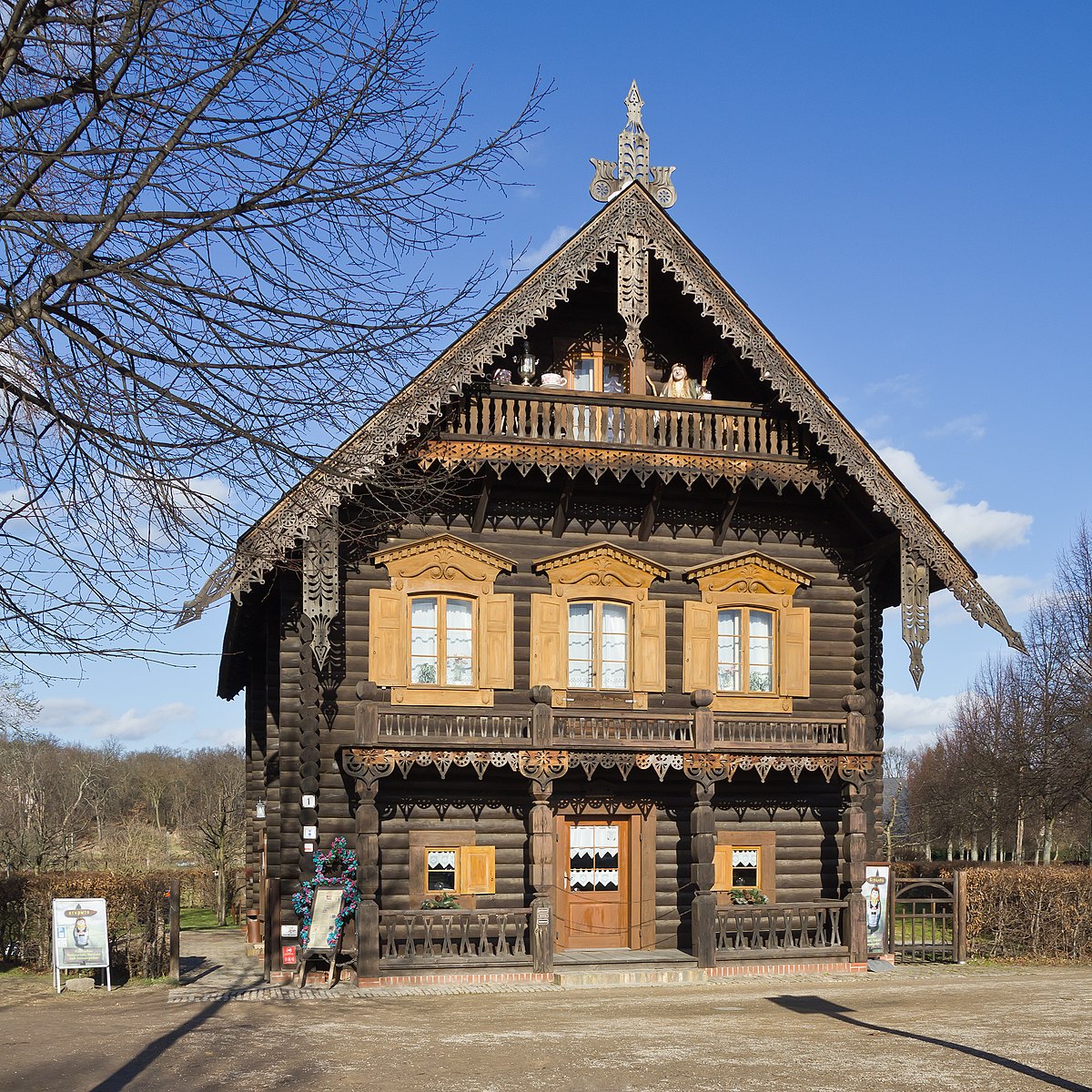
Alexandrowka
📍 Brandenburg, Germany
Located in the picturesque city of Potsdam, Germany, Alexandrowka is an intriguing architectural ensemble that reflects a unique blend of Russian and …

Alhauser Hammer
📍 North Rhine-Westphalia, Germany
Alhauser Hammer is a remarkable architectural ensemble located in Ennepetal, Germany, known for its historical significance as a water-driven hammer …

Alsdorfer Ölmühle
📍 North Rhine-Westphalia, Germany
The Alsdorfer Ölmühle, an architectural ensemble located in the heart of Alsdorf, Germany, is a remarkable example of a traditional watermill that …