
City Museum Simeonstift, Trier
Overview
In the heart of Trier, Germany’s oldest city, lies the City Museum Simeonstift, an art museum that invites visitors to explore the cultural heritage of the region. This museum is not only a repository of artistic expressions but also a significant site that encapsulates the historical narratives of Trier. Set against the backdrop of ancient Roman architecture and medieval structures, Simeonstift offers a unique perspective on the artistic evolution within this storied city. As you wander through its halls, you will encounter a diverse collection that reflects both local artistry and broader European influences, making it a must-visit for art enthusiasts and history buffs alike.
History and Significance
The history of the City Museum Simeonstift is interwoven with the rich tapestry of Trier itself. Established in a former monastery, the museum is situated in a building that has its origins steeped in religious and cultural significance. Originally the site of St. Simeon’s Monastery, it has transitioned over the years to become a center for art and cultural exhibitions. This evolution mirrors the broader changes in Trier, which has long been a crossroads of various civilizations, from the Romans to the medieval Holy Roman Empire.
The museum serves not only as a space for art but as a cultural hub that promotes local heritage and education. It plays a crucial role in preserving the artistic legacy of the region, showcasing works that span several centuries. The collections include paintings, sculptures, and decorative arts, reflecting the diverse artistic currents that have influenced Trier over the years. The museum is particularly significant for its commitment to highlighting local artists and fostering a connection between the community and its artistic heritage.
Additionally, the City Museum Simeonstift is a vital resource for researchers and students, offering insights into the artistic trends that have shaped not just Trier but the broader narrative of German art. By facilitating exhibitions and educational programs, it continues to engage with both the local community and international visitors, making it a cornerstone of Trier’s cultural landscape.
Architecture and Features
The architectural design of the City Museum Simeonstift is reflective of its historical roots, combining elements of religious architecture with modern museum design. The building itself retains features from its monastic past, with stone facades and intricate detailing that speak to the craftsmanship of earlier centuries. Visitors are greeted by an ambiance that balances the solemnity of its history with the vibrancy of contemporary art.
Inside, the museum presents a thoughtfully curated layout that guides visitors through its galleries. The exhibition spaces are designed to enhance the viewing experience, with natural light illuminating the art and creating a welcoming atmosphere. Notable features include high ceilings adorned with artistic motifs and well-organized collections that allow for an immersive exploration of the various art forms displayed.
The museum also often hosts temporary exhibitions that showcase contemporary artists alongside its permanent collections, providing a dynamic experience for repeat visitors. This blend of historical and contemporary art creates a dialogue that is both enriching and engaging, ensuring that the museum remains relevant in the ever-evolving art landscape.
Visiting Information
Visiting the City Museum Simeonstift offers a rewarding experience for those interested in art and history. It is conveniently located in the center of Trier, making it easily accessible via various modes of transportation. Visitors can reach the museum by public transport, with numerous bus and tram lines serving the area. Parking facilities are also available nearby, though it is advisable to check local regulations and availability.
As for the duration of your visit, plan to spend at least a couple of hours exploring the galleries and exhibitions. This allows ample time to appreciate the diverse collections and soak in the historical context of the artworks. The museum can become busy during peak tourist seasons, so visiting during weekday mornings or late afternoons can enhance your experience by avoiding larger crowds.
To ensure a smooth visit, check the official website for current information regarding opening hours and ticket prices, as these can vary. Be prepared for an enriching experience that combines visual delight with an opportunity to learn about the artistic heritage of Trier.
Nearby Attractions
The City Museum Simeonstift is ideally positioned among several other notable attractions in Trier. Here are a few sites you might consider visiting while in the area:
Trier Cathedral: Just a short walk away, this stunning cathedral is a UNESCO World Heritage site and features impressive architecture and historical significance.
Porta Nigra: One of the most iconic landmarks of Trier, this ancient Roman city gate dates back to the 2nd century and serves as a remarkable reminder of the city’s Roman past.
Roman Amphitheater: Located on the outskirts of the city, this well-preserved site is a testament to Trier’s historical importance as a Roman settlement.
Karl Marx House: This museum, dedicated to the philosopher and economist Karl Marx, who was born here, provides insights into his life and the impact of his ideas.
Palastgarten: A beautiful park area perfect for a leisurely stroll, offering a peaceful retreat amidst the historical buildings of Trier.
Insider Tips
To make the most of your visit to the City Museum Simeonstift, consider the following insider tips:
Photography: Check the museum’s policy on photography before your visit. While many museums allow photography, some may restrict it in certain areas to protect the artwork.
Avoiding Crowds: If possible, visit during weekdays or during the off-peak season to enjoy a more tranquil experience. Early mornings or late afternoons are typically less crowded.
Engagement: Take advantage of any available audio guides or printed materials to enhance your understanding of the exhibits. These resources often provide valuable context that enriches your visit.
Practical Information
When preparing for your visit to the City Museum Simeonstift, consider the following practical tips:
What to Bring: Comfortable shoes are recommended, as you will likely be walking through various galleries. A notebook or sketchbook can also be beneficial for jotting down thoughts or inspirations.
Seasonal Considerations: Depending on the time of year, be prepared for varying weather conditions. If visiting in the winter, dress warmly, as museums can sometimes be cooler. Conversely, summer visits may require lighter clothing.
Accessibility: If you have mobility concerns, it’s advisable to check the museum’s accessibility options beforehand.
Frequently Asked Questions
How long should I spend visiting?
Plan to spend at least two hours to fully appreciate the collections and exhibitions.
Is photography allowed?
Check the museum’s official policy on photography prior to your visit, as regulations may vary.
Are there guided tours?
Guided tours may be available, providing deeper insights into the collections and history of the museum.
What’s the best time to visit?
Weekdays, particularly in the mornings or late afternoons, tend to be less crowded than weekends.
Is it wheelchair accessible?
For information regarding accessibility features, it’s best to consult the official website.
Can I buy tickets online?
Check the official website for details about ticket purchases, including options for online booking.
Are there restrooms and cafes?
The museum is likely to have restrooms available, but it’s advisable to verify this on the official website. Café options may also be listed.
What should I wear?
Dress comfortably, keeping seasonal weather in mind, as you may be walking and standing for extended periods.
The City Museum Simeonstift in Trier offers a unique opportunity to delve into the artistic heritage of one of Germany’s oldest cities. Whether you are an art aficionado or simply curious about the cultural narratives that shape our world, a visit to this museum promises to be a fulfilling experience.
More in Rhineland-Palatinate
Abenteuermuseum
📍 Rhineland-Palatinate, Germany
The Abenteuermuseum, located in Germany, invites visitors to explore the wonders of adventure through its unique exhibits and engaging experiences. …
Abtei Wadgassen
📍 Rhineland-Palatinate, Germany
Abtei Wadgassen, a historical monastery located in Saarlouis, Germany, offers visitors a glimpse into the spiritual and architectural heritage of the …

Achteinhalb
📍 Rhineland-Palatinate, Germany
In the heart of Saarbrücken, Germany, Achteinhalb serves as a vibrant cultural hub for cinema enthusiasts. This movie theater not only showcases a …

Alexander Church
📍 Rhineland-Palatinate, Germany
Alexander Church, a notable church building located in Zweibrücken, Germany, offers a captivating glimpse into the region’s spiritual and …
Alt-Saarbrücken
📍 Rhineland-Palatinate, Germany
Alt-Saarbrücken, the old town of Saarbrücken, Germany, offers a glimpse into the historical fabric of the region. With its cobblestone streets and …

Altburg (Bundenbach)
📍 Rhineland-Palatinate, Germany
Altburg, situated in the picturesque region of Rhineland-Palatinate, Germany, is a fascinating castle that invites visitors to explore its storied …
More Art Museums

Aachen Cathedral Treasury
📍 North Rhine-Westphalia, Germany
Aachen Cathedral Treasury, located in the historic city of Aachen, Germany, is a remarkable art museum that houses an impressive collection of …

Abteiberg Museum
📍 North Rhine-Westphalia, Germany
In the heart of Mönchengladbach, Germany, the Abteiberg Museum stands out as a prominent destination for art enthusiasts and cultural explorers alike. …

Akademisches Kunstmuseum
📍 North Rhine-Westphalia, Germany
In the heart of Bonn, Germany, lies the Akademisches Kunstmuseum, an art museum that invites visitors to explore a diverse collection of artworks …

Albertinum
📍 Saxony, Germany
Albertinum is a prominent art museum located in the heart of Dresden, Germany, serving as a significant cultural institution in the region. …

Albrecht Dürer's House
📍 Bavaria, Germany
Albrecht Dürer’s House stands as a significant cultural landmark in Nuremberg, Germany, celebrating the life and work of one of the Renaissance’s most …
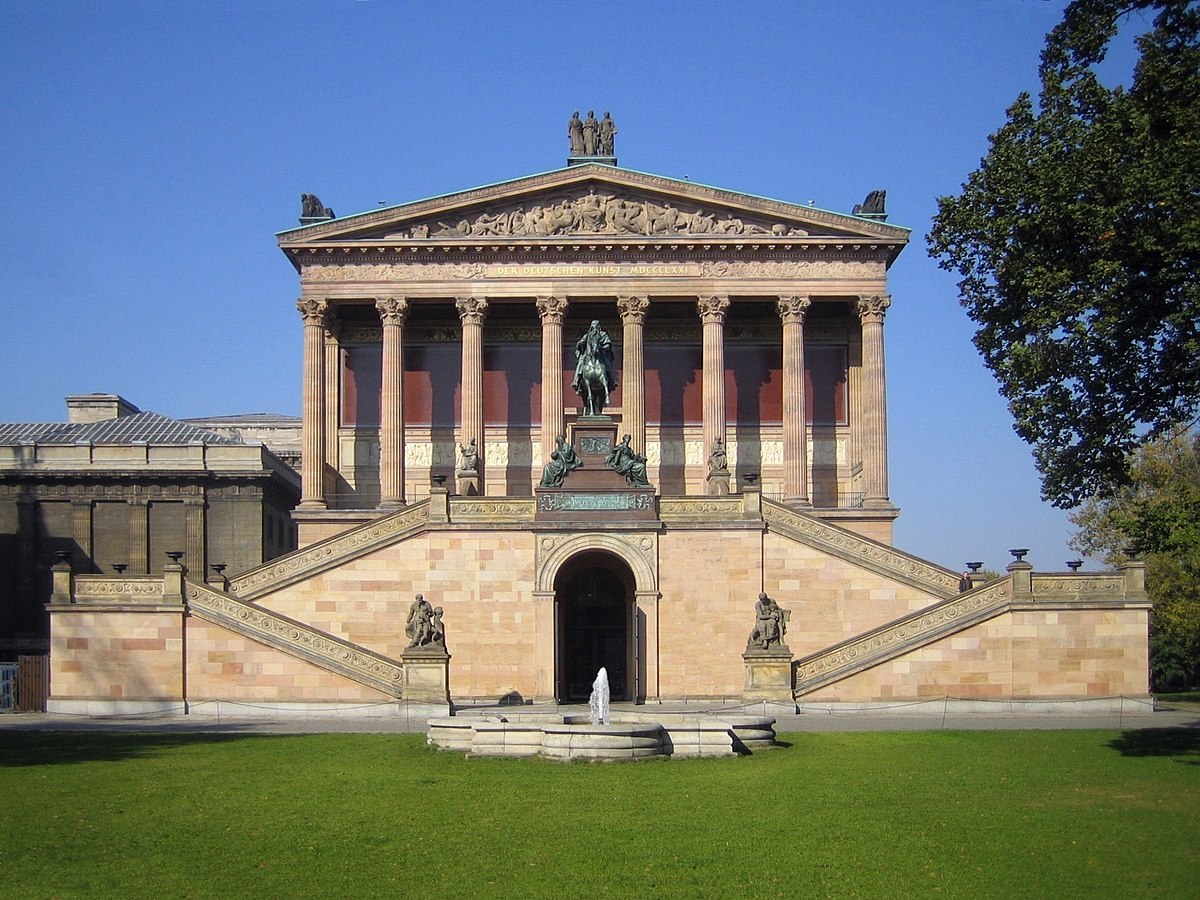
Alte Nationalgalerie
📍 Berlin, Germany
The Alte Nationalgalerie, an esteemed art museum located in Berlin’s Bezirk Mitte, is a cornerstone of cultural appreciation in Germany. This museum …