
Chinesisches Teehaus
Overview
Chinesisches Teehaus, an architectural marvel located within the English-Chinese Garden of Oranienbaum, invites visitors to experience a unique blend of cultural heritage and natural beauty. Situated in the picturesque region of Oranienbaum-Wörlitz in Germany, this tea house stands as a significant representation of 18th-century garden design, reflecting the fascination with Chinese aesthetics that swept through Europe during the era. The charming structure, set against the backdrop of lush gardens and serene waterways, offers a tranquil escape for those seeking both peace and a glimpse into the cultural crosscurrents of the past.
As you explore the tea house, you are drawn into a world where East meets West, a harmonious fusion that speaks to the historical exchanges that shaped cultural identities. Visitors can immerse themselves in the serene environment, appreciating the artistry and thoughtful design that characterize this captivating site. The Chinesisches Teehaus promises a captivating visit, whether you are a history enthusiast or simply looking to enjoy a moment of reflection amid stunning surroundings.
History and Significance
The Chinesisches Teehaus is a notable example of the architectural movements that emerged in the 18th century, particularly the interest in Chinese culture that swept through Europe. This period marked a time when many European aristocrats were fascinated by the exoticism of the East, leading to the incorporation of Asian motifs in their gardens and estates. The tea house reflects this trend, standing as a physical embodiment of the cross-cultural exchanges that defined the era.
Oranienbaum, where the tea house is situated, was developed under the influence of Prince Franz von Anhalt-Dessau, who was instrumental in creating this garden landscape. The English-Chinese Garden itself was designed to serve as a place of leisure and contemplation, allowing visitors to enjoy the beauty of nature while also experiencing the cultural nuances of Chinese design. The tea house’s role within this space is vital, serving not only as a place to relax and enjoy tea but also as a site for social gatherings and cultural exchange.
The tea house illustrates the historical significance of gardens as spaces for social interaction and cultural dialogue. Its design incorporates elements such as pagoda-like roofs and intricate woodwork, which were inspired by traditional Chinese architecture. This architectural style was not merely aesthetic; it represented a broader cultural appreciation and understanding during a time when such exchanges were becoming more common in Europe.
Architecture and Features
The Chinesisches Teehaus exemplifies the architectural style that was popular during the 18th century, characterized by a unique blend of Chinese and European elements. The structure is notable for its elegant lines and decorative features, which reflect traditional Chinese aesthetics while being adapted to fit the European context. The tea house is crafted from materials that harmonize with its natural surroundings, blending seamlessly into the landscape of the English-Chinese Garden.
One of the most striking features of the tea house is its pagoda-style roof, which adds an exotic flair to the structure. This roof design is complemented by ornate wooden elements, showcasing intricate carvings that highlight the craftsmanship of the period. The use of vibrant colors and detailed ornamentation further enhances the building’s visual appeal, drawing visitors’ eyes to its artistic details.
The interior of the tea house is equally inviting, with spaces designed to provide a cozy atmosphere for tea-drinking and socializing. The layout typically includes areas for seating, allowing guests to relax while enjoying the serene views of the surrounding gardens and reflecting on the cultural significance of the site. The overall design promotes tranquility, making it an ideal location for contemplation and leisure.
Visiting Information
Visiting the Chinesisches Teehaus is an enriching experience, combining leisure with cultural exploration. To reach the site, travelers can take advantage of local transport options, including buses and trains that service the Oranienbaum-Wörlitz area. Once you arrive, the tea house is easily accessible within the English-Chinese Garden.
Check the official website for current information regarding hours and ticket prices, as these may vary by season. A visit typically requires a few hours, allowing ample time to explore the tea house and the surrounding gardens. The best times to visit are during the spring and summer months when the gardens are in full bloom, providing a picturesque backdrop for your experience.
Expect a serene atmosphere as you wander through the garden paths leading to the tea house. The combination of natural beauty and architectural elegance invites visitors to slow down and appreciate the tranquil setting. Additionally, guests can enjoy refreshments, often including traditional teas, to enhance their experience.
Nearby Attractions
While visiting the Chinesisches Teehaus, there are several nearby attractions that warrant exploration:
Oranienbaum Palace: Just a short distance from the tea house, this Baroque palace offers a glimpse into the opulent lifestyle of the princely family that once resided here.
Wörlitz Park: A UNESCO World Heritage Site, this expansive landscape park features stunning gardens and a variety of architectural structures, making it a perfect complement to your visit.
The Wörlitzer See: This picturesque lake is ideal for leisurely walks or picnics, providing a scenic setting to relax and enjoy the natural surroundings.
The Roman Bath: An interesting architectural feature within Wörlitz Park, this structure reflects the neoclassical style and adds to the diverse cultural offerings in the area.
The Gothic House: Another notable site within the park, this building showcases the eclectic architectural influences present in the region.
Insider Tips
To make the most of your visit to the Chinesisches Teehaus, here are some insider tips:
Photography: The tea house and its surroundings provide numerous opportunities for stunning photographs. Early morning or late afternoon light enhances the beauty of the architecture and gardens. Be mindful of other visitors while capturing your shots.
Crowd Avoidance: To avoid larger crowds, consider visiting during weekdays or early in the morning. This will allow for a more peaceful experience as you explore the tea house and its gardens.
Practical Information
When preparing for your visit, consider bringing the following items:
Comfortable Footwear: The gardens are best explored on foot, so wear shoes that allow for easy walking.
Water and Snacks: While there may be options for refreshments, having your own water and snacks can enhance your experience, especially if you plan to spend a longer time exploring.
Sunscreen and Hats: If you visit during the warmer months, protect yourself from the sun while enjoying the outdoor spaces.
Seasonal considerations may affect your visit, as the gardens exhibit different charms throughout the year. Spring and summer are ideal for floral displays, while autumn offers a colorful array of leaves. Winter visits provide a unique perspective on the architecture against a serene, snowy backdrop.
Frequently Asked Questions
How long should I spend visiting?
A visit to the Chinesisches Teehaus typically takes around 2 to 4 hours, depending on your interests and how much you wish to explore the gardens.
Is photography allowed?
Yes, photography is generally allowed, but be respectful of other visitors and the environment while taking photos.
Are there guided tours?
Check the official website for information on guided tours, as these may be available at certain times and can enhance your understanding of the site.
What’s the best time to visit?
The best times to visit are during the spring and summer months when the gardens are most vibrant, but each season offers its own unique charm.
Is it wheelchair accessible?
Check the official website for current accessibility information, as facilities may vary.
Can I buy tickets online?
Ticket purchasing options can vary; check the official website for details on online ticket sales.
Are there restrooms and cafes?
Facilities such as restrooms and cafes may be available in the gardens, but it’s advisable to check the official website for specific information before your visit.
What should I wear?
Wear comfortable clothing suitable for walking. Depending on the season, consider layers and sun protection for outdoor exploration.
Visit Information
Quick Facts
- Heritage Type
- Architectural Structure
- Region
- Brandenburg
- Wikidata ID
- Q124054515
More in Brandenburg
Agnetenkloster
📍 Brandenburg, Germany
Agnetenkloster, a former monastery located in the heart of Magdeburg, Germany, invites visitors to explore its serene ambiance and historical …

Agroneum
📍 Brandenburg, Germany
Agroneum is a museum located in the serene landscape of Alt Schwerin, Germany. This establishment serves as a vibrant hub for those interested in the …

Alexander Nevsky Memorial Church
📍 Brandenburg, Germany
The Alexander Nevsky Memorial Church in Potsdam, Germany, offers visitors a unique glimpse into the city’s cultural and religious heritage. This …
Alexandrowka
📍 Brandenburg, Germany
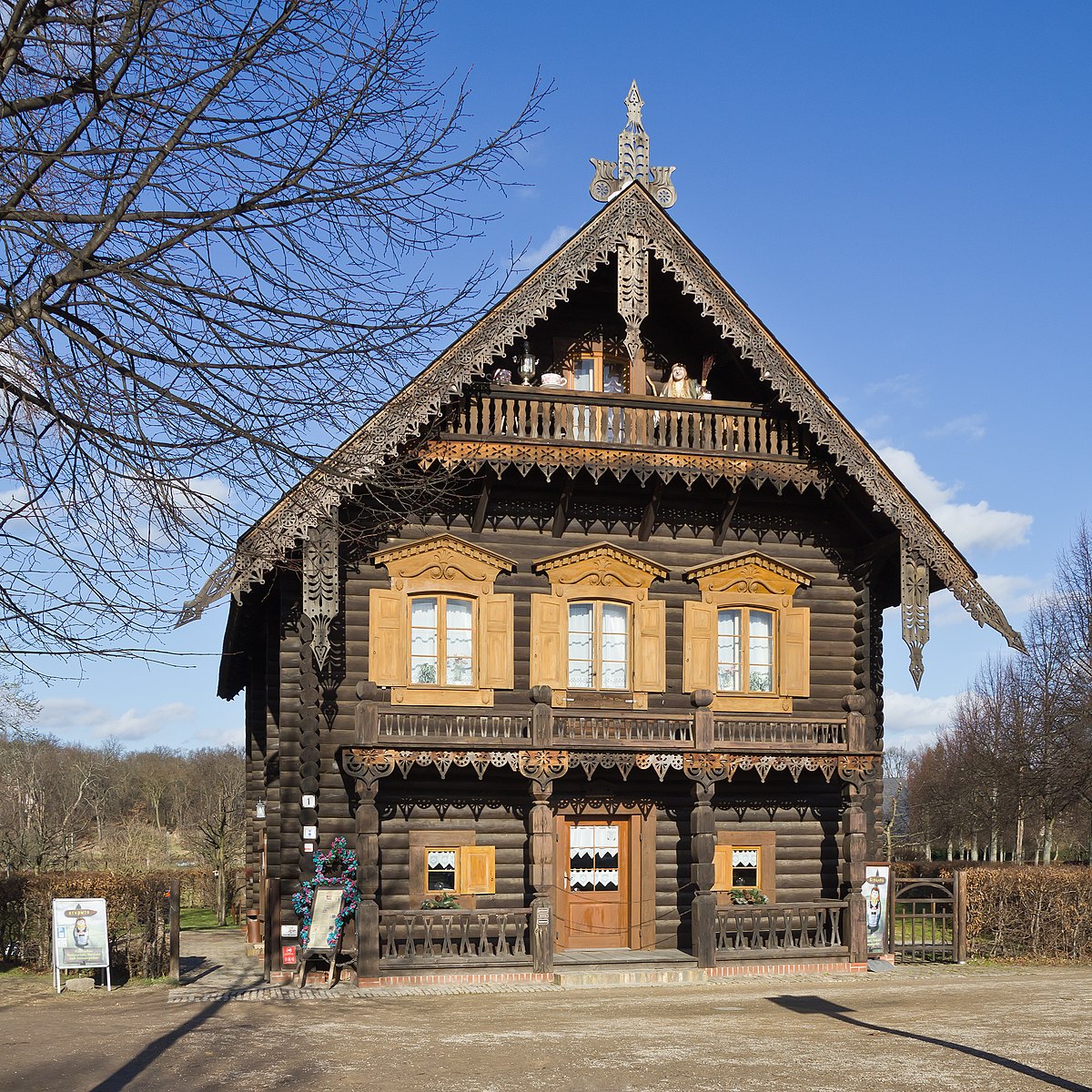
Located in the picturesque city of Potsdam, Germany, Alexandrowka is an intriguing architectural ensemble that reflects a unique blend of Russian and …

Alte Burg Penzlin
📍 Brandenburg, Germany
Alte Burg Penzlin, a captivating castle located in the quaint town of Penzlin, Germany, serves as a remarkable example of medieval architecture and …

Alte Dorfkirche Röxe
📍 Brandenburg, Germany
The Alte Dorfkirche Röxe stands as a poignant symbol of architectural and cultural history in the Stendal region of Germany. This church building, …
More Architectural Structures

Ernst Ludwig House
📍 Hesse, Germany
The Ernst Ludwig House, located in Darmstadt, Germany, is a notable architectural structure that serves as a significant cultural heritage site. This …

Weinberghaus
📍 Brandenburg, Germany
In the heart of Dessau-Roßlau, Germany, the Weinberghaus stands as a unique architectural structure that captures the essence of early 20th-century …