
Charlottenhof Palace
Overview
Charlottenhof Palace, situated in the historical heart of Potsdam, Germany, is a striking example of neoclassical architecture that invites visitors to explore its elegant design and rich history. This enchanting palace was commissioned by Frederick William IV of Prussia, known for his romantic ideals and deep appreciation for art and culture. The palace is located within the expansive Sanssouci park, a UNESCO World Heritage site recognized for its cultural landscape and architectural significance.
Visitors to Charlottenhof Palace can expect a blend of artistic beauty and historical intrigue, making it a significant stop on any exploration of German heritage. The surrounding gardens, meticulously designed and maintained, enhance the palace’s charm and provide a serene environment for leisurely strolls. As you wander through the grounds, you’ll find not just architectural splendor but also a sense of the philosophical ideals that inspired its creation.
History and Significance
Charlottenhof Palace was built as a residence for Frederick William IV, who envisioned it as a place of retreat and reflection. The palace reflects the king’s desire to create a harmonious blend of nature and architecture, embodying his Romantic ideals. The site was chosen for its picturesque setting within the Sanssouci park, allowing the palace to serve as a private sanctuary amidst the beauty of the landscape.
The construction of the palace marked a significant shift in Prussian architecture, moving towards a more personal and expressive style that contrasted with the formal grandeur of earlier royal residences. The interiors were designed to reflect the artistic sensibilities of the time, featuring delicate frescoes and elegant furnishings that capture the essence of the Romantic period. The palace not only served as a residence but also as a cultural hub for the arts, frequented by notable figures and artists of the era.
Charlottenhof Palace is also significant in the context of German history, representing the aspirations and ideals of a monarch who sought to elevate the cultural landscape of his kingdom. The palace’s design and its integration with the surrounding gardens showcase the importance of nature in 19th-century aesthetics and the philosophical underpinnings of the Romantic movement. Today, it stands as a monument to the artistic and cultural endeavors of the time.
Architecture and Features
The architectural design of Charlottenhof Palace is characterized by its neoclassical style, with clean lines and a harmonious relationship with its surroundings. The palace is relatively modest in scale compared to other royal residences, which adds to its intimate charm. Its façade is adorned with classic elements, such as porticos and columns, that reflect the influence of ancient Greek and Roman architecture.
One of the most notable features of the palace is its central hall, which is decorated with intricate frescoes and elegant moldings. This space serves as a focal point within the palace, highlighting the artistic craftsmanship of the period. Additionally, the palace contains several rooms that showcase different styles of furnishings and decorations, providing insight into the tastes and preferences of the royal family.
The gardens surrounding Charlottenhof Palace are equally remarkable, designed in accordance with the Romantic ideals that influenced the palace’s construction. They feature lush greenery, winding pathways, and ornamental elements that create a picturesque landscape. The integration of the palace with the gardens exemplifies the concept of harmony between architecture and nature, inviting visitors to explore both the interior and exterior of this enchanting site.
Visiting Information
Charlottenhof Palace is easily accessible for visitors traveling to Potsdam. Various modes of transport, including public transit options, make it convenient to reach the site. Once there, you can expect to encounter a well-preserved palace that invites exploration.
While the specifics of hours and pricing are subject to change, it is advisable to check the official website for current information before planning your visit. A typical tour of the palace and its gardens can take a couple of hours, allowing ample time to appreciate both the architectural details and the surrounding landscapes.
The best times to visit are during the spring and early summer months when the gardens are in full bloom, providing a vibrant backdrop to the palace’s elegant structure. Early mornings or late afternoons are ideal for avoiding larger crowds, offering a more tranquil experience of this historical site.
Nearby Attractions
Charlottenhof Palace is situated in close proximity to several other notable attractions in Potsdam:
Sanssouci Palace: Just a short stroll away, this grand palace was the summer residence of Frederick the Great and is renowned for its stunning gardens and elaborate architecture.
Orangerieschloss: This picturesque building features a blend of Renaissance and Baroque elements and is famous for its impressive collection of citrus plants.
New Palace (Neues Palais): Located at the western end of Sanssouci Park, this palace exemplifies the grandeur of Prussian architecture and offers a fascinating glimpse into royal life.
Potsdam’s Dutch Quarter: A charming area characterized by its red-brick buildings and quaint shops, this neighborhood provides a contrast to the grandeur of the palaces.
The Filmpark Babelsberg: For those interested in cinema, this nearby attraction offers insights into film production and the history of German cinema.
Insider Tips
When visiting Charlottenhof Palace, consider bringing a camera to capture the stunning architecture and beautiful gardens. Early mornings or weekdays tend to be less crowded, allowing for a more relaxed experience.
If you’re interested in photography, the golden hour shortly before sunset can provide excellent lighting for capturing the palace’s exterior and the surrounding landscapes. Keep an eye out for seasonal events or exhibitions that may enhance your visit, as the palace often hosts cultural programs throughout the year.
Practical Information
When planning your visit to Charlottenhof Palace, it’s advisable to bring comfortable walking shoes, as you will be exploring the gardens and various rooms within the palace. Depending on the season, consider dressing in layers to accommodate changing weather conditions, especially if you plan to spend time outdoors.
If you have specific needs or concerns, checking the official website for accessibility information can ensure a comfortable visit. Carrying a water bottle and light snacks can enhance your experience, particularly if you plan to explore the expansive grounds.
Frequently Asked Questions
How long should I spend visiting?
A visit typically lasts around two hours, allowing enough time to explore the palace and its gardens.
Is photography allowed?
Yes, photography is generally permitted in the gardens and some areas of the palace. However, be mindful of any restrictions in specific rooms.
Are there guided tours?
Guided tours may be available, providing deeper insights into the palace’s history and architecture. Check the official website for details.
What’s the best time to visit?
Spring and early summer are ideal for visiting, as the gardens are in full bloom. Early mornings or late afternoons can help avoid larger crowds.
Is it wheelchair accessible?
Information on accessibility is available on the official website, ensuring you have the necessary details for a comfortable visit.
Can I buy tickets online?
Check the official website for ticket purchasing options and to ensure availability for your desired visit date.
Are there restrooms and cafes?
Facilities such as restrooms may be available on-site. For dining options, check the official website for nearby cafes or restaurants.
What should I wear?
Comfortable clothing and shoes are recommended, especially for outdoor exploration in the gardens. Dress appropriately for the weather conditions during your visit.
More in Brandenburg
Agnetenkloster
📍 Brandenburg, Germany
Agnetenkloster, a former monastery located in the heart of Magdeburg, Germany, invites visitors to explore its serene ambiance and historical …

Agroneum
📍 Brandenburg, Germany
Agroneum is a museum located in the serene landscape of Alt Schwerin, Germany. This establishment serves as a vibrant hub for those interested in the …

Alexander Nevsky Memorial Church
📍 Brandenburg, Germany
The Alexander Nevsky Memorial Church in Potsdam, Germany, offers visitors a unique glimpse into the city’s cultural and religious heritage. This …
Alexandrowka
📍 Brandenburg, Germany
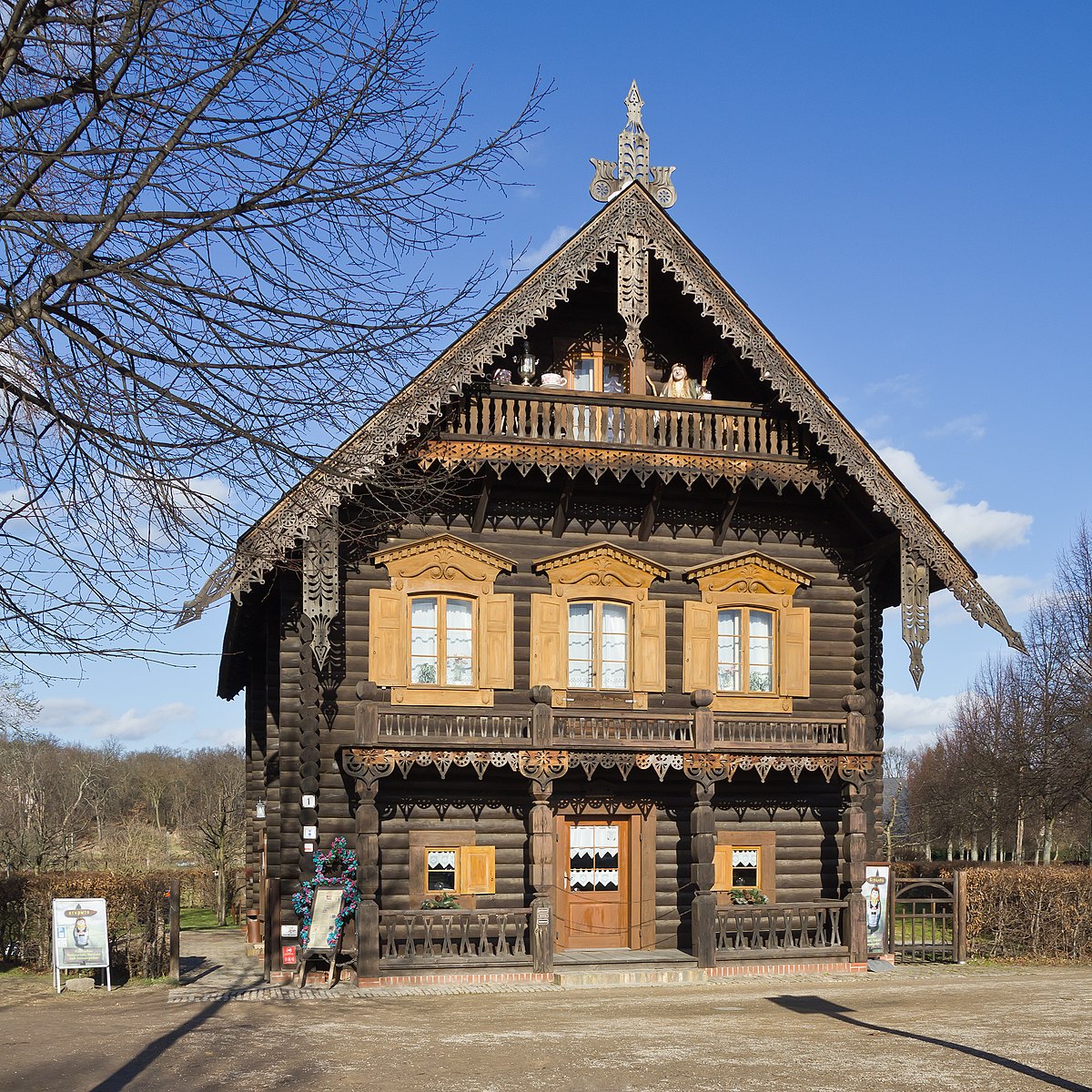
Located in the picturesque city of Potsdam, Germany, Alexandrowka is an intriguing architectural ensemble that reflects a unique blend of Russian and …

Alte Burg Penzlin
📍 Brandenburg, Germany
Alte Burg Penzlin, a captivating castle located in the quaint town of Penzlin, Germany, serves as a remarkable example of medieval architecture and …

Alte Dorfkirche Röxe
📍 Brandenburg, Germany
The Alte Dorfkirche Röxe stands as a poignant symbol of architectural and cultural history in the Stendal region of Germany. This church building, …
More Palaces

Adelspalast
📍 Bavaria, Germany
The Adelspalast, a stunning cultural heritage monument located in the heart of Bamberg, Bavaria, offers visitors an opportunity to explore a …

Aegidienstraße 22
📍 Lower Saxony, Germany
Aegidienstraße 22 is a distinguished palace located in Lübeck’s Old City, a UNESCO World Heritage site known for its well-preserved medieval …

Alexanderpalais (Darmstadt)
📍 Hesse, Germany
The Alexanderpalais in Darmstadt, Germany, is a noteworthy example of architectural elegance and historical significance. This palace, located in the …
Altenburgsches Palais
📍 Lower Saxony, Germany
Altenburgsches Palais, a significant yet non-preserved palace located in the heart of Hanover, Germany, invites visitors to explore its intriguing …

Altenstein Palace
📍 Thuringia, Germany
Altenstein Palace, a striking architectural gem, gracefully ascends a rocky hill on the southwestern slope of the Thuringian Forest in Germany. This …

Älterer Dalberger Hof
📍 Hesse, Germany
The Älterer Dalberger Hof, a distinguished palace located in the heart of Mainz, Germany, offers visitors an intriguing glimpse into the architectural …