
Centre for International Light Art
Overview
The Centre for International Light Art in Unna, Germany, is an innovative art museum dedicated to the captivating medium of light art. This unique institution occupies a former brewery, blending contemporary artistic expression with historical architecture. Known for its immersive installations, the Centre offers visitors a chance to experience the interplay of light, space, and perception in ways that are both enchanting and thought-provoking.
Located in North Rhine-Westphalia, Unna is a town that combines a rich industrial heritage with a vibrant cultural scene. The Centre for International Light Art is significant not only for its focus on a specific artistic genre but also for the way it engages with the community and promotes contemporary art. With exhibitions that attract both local and international artists, the Centre has become an important platform for light art, fostering dialogue and creativity in an increasingly visual world.
Visitors to the Centre can expect a dynamic experience, where art and technology converge to create stunning visual narratives. The museum’s commitment to showcasing both established and emerging artists ensures that every visit is a fresh encounter with the world of light art.
History and Significance
Founded as the first museum of its kind in the world, the Centre for International Light Art is a pioneering institution dedicated to the exploration of light as an artistic medium. Although the exact founding date is not specified, the museum has played a crucial role in championing light art since its inception. The decision to establish a dedicated space for this genre reflects a growing recognition of light art’s significance within the broader art world.
Light art is often characterized by its ability to transform environments and challenge perceptions. The Centre’s mission goes beyond mere exhibition; it aims to provoke thought and inspire creativity through the use of light. By providing a platform for artists to experiment with this medium, the Centre fosters a deeper understanding of how light can influence emotions and experiences.
The museum also hosts a range of events, workshops, and educational programs that engage the public and nurture a new generation of artists. This commitment to community engagement underscores the Centre’s role not just as a gallery, but as a cultural hub where art and society intersect.
In addition to its exhibitions, the Centre collaborates with artists and institutions worldwide, promoting international dialogue and exchange. This global perspective enriches the museum’s programming and enhances its standing in the international art community.
Architecture and Features
The Centre for International Light Art is housed in a former brewery, a structure that reflects the industrial heritage of Unna. This adaptive reuse of the building showcases a successful merging of historical architecture with contemporary artistic practices. The museum’s design allows for flexible exhibition spaces, enabling artists to create immersive installations that utilize the architectural elements of the space.
Inside, visitors will find a variety of exhibits that highlight the versatility of light as a medium. The museum features both permanent and temporary installations, each thoughtfully curated to engage with the unique characteristics of the environment. The interplay of shadows, colors, and reflections creates an atmosphere that invites exploration and contemplation.
Notably, the Centre often incorporates technological advancements into its exhibitions, enhancing the viewer’s experience. The thoughtful arrangement of artworks encourages visitors to engage with each piece from multiple perspectives, fostering a deeper appreciation for the role of light in art.
Visiting Information
When planning a visit to the Centre for International Light Art, several factors can enhance the experience. The museum is accessible by various forms of transport, including public transportation and personal vehicles. Given its central location in Unna, it is well-connected to surrounding towns and cities.
To maximize your visit, check the official website for current information regarding opening hours and ticket prices. The Centre often hosts special exhibitions and events, so be sure to review any seasonal programming that may be taking place during your visit.
Visitors typically spend around two hours exploring the exhibitions, although art enthusiasts may wish to linger longer to fully absorb the immersive installations. Weekdays tend to be less crowded, making them an ideal time for those who prefer a quieter experience.
For those interested in combining their museum visit with other activities, Unna offers a variety of local dining options and shops nearby.
Nearby Attractions
The Centre for International Light Art is conveniently located near several other attractions that enhance the cultural experience in Unna. Here are a few notable places to consider:
- Unna’s Old Town: A charming area featuring historical buildings, shops, and cafés, perfect for a leisurely stroll after visiting the Centre.
- The Unna Town Museum: This local museum offers insights into the history and culture of Unna, complementing the artistic focus of the Centre.
- Kunstverein Unna: An institution dedicated to contemporary art, it frequently hosts exhibitions and events that align with the Centre’s mission.
- The Möhnesee Reservoir: A short drive away, this scenic spot is ideal for outdoor activities, providing a refreshing contrast to the urban art scene.
- The German Football Museum: Located in nearby Dortmund, this museum celebrates the history and impact of football in Germany, appealing to sports enthusiasts.
Insider Tips
To make the most of your visit to the Centre for International Light Art, consider a few insider tips. Photography is generally allowed, but be mindful of specific exhibition restrictions that may apply. Capturing the dynamic interplay of light and shadow can yield stunning images, so take your time to experiment with angles and perspectives.
If you prefer a quieter experience, aim to visit during the week. Mornings often see fewer visitors, allowing you to enjoy the installations without the bustle of larger crowds.
Practical Information
Before heading to the Centre for International Light Art, it’s helpful to prepare adequately. Comfortable walking shoes are recommended, as you may spend considerable time exploring the museum and its exhibitions.
Seasonal considerations can also affect your visit. In the summer months, the Centre may host outdoor events, while winter months may offer unique light installations that take advantage of the shorter days. Always check the official website for any special events or seasonal updates that may enhance your experience.
Frequently Asked Questions
How long should I spend visiting?
Most visitors spend around two hours at the Centre, but art enthusiasts may wish to stay longer to fully appreciate the installations.
Is photography allowed?
Photography is generally permitted, but be aware of any specific restrictions on certain exhibitions.
Are there guided tours?
Check the official website for information on guided tours, which may be available during specific exhibitions or events.
What’s the best time to visit?
Weekdays, especially in the morning, tend to be less crowded, offering a more intimate experience with the art.
Is it wheelchair accessible?
The Centre strives to be accessible, but check the official website for detailed information on facilities.
Can I buy tickets online?
Ticket purchasing options may be available online; visit the official website for the most current details.
Are there restrooms and cafes?
The Centre provides restroom facilities. For dining options, consider exploring nearby cafés and restaurants.
What should I wear?
Dress comfortably and in layers, as museum environments can vary in temperature.
More in Lower Saxony

2000 Jahre Christentum
📍 Lower Saxony, Germany
The “2000 Jahre Christentum,” a prominent statue located in Brunswick, Germany, serves as a significant cultural landmark that reflects the rich …
A. Heucke
📍 Lower Saxony, Germany
A. Heucke, located in the historic town of Gatersleben in Germany’s Seeland region, represents a significant chapter in the story of industrial …

Aalto Theatre
📍 Lower Saxony, Germany
The Aalto Theatre in Essen, Germany, is a prominent cultural landmark that attracts both local and international visitors. Renowned for its …

Aasee
📍 Lower Saxony, Germany
Aasee is a picturesque lake located in the town of Ibbenbüren, Germany, serving as a popular destination for both locals and visitors alike. This …
Abgunst Mine
📍 Lower Saxony, Germany
Abgunst Mine, located in the industrial heart of Essen, Germany, is a significant heritage site that represents the country’s rich mining history. As …

Accumer Mühle
📍 Lower Saxony, Germany
Accumer Mühle is a captivating windmill located in Schortens, Germany, that showcases the remarkable engineering of traditional European mills. This …
More Art Museums

Aachen Cathedral Treasury
📍 North Rhine-Westphalia, Germany
Aachen Cathedral Treasury, located in the historic city of Aachen, Germany, is a remarkable art museum that houses an impressive collection of …

Abteiberg Museum
📍 North Rhine-Westphalia, Germany
In the heart of Mönchengladbach, Germany, the Abteiberg Museum stands out as a prominent destination for art enthusiasts and cultural explorers alike. …

Akademisches Kunstmuseum
📍 North Rhine-Westphalia, Germany
In the heart of Bonn, Germany, lies the Akademisches Kunstmuseum, an art museum that invites visitors to explore a diverse collection of artworks …

Albertinum
📍 Saxony, Germany
Albertinum is a prominent art museum located in the heart of Dresden, Germany, serving as a significant cultural institution in the region. …

Albrecht Dürer's House
📍 Bavaria, Germany
Albrecht Dürer’s House stands as a significant cultural landmark in Nuremberg, Germany, celebrating the life and work of one of the Renaissance’s most …
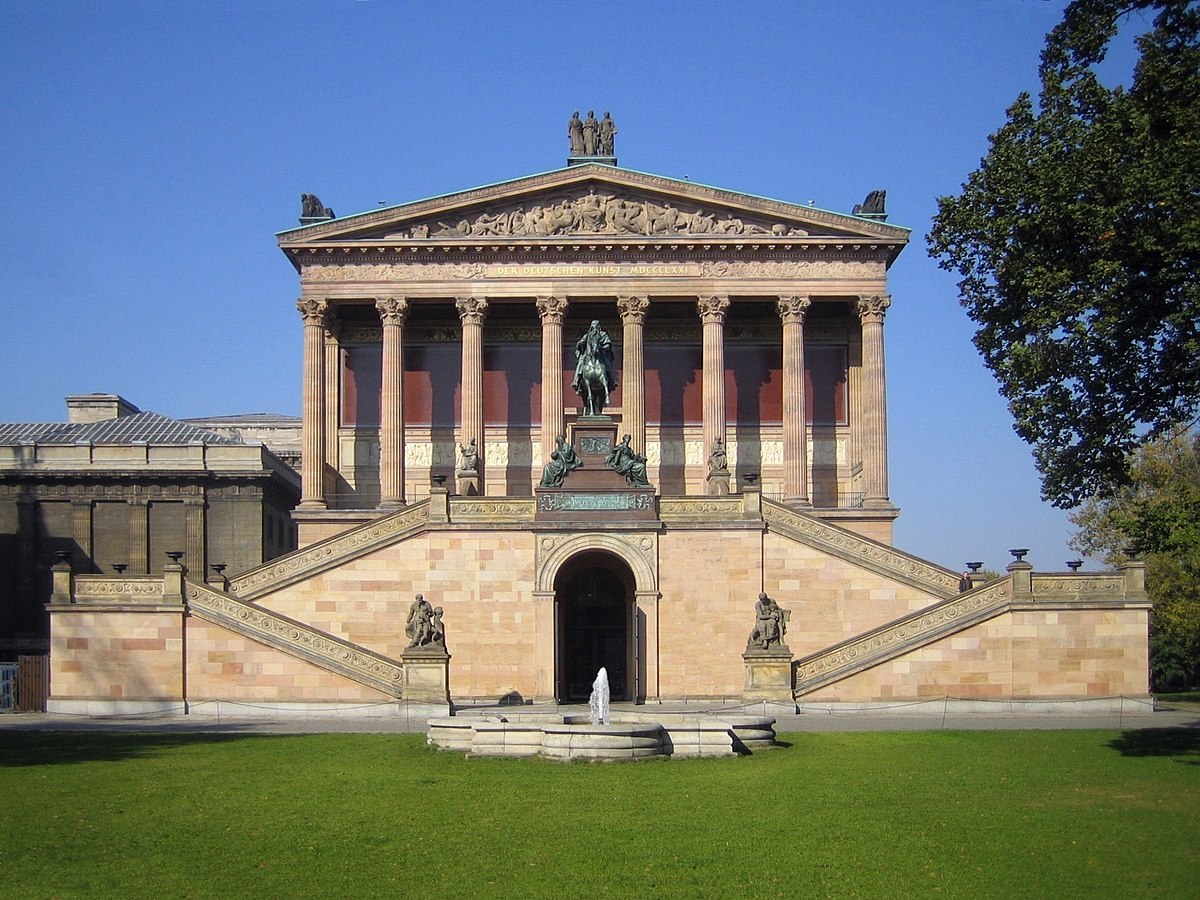
Alte Nationalgalerie
📍 Berlin, Germany
The Alte Nationalgalerie, an esteemed art museum located in Berlin’s Bezirk Mitte, is a cornerstone of cultural appreciation in Germany. This museum …